Kurdish Involvement in the 2026 Iran War
The 2026 Iran war saw a complex intersection of regional geopolitics, with Kurdish factions positioned as potential catalysts for internal regime change. As the conflict erupted, a coalition of Kurdish groups coordinated political and military strategies, claiming presence deep within Iranian territory and along the Iran–Iraq border. This period was marked by a volatile mix of psychological warfare, targeted airstrikes, and disputed reports of ground offensives.
Key Facts
- Kurdish Coalition: Multiple factions, including PDKI, PJAK, PAK, and Komala, coordinated to prepare for a potential Iranian regime collapse.
- International Backing: Reports indicated the CIA and Mossad worked to arm Kurdish volunteers and provide air cover for ground operations.
- Iranian Response: The Iranian army launched preemptive missile and drone strikes against Kurdish bases in the Kurdistan Region of Iraq.
- Strategic Targets: US and Israeli strikes targeted over 40 sites in Sanandaj and various security facilities across western Iran.
- Diplomatic Pressure: Pressure from the Turkish government and internal skepticism within the IDF contributed to the cancellation of a planned large-scale Kurdish offensive.
The Kurdish Coalition and Internal Mobilization
Following the start of the war on February 28, 2026, representatives of the Kurdish coalition announced they were coordinating military decisions to respond to the developing situation. On March 2, the coalition issued its first joint statement, urging Iranian armed forces in Kurdish areas to distance themselves from the Islamic Republic and calling on the public to protect essential service facilities during a predicted popular uprising.
Parallel to these efforts, the PJAK (Party of Free Life of Kurdistan) urged residents of Iranian Kurdistan to establish self-defense and local governance committees to resist government-led displacement. By March 6, senior figures from the PDKI (Democratic Party of Iranian Kurdistan) confirmed that significant forces were already positioned inside Iran, preparing for imminent military action.
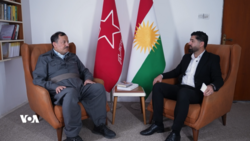
In response, the Iranian government attempted to revive the Muslim Peshmerga, a pro-government militia, which issued threats against the US, Israel, and Kurdish opposition groups while mourning the death of Ali Khamenei.
Strikes on the Kurdistan Region of Iraq
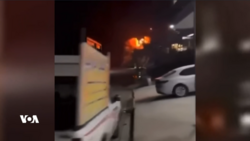
To neutralize the threat, the Iranian army conducted preemptive missile and drone strikes against Kurdish party positions in the Kurdistan Region of Iraq. On March 2, the PAK (Kurdistan Freedom Party) reported that two of its bases in Erbil were hit, resulting in at least one fatality. Iran further warned that all facilities in the region would be targeted if Kurdish militants were permitted to enter Iran.
The Kurdistan Regional Government (KRG) maintained a stance of neutrality, repeatedly calling for de-escalation to avoid being drawn into the conflict. Some analysts, including Wladimir van Wilgenburg, suggested that expanded US air defenses likely mitigated casualties during these Iranian strikes.
Alleged US and Israeli Strategic Involvement
Reports from The Wall Street Journal and other outlets suggested a coordinated strategy by the US and Israel to use Kurdish forces as a ground offensive tool. This strategy, reportedly originated by Israeli Prime Minister Benjamin Netanyahu and the Mossad, involved the CIA arming thousands of Kurdish volunteers.
Between March 3 and March 7, intensified strikes targeted security infrastructure in western Iran, including police stations and IRGC (Islamic Revolutionary Guard Corps) barracks. The human rights organization Hengaw reported that these strikes destroyed 40 sites in Sanandaj and hit numerous other cities, including Kermanshah, Ilam, and Mahabad, forcing IRGC forces to evacuate to civilian hospitals.
President Donald Trump reportedly held discussions with Kurdish leaders Masoud Barzani, Bafel Talabani, and Mustafa Hijri, offering extensive air cover in exchange for the Kurds choosing a side in the conflict. Kurdish groups requested a "no-fly zone," similar to the 1991 Iraqi model, to ensure safe movement.
The Collapse of the Offensive Plan
Despite initial support, the planned offensive eventually stalled. By March 8, President Trump expressed reluctance to see Kurdish fighters killed in a "complicated" conflict. Reports indicate that leaks led Iran to fortify its defenses, and pressure from the Turkish government eventually prompted the US and KRG to halt the offensive. Additionally, the IDF's Military Intelligence Directorate reportedly expressed skepticism regarding the plan's viability.
Disputed Reports of Ground Clashes
The actual extent of Kurdish military activity inside Iran remains a subject of dispute. While some US media outlets and i24NEWS claimed on March 4 that a ground offensive had begun—specifically citing PJAK movements near Marivan—these claims were denied by PJAK, PDKI, PAK, and Komala. Official representatives from the Kurdistan Region of Iraq further stated that no Iraqi Kurds had crossed the border, and the IRGC dismissed the reports as subversive.
Summary of Kurdish Factions and Roles
| Entity | Primary Role/Action | Key Objective |
|---|---|---|
| PDKI | Military positioning and political leadership | Regime change and Kurdish autonomy |
| PJAK | Mobilizing local self-defense committees | Resisting displacement and government control |
| PAK | Maintaining bases in Iraq (targeted by Iran) | Opposition to the Iranian government |
| Komala | Coordination within the Kurdish coalition | Preparation for popular uprising |
| KRG | Diplomatic neutrality and de-escalation | Avoiding direct involvement in the war |
Frequently Asked Questions
Did a full-scale Kurdish ground offensive occur in 2026?
No. While there were reports of a ground offensive beginning around March 4, the major Kurdish factions (PJAK, PDKI, PAK, and Komala) denied these claims, and the planned US-backed offensive was ultimately cancelled.
What role did the US and Israel play in arming the Kurds?
Reports indicate that the Mossad and CIA worked to smuggle weapons into western Iran and provide air cover to spark an uprising, though these efforts were later halted due to diplomatic pressure and security leaks.
How did Iran respond to the Kurdish coalition's threats?
Iran launched preemptive missile and drone strikes against Kurdish bases in the Kurdistan Region of Iraq and attempted to revive the Muslim Peshmerga militia to counter the opposition.
Which cities in Iranian Kurdistan were most affected by airstrikes?
Sanandaj saw the most significant impact with 40 sites destroyed. Other targeted cities included Kermanshah, Ilam, Mehran, Paveh, Kerend-e Gharb, Bukan, Mahabad, Oshnavieh, Saqqez, Sarpol-e Zahab, Miandoab, and Baneh.
Why was the planned Kurdish offensive eventually stopped?
The offensive was halted due to a combination of leaks that allowed Iran to fortify defenses, skepticism from the IDF, and diplomatic pressure from the Turkish government on the US and the KRG.