Kraków Grosz: The Silver Currency of 14th Century Poland
In the landscape of medieval European commerce, the Kraków grosz (Latin: grossus cracoviensis) stands as a significant symbol of Poland's economic development. Minted in the city of Kraków during the 14th century, these silver coins played a vital role in the monetary system of the era.
Origins and Influence
The introduction of the Kraków grosz was not an isolated event but part of a broader trend in European coinage. It was introduced in 1367 during the reign of King Casimir III of Poland. The design and concept were heavily influenced by the Bohemian Prague groschen, which had been in circulation since 1300, as well as other large silver groschen-type coins issued throughout the Holy Roman Empire.
Design and Inscriptions
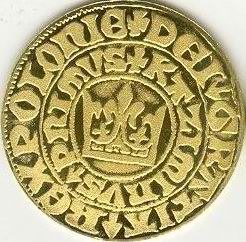
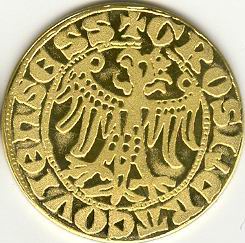
The coin featured distinct Latin legends on both its obverse (front) and reverse (back) sides, identifying the issuing authority and the nature of the currency.
The obverse side featured the text: KAZIMIRVS PRIMUS DEI GRATIA REX POLONIE, which translates to "Casimir I, by the Grace of God, King of Poland."
The reverse side bore the inscription: GROSI CRACOVIENSESS (sic!), identifying the coin as a grosz of Kraków.
Key Facts
- Mint Location: Kraków, Poland.
- Introduction Date: 1367.
- Issuing Monarch: King Casimir III.
- Material: Silver.
- Predecessor Influence: Bohemian Prague groschen and Holy Roman Empire silver coins.
Summary of the Kraków Grosz
| Feature | Detail |
|---|---|
| Latin Name | Grossus cracoviensis |
| German Name | Krakauer Groschen |
| Century | 14th Century |
| Obverse Legend | KAZIMIRVS PRIMUS DEI GRATIA REX POLONIE |
| Reverse Legend | GROSI CRACOVIENSESS |
Frequently Asked Questions
When was the Kraków grosz first minted?
The coin was introduced in 1367 during the reign of King Casimir III.
What material was used to make these coins?
The Kraków grosz was a silver coin.
Which other coins influenced the design of the Kraków grosz?
It followed the example of the Bohemian Prague groschen (used since 1300) and other large silver groschen-type coins from the Holy Roman Empire.
What does the Latin text on the obverse side mean?
The text "KAZIMIRVS PRIMUS DEI GRATIA REX POLONIE" means "Casimir I, by the Grace of God, King of Poland."
Where was the coin produced?
These coins were minted in the city of Kraków.