The Global Phenomenon of Korean Dramas: From Domestic Roots to Worldwide Success
Korean dramas, often referred to as K-dramas or Koreanovelas, have transformed from local television programming into a massive global cultural movement. These Korean-language shows, produced in South Korea, have captured the hearts of millions of viewers across every continent, becoming a cornerstone of the international "Korean Wave."
What began as modest productions for domestic audiences has evolved into a high-budget, high-impact industry that influences fashion, tourism, and global media trends. Today, K-dramas are not just entertainment; they are a significant economic driver for South Korea.

Key Facts
- Global Reach: K-dramas are a primary component of the "Korean Wave," achieving massive popularity in Asia and beyond.
- Economic Impact: In 2022, South Korean television content exports reached US$561 million, a 30% increase from the previous year.
- Streaming Revolution: Netflix has become a major player, investing US$2.5 billion in the industry as of April 2023.
- Record-Breaking Hits: The 2021 series Squid Game was watched by over 142 million households in its first four weeks.
- Cultural Influence: K-dramas serve as a major motivation for international tourists to visit South Korea.
The Evolution of K-Dramas
Early Beginnings and the Rise of Television
The production of Korean dramas traces back to the early 1960s. During the 1970s, as television ownership increased in South Korean households, programming began to take a firmer hold in daily life. However, these early productions were often made on low budgets and were primarily consumed within South Korea.
The industry saw a significant leap forward in the 1980s following the widespread adoption of color television. This technological shift allowed for more visually engaging storytelling and more sophisticated production values.
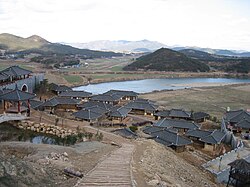
The Korean Wave and International Expansion
In the early 1990s, the landscape changed as Korean dramas began to find significant success in international markets, particularly in China and Japan. This era marked the beginning of the Korean Wave, a phenomenon where South Korean media—including K-pop (popular music) and films—gained rapid global adoption.

As the decades progressed, the viewership spread from Asia to Europe, the Middle East, North Africa, and the Americas. The success of individual stars and specific series helped cement the cultural footprint of South Korea worldwide.

The Digital Era and Streaming Giants
The 2010s brought a new era of accessibility through the rise of online streaming. Platforms like DramaFever provided on-demand access to K-dramas for international fans, bridging the gap between Korean production and global consumption.

The entry of major global players like Netflix accelerated this growth. Netflix not only began distributing existing Korean content but also started funding and creating original series. This partnership has led to unprecedented viewership numbers, with Netflix reporting in 2022 that 60% of its 221 million subscribers had watched a Korean program within the last year.

Economic and Cultural Impact
The success of K-dramas has moved beyond the screen to impact the South Korean economy. In 2022, the sale of Korean television content abroad reached US$561 million. This 30% year-on-year increase saw television content surpass major South Korean exports, such as electric vehicles and secondary batteries.
Beyond direct exports, the industry supports tens of thousands of jobs and acts as a powerful tool for "soft power," driving tourism as fans seek to visit the filming locations seen in their favorite shows.

The Role of Music and Stars
Music plays a vital role in the K-drama experience through Original Soundtracks (OSTs). Certain artists have become synonymous with the genre; for example, singer Baek Ji-young has earned the title "OST Queen" due to her contributions to hit dramas like Secret Garden and Love in the Moonlight.

The actors themselves become global icons. From wax figures at Madame Tussauds to massive fan meetings, the stardom of K-drama actors transcends borders.


Historical and Modern Ratings
The popularity of K-dramas can be measured through domestic viewership ratings. Historically, terrestrial (traditional broadcast) networks held the highest ratings, with shows like You and I reaching staggering levels of household viewership. In the modern era, cable television has seen a massive surge in popularity, with shows like The World of the Married and Queen of Tears leading the charts.
| Series Title | Network Type | Highest Rating/Viewers | Category |
|---|---|---|---|
| You and I | Terrestrial (MBC) | 66.9% (Rating) | Historical High |
| The World of the Married | Cable (JTBC) | 28.371% (Rating) | Cable High |
| My Only One | Terrestrial (KBS2) | 9.246 Million (Viewers) | Modern High |
| Sky Castle | Cable (JTBC) | 6.508 Million (Viewers) | Modern High |


Frequently Asked Questions
What is the difference between a K-drama and a Koreanovela?
K-drama (Korean drama) and Koreanovela are simply different terms used to describe Korean-language television shows produced in South Korea.
How did K-dramas become popular globally?
The popularity grew through the "Korean Wave," starting with success in China and Japan in the 1990s, and later expanding globally through online streaming services like Netflix.
What is an OST in a Korean drama?
An OST, or Original Soundtrack, refers to the music specifically created or selected to accompany a drama, often performed by famous singers to enhance the emotional impact of the scenes.
Are K-dramas only about romance?
While romance is a very popular genre, K-dramas cover a wide variety of storylines, including historical dramas, thrillers, and social commentaries.
Why is the Korean Wave important to South Korea?
The Korean Wave is a significant economic driver, increasing the export of media content and boosting other sectors like tourism and consumer goods.