Komotini History: From Roman Fortress to Modern Hub
Komotini stands as a testament to the strategic importance of Western Thrace, serving for centuries as a vital crossroads between East and West. From its origins as a Roman military outpost to its development into a prosperous Ottoman center and its eventual integration into the modern Greek state, the city's evolution reflects the broader geopolitical shifts of the Balkan Peninsula.
Key Facts
- Origins: Settlement dates back to the 2nd century AD, linked to the Roman Via Egnatia.
- Byzantine Roots: Re-established in 1207 by refugees from the destroyed city of Mosynopolis.
- Ottoman Era: Known as Gümülcine; became a major administrative and trade hub.
- Architectural Gem: Home to the Yeni Mosque, the only structure in Greece featuring 1580s Iznik tiles.
- Modern Transition: Incorporated into Greece in 1919 via the Treaty of Neuilly.
Antiquity and the Roman Influence
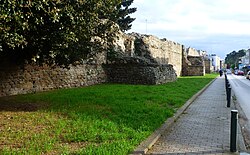
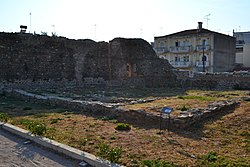
Archaeological evidence confirms that Komotini has been inhabited since the 2nd century AD, with finds extending through the 4th century. A significant discovery—an inscription reading "Theodosiou Ktisma" (Building of Theodosius)—was found on the ruins of a 4th-century Byzantine wall, identifying the site as a construction of Emperor Theodosius I.
During the Roman era, the settlement served as a fortress along the Via Egnatia, the primary highway connecting Dyrrhachium with Constantinople. It is likely identified as the Roman station Breierophara. While the neighboring city of Maximianopolis (later Mosynopolis) was the dominant urban center of the period, Komotini functioned as a critical hub on the northern route through the Nymphaea Pass, leading toward the Ardas Valley and modern-day Plovdiv and Stara Zagora.
The Byzantine Era and Rebirth
The city's early Byzantine history was defined by its role as a junction for routes crossing the Rhodope Mountains. Initially part of the Theme of Macedonia and later the theme of Boleron, the settlement was eventually overshadowed by Mosynopolis and abandoned by the end of the 12th century.
The modern trajectory of the city began in 1207. After the Bulgarian tsar Kaloyan destroyed Mosynopolis, the surviving population sought refuge within the walls of the abandoned fortress. The settlement grew steadily, appearing in historical records as Koumoutzina in 1331 and by its current name in 1341. The city remained a site of strategic military importance during the Byzantine civil wars of the 14th century, serving as a stronghold for John VI Kantakouzenos.
The Ottoman Period: Gümülcine
Between 1361 and 1363, the city was conquered by the Ottoman Empire, likely under the leadership of Gazi Evrenos Bey. Renamed Gümülcine, the city flourished as a connection point between Constantinople and the European territories of the Empire.
Gazi Evrenos Bey transformed the city into a center of Islamic life by establishing a waqf (charitable endowment), which included a small mosque, an imaret (public kitchen), a bath, and various shops. By the 16th century, the city was a multicultural hub. A 1519 census recorded approximately 2,500 residents, comprising Muslim, Christian, and Jewish households.
Architectural and Economic Growth
The 17th century brought further development through the sponsorship of Ekmekcizade Ahmed Pasha, who built the Yeni Mosque. This structure is historically unique in Greece for its use of Iznik tiles from the 1580s. By the 19th century, Komotini experienced a financial boom driven by the trade and processing of tobacco.
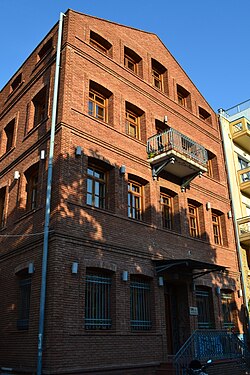
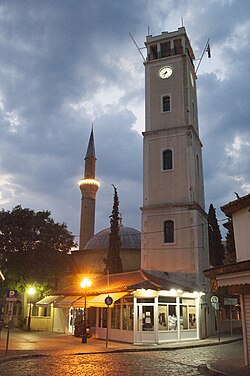
During the reign of Sultan Abdulhamid II, the city's infrastructure modernized with the addition of a clock tower, a madrasah, and its integration into the railway line linking Constantinople and Salonica.
Balkan Wars and the 20th Century
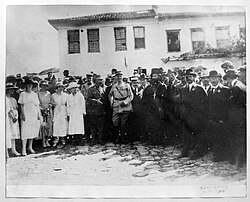
The early 20th century was marked by rapid territorial changes. During the First Balkan War, Bulgarian forces seized the city, but it was surrendered to the Greek army on July 14, 1913, during the Second Balkan War. After a brief period as the capital of the Provisional Government of Western Thrace, the Treaty of Bucharest returned the city to Bulgaria.
Following World War I, the Treaty of Neuilly (1919) officially handed Komotini and Western Thrace to Greece. Although the town fell under Bulgarian control again during World War II as part of the Belomorie district, it ultimately remained a key city within the Greek state.
Summary of Komotini's Historical Evolution
| Period | Key Status/Name | Significant Event/Feature |
|---|---|---|
| Roman (2nd-4th C.) | Breierophara | Fortress on the Via Egnatia highway. |
| Byzantine (1207+) | Koumoutzina | Re-settled by refugees from Mosynopolis. |
| Ottoman (1361-1912) | Gümülcine | Growth as a trade hub; construction of Yeni Mosque. |
| Early 20th Century | Gyumyurdžina / Komotini | Transitions between Bulgarian and Greek control. |
| Post-1919 | Komotini | Incorporation into Greece via Treaty of Neuilly. |
Frequently Asked Questions
What is the significance of the Via Egnatia to Komotini?
The Via Egnatia was the primary Roman road connecting Dyrrhachium to Constantinople. Komotini served as a strategic fortress and hub on this route, specifically on the northern path leading toward the Rhodope Mountains and the Ardas Valley.
Why is the Yeni Mosque architecturally important?
The Yeni Mosque is the only building in Greece that features Iznik tiles from the 1580s, which represents the peak of the art of Iznik potters.
How did the city recover after being abandoned in the 12th century?
The city was revitalized in 1207 when the population of Mosynopolis, which had been destroyed by the Bulgarian tsar Kaloyan, fled to the safety of Komotini's existing fortress walls.
What drove the city's economic growth in the 19th century?
The processing and trade of tobacco provided significant financial progress, leading to an expansion of the city and the construction of new architectural works.
When did Komotini officially become part of Greece?
While it was captured by Greek forces in 1913, it was officially handed to Greece along with the rest of Western Thrace in 1919 under the terms of the Treaty of Neuilly.