Kimbanguist Church: Beliefs, Practices, and Theological Structure
The Kimbanguist Church represents a unique spiritual movement with a distinct set of ethical standards and theological interpretations. Rooted in a commitment to moral purity and organized worship, the church blends Baptist-style services with a specific belief system centered on the figure of Simon Kimbangu and his descendants.
Key Facts
- Core Ethics: Rejects violence, polygamy, magic, witchcraft, alcohol, tobacco, and dancing.
- Worship Style: Baptist in form, characterized by large, well-organized services.
- Sacred Geography: Believes Nkamba is the New Jerusalem described in the Bible.
- Theological Status: Discontinued from the World Council of Churches (WCC) in 2021 due to theological differences.
- Key Dates: April 6, May 25, and October 12.
Ethical Standards and Worship
The church adheres to Puritan ethics, a strict moral code that emphasizes discipline and the avoidance of perceived vices. Members eschew politics and strictly reject the use of violence, polygamy, magic, witchcraft, alcohol, tobacco, and dancing. This commitment to a clean, disciplined lifestyle is central to the Kimbanguist identity.
While the church is largely non-sacramental—meaning it does not rely heavily on ritual sacraments—it adopted the Eucharist in 1971. Worship services are modeled after Baptist traditions and are noted for being highly organized and attended by large congregations.
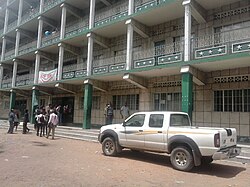
The Kimbanguist Calendar
The spiritual life of the church is marked by three significant annual dates that commemorate pivotal moments in its history and leadership:
- April 6: Marks the beginning of the ministry of healing.
- May 25: Celebrated as Christmas, coinciding with the birthday of Father Dialungana.
- October 12: The anniversary of Simon Kimbangu's death.
Theology and the Trinity
The church's theology centers on the belief that Simon Kimbangu is the Holy Spirit, citing John 14:15–17. Despite this specific interpretation, Kimbanguists continue to begin and end their prayers using the Trinitarian formula (the Father, Son, and Holy Spirit), similar to many other Christian groups.
The Kimbanguist Interpretation of the Trinity
The church identifies a specific lineage as the manifestation of the Trinity:
- Father Kisolokele: The first son of Kimbangu, regarded as God the Father.
- Father Salomon Diangani Dialungana: The second son of Kimbangu, regarded as the reincarnated Jesus.
- Father Diangienda Kuntima: The last son of Kimbangu, seen as the reincarnation of Kimbangu and the second human form of the Holy Spirit.
- Father Simon Kimbangu Kiangani: The grandson of Kimbangu and the current spiritual leader since 2001, regarded as the third human form of the Holy Spirit.
International Controversy
The doctrinal status assigned to Simon Kimbangu has sparked international theological debate. Critics argue that these beliefs contradict the traditional doctrine of the Trinity, leading to accusations of heresy. Consequently, the Central Committee of the World Council of Churches (WCC) discontinued the church's membership in 2021 on theological grounds.
Summary of Kimbanguist Doctrine
| Category | Detail |
|---|---|
| Spiritual Center | Nkamba (The New Jerusalem) |
| Prohibited Acts | Violence, polygamy, magic, alcohol, tobacco, dancing |
| Worship Form | Baptist-style, large organized services |
| Current Leader | Father Simon Kimbangu Kiangani |
| WCC Status | Membership discontinued (2021) |
Frequently Asked Questions
What are the primary prohibitions in the Kimbanguist Church?
The church rejects the use of violence, polygamy, magic, witchcraft, alcohol, tobacco, and dancing, while also eschewing involvement in politics.
Who is the current spiritual leader of the church?
Father Simon Kimbangu Kiangani, the grandson of Simon Kimbangu, has served as the spiritual leader since 2001.
Why was the church removed from the World Council of Churches?
The church's membership was discontinued in 2021 by the WCC Central Committee due to theological grounds, specifically regarding the doctrinal status of Simon Kimbangu which was viewed as contrary to the doctrine of the Trinity.
What is the significance of Nkamba?
The church believes that Nkamba is the New Jerusalem mentioned in the Bible.
Which dates are most important in the Kimbanguist calendar?
The three key dates are April 6 (start of the healing ministry), May 25 (Christmas and Father Dialungana's birthday), and October 12 (Kimbangu's death anniversary).