Juneau: Alaska's Coastal Capital and Historic Gateway
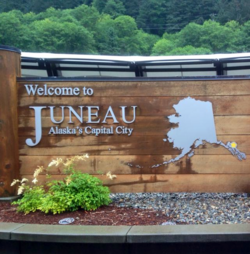
Nestled along the rugged coastline of Southeast Alaska, Juneau—known in the Tlingit language as Dzántik'i Héeni—serves as the vibrant state capital and a vital hub of Alaskan culture and governance. As a consolidated city-borough, Juneau blends a rich indigenous heritage with a storied history of mining and maritime commerce, all set against a breathtaking backdrop of mountains and rainforests.
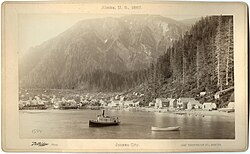
Key Facts
- Status: Alaska State Capital
- Founders: Richard Harris and Joe Juneau
- Tlingit Name: Dzántik'i Héeni
- Total Area: 3,254.70 sq mi (including water)
- Population: Approximately 31,609 (2025 estimate)
- Economy: $2.4 billion GDP (2022)
A Rich Tapestry of History and Culture
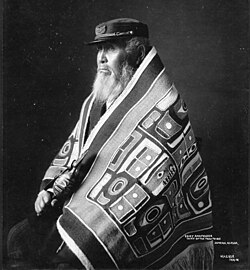
The history of Juneau is deeply intertwined with the Tlingit people, the indigenous inhabitants of the region. The city's modern era began in the late 19th century when Richard Harris and Joe Juneau founded the settlement during the mining boom. The city was officially named after Joe Juneau in 1882.
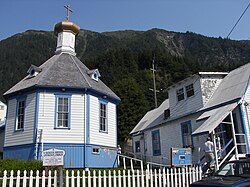
As mining developments progressed, the community grew, leading to the establishment of diverse cultural landmarks. One such site is the St. Nicholas Russian Orthodox Church, a significant structure built in 1894 through the collaborative efforts of Tlingit and Serbian residents.
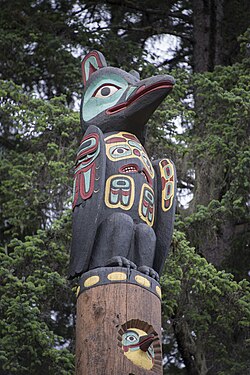
Cultural expression remains a cornerstone of the community, visible in local art and traditional symbols like the Yaxté totem pole, which stands as a testament to the enduring Tlingit legacy.
Geography and Natural Surroundings
Juneau is characterized by its dramatic landscape, situated within the vast Tongass National Forest. The city is surrounded by significant protected areas, including parts of the Admiralty Island National Monument, Kootznoowoo Wilderness, and the Tracy Arm-Fords Terror Wilderness. This proximity to wilderness makes the area a premier destination for outdoor enthusiasts.
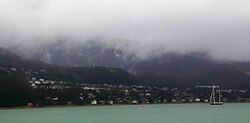
The geography is split between the mainland and Douglas Island, which are connected by the Juneau-Douglas Bridge. The urban area is relatively compact, covering approximately 14 square miles, while the vast majority of the borough consists of land and water.
Climate and Environment
Visitors to Juneau should prepare for a maritime climate. The region experiences significant precipitation throughout the year, with autumn months typically seeing the highest rainfall. While summers offer milder temperatures, winters can be cold, with occasional snowfall.
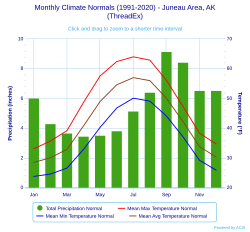
| Metric | Value |
|---|---|
| Average Annual Precipitation | 66.99 inches |
| Average Annual Snowfall | 87.6 inches |
| Mean Annual Daily Maximum | 48.3 °F |
| Mean Annual Daily Minimum | 35.9 °F |
| Average Sea Temperature | 45.1 °F |
Modern Juneau: Governance and Tourism
As the seat of the Alaska State Government, Juneau houses the Alaska State Capitol and the Governor's Mansion. The city's administration is managed by a Mayor and an Assembly, overseeing a consolidated city-borough structure.
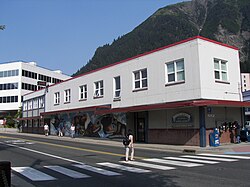
Tourism plays a massive role in the local economy, particularly through cruise ship arrivals. The downtown area is a bustling center where tourists explore local shops, historic sites, and scenic views of Mount Juneau.
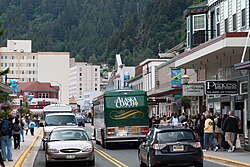
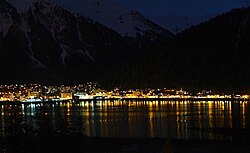
The city's infrastructure supports both residents and visitors, with the Juneau International Airport providing air access and the Alaska Marine Highway offering ferry services to other coastal communities.
![Fourth Street in downtown, looking east from the front of the Alaska State Capitol; the city's tallest building, Mendenhall Towers (12 stories tall),[63] is partially visible in the background.](/images/ae/c7/aec7c8449c1923f583cf900bd53134310b95719d674a122f2ef7f8c7f6b0269b.jpg)
Frequently Asked Questions
What is the Tlingit name for Juneau?
The Tlingit name for Juneau is Dzántik'i Héeni.
Is Juneau accessible by road?
Juneau is primarily accessed via air or sea (ferry), as it is not connected to the main road system of the United States.
What is the main economic driver in Juneau?
Juneau's economy is supported by its role as the state capital, tourism, and its historical connection to mining.
What is the climate like in Juneau?
Juneau has a maritime climate with significant precipitation, especially in the fall, and relatively mild temperatures compared to more inland Alaskan regions.
How many people live in Juneau?
As of the 2020 Census, the population was 32,255, with 2025 estimates placing it at approximately 31,609.