Journalism Awards: Celebrating Excellence in Reporting and Photography
High-quality journalism serves as the bedrock of an informed society, uncovering hidden truths and documenting history as it unfolds. From the grit of undercover investigations to the precision of spot news photography, the pursuit of journalistic excellence is often recognized through prestigious awards. These accolades highlight the courage of reporters who venture into war zones and the diligence of those who scrutinize government waste.
Key Facts
- Public Service: Awards were granted for exposing occupational hazards like byssinosis (a lung disease caused by cotton dust) and systemic failures in emergency healthcare.
- Investigative Depth: Recognized works include undercover stings on insurance fraud and exposures of drug trafficking in Key West.
- Global Reach: Reporting spanned the Salvadoran and Guatemalan Civil Wars, the Afghanistan rebellion, and drug activity in Colombia.
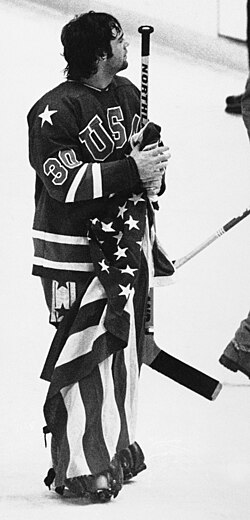
- Visual Storytelling: Photography awards captured pivotal moments, from the eruption of Mount St. Helens to the 1980 Winter Olympics.
- Integrity: The importance of accuracy was underscored when a Feature Writing prize was returned following the discovery of a fabricated story.
Public Service and Local Reporting
Journalism at its most impactful often focuses on public service, addressing issues that directly affect the health and safety of citizens. Notable achievements include The Charlotte Observer's series on byssinosis—a chronic lung condition caused by inhaling cotton dust—among North Carolina textile workers. Similarly, the Independent & Press-Telegram highlighted preventable deaths resulting from inadequate emergency room care in Los Angeles County, while The Tennessean documented the national resurgence of the Ku Klux Klan.
Local General and Spot News
Spot news reporting captures immediate, often chaotic events. The staff of The Daily News in Longview, Washington, received recognition for their coverage of the Mount St. Helens eruption, supported by the photography of Roger A. Werth. Other significant local reports included The Miami Herald's coverage of the 1980 Miami riots and the Baltimore News American's account of "The Snowball Tragedy," involving an elderly man accused of killing a teenager.
Specialized and National Investigations
Investigative reporting requires deep research and often undercover work to expose corruption. In Arizona, Clark Hallas and Robert B. Lowe investigated the misuse of funds by University of Arizona football coach Tony Mason. In Chicago, a team from the Chicago Sun-Times exposed "The Accident Swindlers," a network of doctors and lawyers defrauding insurance companies. Meanwhile, The Miami Herald revealed drug trafficking and official corruption in Key West through the series "Smugglers' Island."
National and International Scope
On a national level, reporting focused on systemic failures and human rights. John M. Crewdson of The New York Times produced over 40 articles on immigration, covering migrant smuggling and official corruption. Other critical works included "Energy Anarchy" by The Philadelphia Inquirer, which critiqued the government's energy crisis management, and "The Crippled Giant" by the New York Daily News, which exposed U.S. military unreadiness.
International reporting extended the lens to global conflicts. Shirley Christian reported on the civil wars in El Salvador and Guatemala, Randall Richard covered Colombian drug activity, and Richard Ben Cramer documented the rebellion in Afghanistan.
Feature Writing, Commentary, and Criticism
Beyond hard news, feature writing allows for deeper narrative exploration. Teresa Carpenter was recognized for several poignant pieces in The Village Voice. Notably, a prize originally awarded to Janet Cooke of The Washington Post for "Jimmy's World" was returned after the story about a young heroin addict was found to be a fabrication.
The awards also recognized the art of commentary and criticism. Dave Anderson (sports), Howard Rosenberg (television), and Richard M. Cohen were honored for their insights. In the realm of criticism, Jonathan Yardley, Allan Temko, and Henry Kisor were recognized for their expertise in books and architecture.
Visual Journalism and Photography
Photography provides the visual evidence that gives news its emotional weight. Spot news photography awards were given to Larry C. Price for documenting the 1980 Liberian coup d'état and Roger A. Werth for his images of Mount St. Helens.
One of the most iconic images recognized was captured by David Tenenbaum of the Associated Press, depicting goalie Jim Craig with an American flag following the 1980 Winter Olympics gold medal win.
Feature photography focused on social conditions, such as Taro M. Yamasaki's work at Jackson State Prison, Michael C. Hayman's portraits of automobile workers, and Paul Beaver's documentation of the Mississippi Delta.
Summary of Award Categories
| Category | Key Focus Areas | Notable Examples |
|---|---|---|
| Public Service | Health, Safety, Civil Rights | Byssinosis in textile workers; ER care failures |
| Investigative | Corruption, Fraud, Crime | Insurance swindlers; Key West drug trafficking |
| National/International | Policy, War, Immigration | Afghanistan rebellion; U.S. military preparedness |
| Photography | Breaking News, Social Issues | Mount St. Helens; 1980 Winter Olympics |
| Writing/Commentary | Features, Criticism, Editorials | Book reviews; Television commentary |
Frequently Asked Questions
What is byssinosis and why was it reported?
Byssinosis is a lung disease caused by the inhalation of cotton dust. It was the subject of a public service series by The Charlotte Observer to expose deadly neglect among North Carolina's textile workers.
Why was a Feature Writing award returned?
The award was returned because the story "Jimmy's World," written by Janet Cooke of The Washington Post, was discovered to be a fabrication rather than a factual report.
Which photographers were recognized for spot news?
Recognized photographers include Larry C. Price (Liberian coup), David Tenenbaum (1980 Winter Olympics), and Roger A. Werth (Mount St. Helens eruption).
What were the primary focuses of the national reporting awards?
National reporting focused on immigration and migrant mistreatment, government waste in federal contracting, the energy crisis, and the lack of U.S. military preparedness for war.
Who were the recognized editorial cartoonists?
The recognized editorial cartoonists were Mike Peters of the Dayton Daily News, Jules Feiffer of The Village Voice, and Paul Szep of The Boston Globe.