Joropo: The Vibrant Music and Dance of the Colombian and Venezuelan Plains
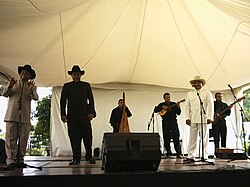
Joropo, also known as Música Llanera, is a spirited musical style and accompanying dance that serves as a cornerstone of cultural identity in the Llanos (plains) region of Colombia and Venezuela. Emerging roughly 300 years ago, this art form is a rich tapestry of transculturation, blending European Spanish folklore and Andalusian melodies—brought by Jesuit missionaries—with African rhythmic influences and Native South American sensibilities.
Originally, the word "joropo" referred to a festive social gathering or party. Over time, it evolved from a rural domestic celebration into a highly technical performance art. In 1882, it was officially designated as the national dance and music of Venezuela, and more recently, it has gained international recognition for its historical and artistic value.
Key Facts
- Origins: Developed in the 18th century in the Llanos region of Colombia and Venezuela.
- Global Recognition: Inscribed by UNESCO on the Representative List of the Intangible Cultural Heritage of Humanity in 2025.
- National Status: Venezuela's national dance since 1882; declared Cultural Heritage of the Nation in Colombia in 2025.
- Core Instruments: The harp (arpa), cuatro (a small four-stringed guitar), and maracas.
- Defining Songs: "Alma Llanera" (Venezuela's unofficial national anthem) and "Ay Mi Llanura" (highly representative of Colombia).
The Musical Structure and Instruments
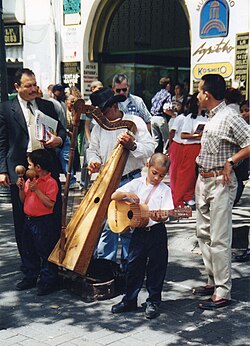
Joropo is characterized by complex polyrhythmic patterns, specifically the use of hemiola (the simultaneous use of two different meters, typically 3/4 and 6/8) and the alternation of 4 and 8 meters. The music is typically led by a melodic instrument—most often the arpa llanera (plains harp) or the bandola—while the cuatro provides a sharp, percussive rhythmic accompaniment.
While the traditional ensemble is small, modern evolutions have seen the inclusion of guitars, flutes, clarinets, pianos, and even full symphony orchestras.
| Instrument | Description/Role | Common Variants |
|---|---|---|
| Harp (Arpa) | Lead melodic instrument; nylon strings (Llanera) or metal strings (Tuyera). | Llanero, Tuyero |
| Cuatro | Small four-stringed guitar providing rhythmic accompaniment. | All variants |
| Maracas | The primary percussion instrument. | All variants |
| Mandolin | Lead melodic instrument in Eastern and Guayanese styles. | Oriental, Guayanés |
| Bandola | Stringed instrument often replacing the harp in some regions. | Llanero, Colombian |
Regional Variants in Venezuela
Joropo Tuyero (Central)
Practiced in the Valles del Tuy, this style uses the arpa tuyera with metal strings for a unique sound. It is often performed by just two people: a harpist and a singer-maraquero. The Revuelta tuyera is a complex form consisting of four sections: the exhibition (passage), development (yaguazo and guabina), an instrumental coda (Marisela), and the "monkey call" ending.
Joropo Oriental (Eastern)
Found in Sucre, Nueva Esparta, and parts of Anzoátegui and Monagas, this variant prioritizes the mandolin, violin, harmonica, and a small accordion called the cuereta. It often features a "refrain" structure with a fixed melody followed by an improvised chorus.
Joropo Guayanés
A product of interaction between llaneros and the Bolivar state, this style utilizes the Guayanese mandolin with eight metal strings. Notable forms include the Seis Guayanés and the Josa.
Joropo Larense (Golpe Tocuyano)
Hailing from Lara, Portuguesa, and Yaracuy, this version uses a variety of stringed instruments and the tambora (drum), typically danced by six couples.
Joropo Llanero
The most widespread form, it is divided into two main genres: the Passage (sedate, usually with a known author, approx. 152 bpm) and the Golpe (faster, 176–192 bpm, often anonymous). The Golpe serves as the basis for contrapunteos—improvised vocal duels between opponents.
Joropo in Colombia
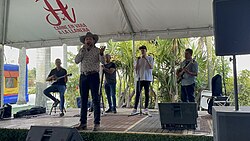
In Colombia, Joropo is the representative genre of the Orinoquía region, specifically in Meta, Casanare, Arauca, and Vichada. It is a pillar of national identity, symbolizing the "Llanero" spirit through lyrics that chronicle cattle ranching and the vast natural landscape.
The Colombian government recognized its importance by declaring it Cultural Heritage of the Nation in 2025 and designating May 24 as National Joropo Day. The song "Ay Mi Llanura" by Arnulfo Briceño stands as the most representative piece of the Colombian tradition.
The Art of the Dance
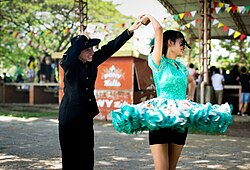
The Joropo dance is a symbolic display of gallantry and ruggedness. It typically follows a three-part progression: partners begin with a tight waltz, move into small forward-and-backward steps that mimic sweeping the floor, and conclude with the man performing the zapateo (vigorous foot-stomping) while the woman performs the escobillao (sweeping foot movements).
Frequently Asked Questions
What is the difference between a Passage and a Golpe in Joropo Llanero?
A Passage is a slower, more melodic song (around 152 bpm) usually written by a known author. A Golpe is faster (176–192 bpm), follows fixed harmonic patterns, and is often used for improvised vocal competitions called contrapunteos.
Which instruments are essential for a traditional Joropo ensemble?
The core ensemble consists of the harp (or bandola), the cuatro, and maracas. Depending on the region, other instruments like the mandolin or violin may take the lead melodic role.
Why is Joropo considered a "mestizo" heritage?
It is called mestizo because it resulted from the blending of three distinct cultural influences: Spanish folklore (such as the fandango), African rhythms, and indigenous South American musical sensibilities.
What is the significance of the song "Alma Llanera"?
Composed by Pedro Elias Gutierrez, "Alma Llanera" is a joropo that is widely regarded as the unofficial national anthem of Venezuela.
How does the Tuyero harp differ from the Llanera harp?
The primary difference is the strings; the arpa tuyera uses metal strings, which produce a distinct sound compared to the nylon strings used in the arpa llanera.