Jorge Luis Borges: The Architect of Labyrinths and Literary Infinity
Jorge Luis Borges was more than a writer; he was a cartographer of the imaginary. A polymath who excelled as a poet, philosopher, translator, and librarian, Borges transformed the landscape of 20th-century literature. Born in Buenos Aires, Argentina, he blended rigorous intellectualism with a surrealist sensibility, creating a body of work that challenges our perceptions of time, space, and identity.
His narratives often function as intellectual puzzles, weaving together elements of mathematics, theology, and mythology. By treating the act of reading as a creative process, Borges invited his audience to wander through metaphysical mazes, forever altering the trajectory of modern fiction.
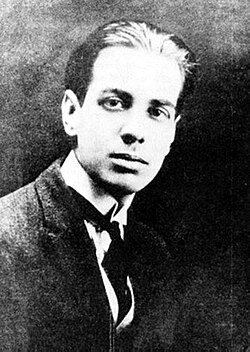
Key Facts
- Full Name: Jorge Francisco Isidoro Luis Borges.
- Lifespan: 1899 – June 14, 1986 (aged 86).
- Nationality: Argentine.
- Masterworks: Ficciones (1944) and El Aleph (1949).
- Key Themes: Labyrinths, infinity, mirrors, and non-linear time.
- Major Honor: Commandeur de l'Ordre des Arts et Lettres (1962).
Life and Intellectual Journey
Borges's early life in Buenos Aires provided the foundation for his multicultural influences. He was deeply shaped by his family, including his mother Leonor Acevedo and father Jorge Guillermo Borges, as well as his sister Norah. His education was an eclectic journey through various languages and philosophies, which later allowed him to serve as a bridge between European thought and Latin American literature.
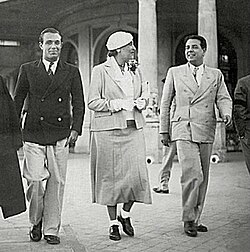
The Rise to International Renown
While he began his career in the early 20th century, Borges achieved global stature through his short stories. His ability to condense vast philosophical concepts into brief, potent narratives led to the publication of Labyrinths (1962) and other seminal collections. Despite his immense influence on world literature, he is famously noted for his omission from the Nobel Prize in Literature, a point of enduring debate among critics.
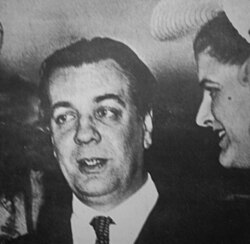
Later Years and Legacy
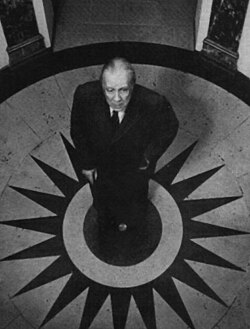
In his later years, Borges faced the challenge of blindness, which he integrated into his poetics, viewing the world through a different lens of memory and sound. He spent significant time in Paris and other global capitals, continuing to lecture and write until his death in Geneva, Switzerland, in 1986.
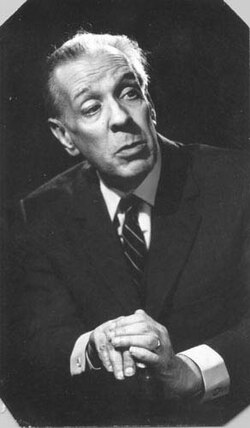
The Borgesian Universe: Themes and Influence
The term Borgesian has entered the lexicon to describe situations involving complex, recursive, or paradoxical structures. His work frequently intersects with several academic and artistic disciplines:
- Mathematics and Philosophy: Borges explored the concept of infinity and the nature of existence, often using mathematical paradoxes to illustrate metaphysical points.
- Science Fiction: Though not a traditional sci-fi writer, his exploration of alternate realities and non-linear time anticipated many tropes of the genre.
- Argentine Tradition: He maintained a deep connection to his roots, specifically through the study of Martín Fierro and other elements of Argentine culture.
Works and Contributions
Borges's output was diverse, spanning from high-concept fiction to audio recordings. He collaborated with musicians, such as Astor Piazzolla for El Tango (1965), and recorded numerous lectures on subjects ranging from Buddhism to the Kabbalah.
| Category | Notable Examples | Year/Detail |
|---|---|---|
| Short Story Collections | Ficciones, El Aleph, Labyrinths | 1944, 1949, 1962 |
| Musical Collaborations | El Tango (with Astor Piazzolla) | 1965 |
| Lectures (Audio) | La Divina Comedia, El Budismo | 1978 |
| Poetry | Por El Mismo Sus Poemas Y Su Voz | 1967 |
Global Tributes
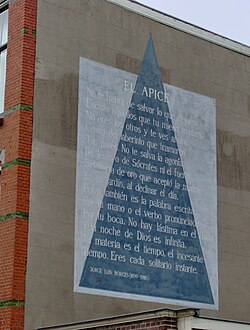
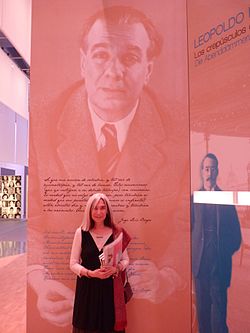
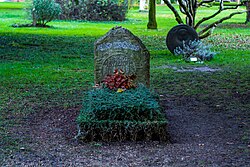
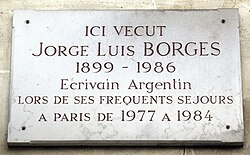
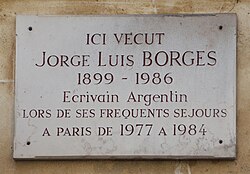
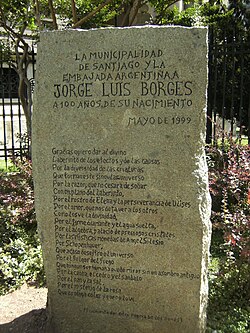
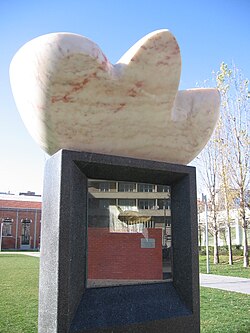
The impact of Borges is visible in monuments and plaques across the world, reflecting his status as a global intellectual icon. From the streets of Paris to the cities of Chile and Portugal, his legacy is preserved in stone and memory.
Frequently Asked Questions
Why is Borges associated with labyrinths?
Labyrinths serve as a central metaphor in his work, representing the complexity of the universe, the nature of time, and the intellectual struggle to find truth within a confusing or infinite system.
Did Jorge Luis Borges win the Nobel Prize?
No, Borges never received the Nobel Prize in Literature, despite being one of the most influential writers of the 20th century. This omission is frequently cited by literary historians as one of the most notable oversights in the prize's history.
What is the significance of 'Ficciones' and 'El Aleph'?
These are his most famous collections of short stories. They established his reputation for blending fantasy with philosophical inquiry, introducing concepts like the infinite library and the point in space that contains all other points.
How did blindness affect his work?
Borges developed a "poetics of blindness," where the loss of sight shifted his focus toward auditory experiences, memory, and the internal visualization of the worlds he created.
What were his political views?
Borges held complex political opinions, characterized by his anti-communism, anti-fascism, and anti-Peronism, reflecting his commitment to individual liberty and democracy.