John Trumbull's The Surrender of General Burgoyne and the Omitted Figures
Historical paintings often serve as visual records of pivotal moments in time, but they are rarely exhaustive. John Trumbull's depiction of The Surrender of General Burgoyne is a prime example of how artistic precision can lead to the exclusion of key historical figures. While Trumbull aimed for accuracy, his commitment to realism meant that some individuals were left out of the canvas entirely.
The Constraints of Historical Portraiture
Trumbull's approach to his Revolutionary series was rooted in a desire for authenticity. Rather than imagining faces, he preferred to work from life sittings—sessions where the subject poses for the artist—or from existing, reliable likenesses. This methodology ensured that the figures in his work were recognizable and historically accurate.
However, this dedication to accuracy created practical challenges. Art historian Irma B. Jaffe noted that Trumbull was frequently forced to omit individuals of significant merit simply because he lacked a reliable graphic record of their features. If a trustworthy visual reference did not exist, the person was excluded to avoid compromising the painting's integrity.
The Case of Captain John Stanley
One notable absence from the composition is Captain John Stanley. As an aide-de-camp (a personal assistant to a high-ranking officer) to General John Burgoyne, Stanley was a significant figure within the British command. Despite his role and the fact that he was serving on Burgoyne's staff during the surrender—having previously been wounded at the Battle of Freeman’s Farm—he does not appear in the painting.
Why Stanley Was Omitted
The reason for Stanley's absence lies in the timeline of Trumbull's work. Trumbull based the majority of his figures on portraits painted from life or sketches created during his preparatory work in the early 1790s. Because Captain Stanley died in 1783, he was not available for a life sitting before Trumbull executed the major oil versions of the Saratoga paintings.
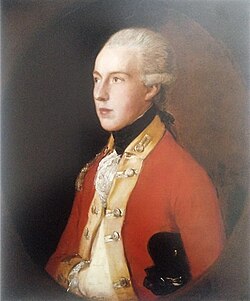
While a portrait of Stanley painted by Thomas Gainsborough in 1776 exists in the collection of Mary, Viscountess Eccles, it was apparently not available or utilized by Trumbull during his process.
Key Facts
- Artist's Standard: John Trumbull prioritized life sittings and reliable likenesses over artistic imagination.
- The Omission: Captain John Stanley, aide-de-camp to General Burgoyne, is missing from the painting.
- Historical Context: Stanley was present at the surrender and had previously fought at the Battle of Freeman’s Farm.
- Timeline Conflict: Stanley died in 1783, before Trumbull completed the final oil versions of the Saratoga series.
- Existing Records: A 1776 portrait of Stanley by Thomas Gainsborough exists in the collection of Mary, Viscountess Eccles.
| Figure | Role | Reason for Omission | Available Reference |
|---|---|---|---|
| Captain John Stanley | Aide-de-camp to General Burgoyne | Death in 1783; lack of reliable record for Trumbull | 1776 portrait by Thomas Gainsborough |
Frequently Asked Questions
Why did John Trumbull omit some people from his paintings?
Trumbull omitted individuals when he lacked a reliable graphic record or a life sitting to ensure the portrait's accuracy, as he refused to invent features.
Who was Captain John Stanley?
Captain John Stanley was an aide-de-camp to General John Burgoyne and a member of the British command who served during the surrender at Saratoga.
Did any portraits of Captain Stanley exist during Trumbull's time?
Yes, a portrait painted by Thomas Gainsborough in 1776 survived in the collection of Mary, Viscountess Eccles.
When did Trumbull create the major oil versions of the Saratoga paintings?
Trumbull conducted preparatory sketches in the early 1790s, which occurred after Captain Stanley's death in 1783.
What was the Battle of Freeman's Farm?
It was a conflict in which Captain John Stanley was wounded prior to his service on General Burgoyne's staff during the surrender.