Jigit and Jigitovka: The Art of Mastery in Equestrian Acrobatics
In the vast landscapes of the North Caucasus and Central Asia, the bond between a rider and their horse transcends simple transportation. It evolves into a display of courage, precision, and athletic prowess. At the heart of this tradition is the Jigit, a term that defines not just a skill set, but a standard of bravery.
Derived from Turkic origins, the word Jigit (also spelled as Dzhigit, yigit, zhigit, or igid) describes a skillful and brave equestrian. In a broader cultural sense, it is also used to describe any person who exhibits exceptional courage.
The Discipline of Jigitovka
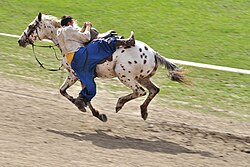
While a Jigit is the person, Jigitovka (or jigiting) is the practice. This specialized style of trick riding originated within the Turkic cultures of Central Asia and the North Caucasus. Over time, these techniques were adopted by the Cossacks, who learned the art from the Circassians.
Jigitovka is characterized by high-speed maneuvers performed while the horse is at a full gallop. These acrobatic feats require immense trust between the horse and rider and include:
- Standing upright on the horse's back during a gallop.
- Jumping from the saddle to the ground and mounting back onto the horse without stopping.
- Picking up small objects, such as coins or hats, from the ground.
- Firing weapons at targets while in motion.
- Riding while hanging from the side or positioned under the belly of the horse.
From Battlefield to Big Top
Originally rooted in utility and bravery, Jigitovka transitioned into a form of public spectacle by the early 19th century. Its breathtaking nature made it a staple in circuses and horse sport competitions.
The art eventually reached Western audiences through global exhibitions. A notable example is Buffalo Bill's Wild West Show, where Georgian horsemen from Guria performed Jigitovka under the guise of Cossacks.
Beyond entertainment, these skills had practical military applications. Jigitovka was integrated into the official training of cavalry forces within the Russian Empire and the USSR to enhance the agility and combat effectiveness of soldiers. Today, modern Jigitovka is most commonly seen as a circus performance, often featuring synchronized, complex stunts performed by groups of riders.
Key Facts
- Origin: Turkic cultures of Central Asia and the North Caucasus.
- Etymology: The word "Jigit" refers to a brave person or a skilled rider.
- Cultural Exchange: Cossacks adopted the practice from the Circassians.
- Global Reach: Featured in Buffalo Bill's Wild West Show via Georgian riders.
- Military Use: Used for cavalry training in the USSR and the Russian Empire.
| Term | Definition | Primary Characteristics |
|---|---|---|
| Jigit | The Practitioner | Brave, skillful, and courageous. |
| Jigitovka | The Practice | Trick riding, acrobatic feats at full gallop. |
Frequently Asked Questions
What is the difference between a Jigit and Jigitovka?
A Jigit is the individual—a brave and skilled equestrian—whereas Jigitovka is the actual practice or style of trick riding they perform.
Where did Jigitovka originate?
It originated in the Turkic cultures of Central Asia and the North Caucasus.
Which groups are most associated with this style of riding?
It is primarily associated with Turkic cultures, the Circassians, and the Cossacks.
Was Jigitovka used for more than just entertainment?
Yes, it was utilized as a method of training for cavalry forces in the Russian Empire and the USSR to improve rider skill and agility.
How did Jigitovka become known in the West?
It gained Western popularity through circus performances and exhibitions, such as Buffalo Bill's Wild West Show, which featured Georgian horsemen performing these stunts.