Jerusalem: A Global Metropolis of Faith, History, and Culture
Jerusalem, known as Ir ha-Kodesh (The Holy City) in Hebrew and Bayt al-Maqdis (House of the Holiness) in Arabic, is one of the oldest and most significant cities in the world. Situated at an elevation of 754 meters, this metropolis serves as a focal point for three of the world's major Abrahamic religions: Judaism, Christianity, and Islam. From its ancient roots in the Gihon Spring settlement to its current status as a modern urban center, Jerusalem blends millennia of history with contemporary political and social complexity.
The city's identity is deeply etched into its landscape, where ancient limestone walls meet high-tech parks and modern transit systems. Its unique position in the Middle East makes it not only a spiritual beacon but also a center of administrative and diplomatic activity.
Key Facts
- UNESCO Status: The Old City of Jerusalem and its Walls were designated a Cultural World Heritage Site in 1981.
- Population: The metropolis population reached 1,050,153 as of 2024.
- Ancient Roots: Early settlements date back to 3000–2800 BCE at the Gihon Spring.
- Religious Hub: Home to the Western Wall, the Holy Sepulchre, and the Al-Aqsa Mosque.
- Geography: Located at coordinates 31°46′44″N 35°13′32″E.
History and Political Status
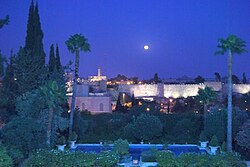
Jerusalem's history is a tapestry of conquests and reconstructions. The City of David dates back to approximately 1000 BCE, while the current walls surrounding the Old City were constructed in 1541. Throughout the centuries, the city has been mentioned in ancient Egyptian sources and the Hebrew Bible, evolving through Greek, Roman, and Byzantine eras.
The political status of Jerusalem remains a subject of international claim and administration. While administered by Israel, it is claimed by both Israel and Palestine. Significant milestones include the East-West division in 1948, the Israeli annexation of East Jerusalem in 1967, and the passing of the Jerusalem Law in 1980.
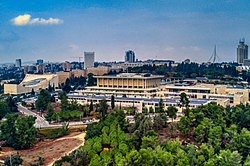
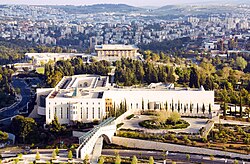
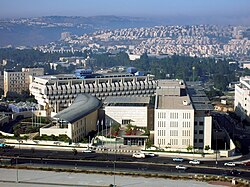
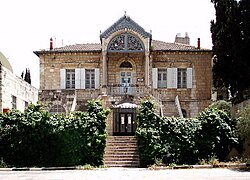
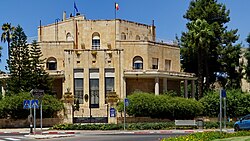
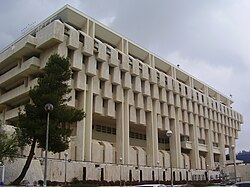
Today, the city houses critical national institutions, including the Knesset (the legislature of Israel), the Supreme Court, and the Israeli Foreign Ministry. Simultaneously, it remains a center for Palestinian offices and institutions.
Geography and Climate
Jerusalem is characterized by its rugged terrain and a Mediterranean climate with distinct seasonal variations. The city experiences its highest temperatures in August, with record highs reaching 44.4°C, while winters can be cold, occasionally seeing snow on the roofs of the Old City.
Precipitation is heavily concentrated in the winter months, particularly December, which sees an average of 525.5 mm of rainfall. This seasonal cycle supports the region's unique ecology and historical agricultural practices.
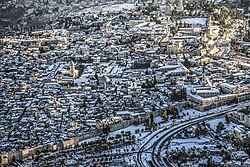
Climate Summary (1991–2020 Normals)
| Month | Mean Max Temp (°C) | Mean Min Temp (°C) | Avg Precipitation (mm) | Sunshine Hours |
|---|---|---|---|---|
| January | 12.7 | 6.7 | 136.8 | 192.9 |
| April | 22.0 | 12.5 | 21.8 | 266.6 |
| July | 30.0 | 20.0 | 0.0 | 384.4 |
| October | 25.9 | 17.3 | 51.1 | 275.9 |
| December | 14.9 | 8.8 | 525.5 | 192.2 |
Demographics and Urban Structure
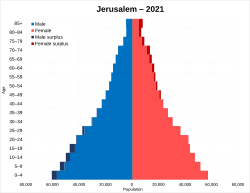
The population of Jerusalem is a diverse mix of ethnicities and religious affiliations. As of recent data, the city is divided between West and East Jerusalem. West Jerusalem is predominantly Jewish (98.6%), while East Jerusalem has a higher proportion of Arabs and Palestinians (60.6%).
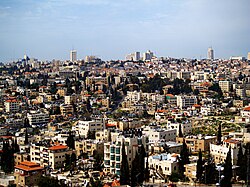
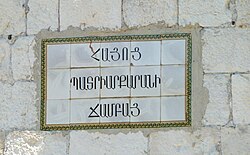
The urban landscape is a contrast of the ancient and the avant-garde. The Old City remains the spiritual heart, containing the four quarters (including the Armenian Quarter) and sites of seminal religious importance.
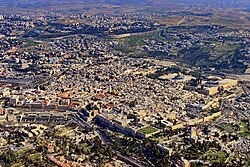
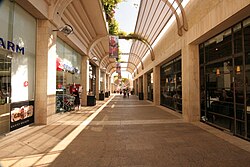
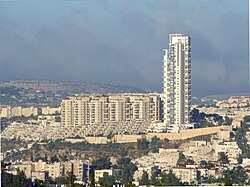
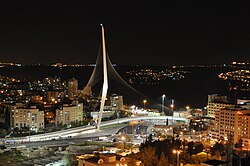
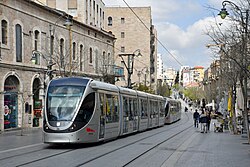
Outside the walls, the city has expanded into a modern metropolis. This includes the Mamilla Mall for upscale shopping, the Holyland Tower (the city's tallest building), and the Har Hotzvim high-tech park. Infrastructure has been modernized with the introduction of the Light Rail tram on Jaffa Road and the iconic Chords Bridge.
Culture, Education, and Economy
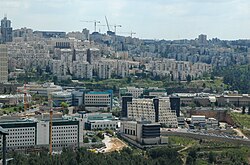
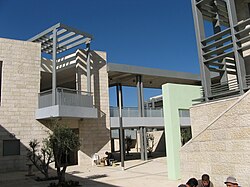
Jerusalem is a center for higher learning and cultural preservation. The Hebrew University of Jerusalem (Mount Scopus campus) and Al-Quds University are prominent academic institutions. The city also fosters coexistence through initiatives like Hand in Hand, a bilingual Jewish-Arab school.
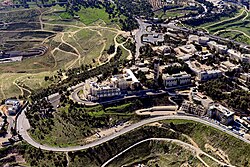
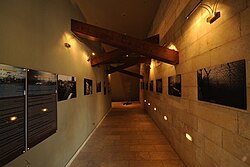
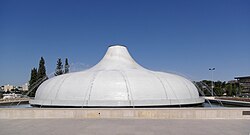
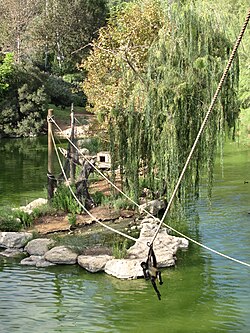
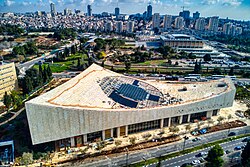
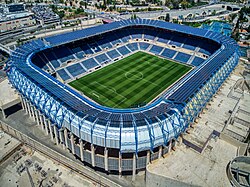
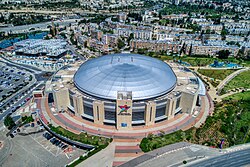
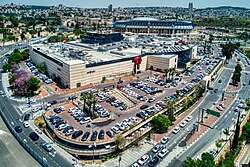
Culturally, the city is home to the Israel Museum, which houses the Shrine of the Book and the Dead Sea Scrolls, as well as the National Library of Israel. For recreation, residents and tourists visit the Jerusalem Biblical Zoo and sports venues like Teddy Stadium and the Pais Arena.
Frequently Asked Questions
What is the significance of the Old City of Jerusalem?
The Old City is a UNESCO World Heritage Site and contains the most sacred sites for Judaism, Christianity, and Islam, making it one of the most religiously significant locations on Earth.
How is the population of Jerusalem distributed?
The population is split between West Jerusalem, which is overwhelmingly Jewish, and East Jerusalem, which has a significant Palestinian Arab majority.
What are some of the modern landmarks in Jerusalem?
Modern landmarks include the Chords Bridge, the Light Rail system, the Holyland Tower, and the Har Hotzvim high-tech park.
What is the climate like in Jerusalem?
Jerusalem has a Mediterranean climate with hot, dry summers and cool, rainy winters, with the majority of precipitation occurring in December.
Which major educational institutions are located in the city?
Key institutions include the Hebrew University of Jerusalem and Al-Quds University, reflecting the city's role as a center for academic study.