Jeonbuk State: A Journey Through South Korea's Special Self-Governing Province
Located in the southwest of the Korean Peninsula within the Honam region, Jeonbuk State (officially Jeonbuk Special Self-Governing Province) is a land where ancient history meets modern autonomy. Formerly known as North Jeolla Province, the region transitioned to a special self-governing status on January 18, 2024. This administrative shift grants the province increased authority to manage its own environmental, immigration, and tourism policies, marking a new era for this culturally rich territory.
Key Facts
- Capital: Jeonju
- Status: Special Self-Governing Province (3rd in South Korea)
- Total Area: 8,069.05 km²
- Major Cities: Jeonju, Iksan, Gunsan, and Jeongeup
- Primary Industries: Service industry (68.3%), mining (21.2%), and construction (9.7%)
- Cultural Highlight: Jeonju Hanok Village and the Jeonju International Sori Festival
A Deep Dive into History
The history of Jeonbuk is as layered as its landscape. During the Proto–Three Kingdoms period, the region served as a central hub for the Mahan tribal states, housing 15 of the 54 total states. As the Three Kingdoms period progressed, the area was absorbed into the Baekje kingdom, which utilized the Goseopseong–Gobu area as a core administrative center.
Following the fall of Baekje in 660, the region transitioned through Tang control and eventually became part of Silla in 676. During the Unified Silla period, significant administrative centers like Wansan-ju (modern-day Jeonju) were established. The region later saw the rise of Hubaekje in 892, with Jeonju serving as its capital for approximately 50 years before being integrated into the Goryeo Dynasty in 936.
By the Joseon Dynasty, the administrative structures of the Eight Provinces system were solidified. In 1018, during the Goryeo Dynasty, the names Gangnam-do and Haenam-do were combined to form the historic Jeolla-do.
Geography and Demographics
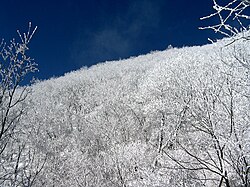
Jeonbuk State occupies approximately 8.1% of South Korea's total landmass. Its geography is defined by diverse terrain, ranging from the high peaks of Sobaeksan (1,732 meters) to coastal areas bordering the Yellow Sea. The province is bordered by South Chungcheong to the north, the Gyeongsang provinces to the east, and Jeonnam-Gwangju to the south.
As of December 2022, the population stood at approximately 1,769,607 residents. While the region has faced challenges regarding population decline and aging, its new self-governing status is designed to stimulate growth and development through localized policy-making.
Culture, Festivals, and Tourism
Jeonbuk is a premier destination for those seeking the soul of Korean tradition. The Jeonju International Sori Festival is a world-renowned event celebrating Pansori—a traditional Korean genre of musical storytelling designated as Intangible Cultural Heritage. Additionally, the Jeollabuk-do World Calligraphy Biennale promotes the global appreciation of East Asian calligraphy.
Must-Visit Destinations
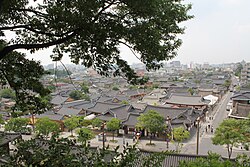
- Jeonju: Famous for the Jeonju Hanok Village, Gyeonggijeon Shrine, and Deokjin Park.
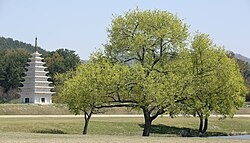
- Iksan: Home to the Mireuksaji Pagoda and the newly opened Iksan Ancient City World Heritage Center.
- Gunsan: Known for its modern history museums and the Hirotsu House.
- Buan: Features the scenic Byeonsanbando National Park and Tapsa Temple.
- Namwon: Offers the beautiful Gwanghallu Pavilion and Chunhyang Theme Park.
Economic and Educational Landscape
The economy of Jeonbuk is heavily driven by the service sector. Agriculture also plays a vital role, with the production of rice, barley, ginseng, and various fruits like peaches and dried persimmons. The province's infrastructure is supported by the Honam Expressway, which connects the industrial belt of Iksan and Gunsan to the capital, Jeonju.
Education is a cornerstone of the province, with several major institutions including Chonbuk National University in Jeonju and Kunsan National University in Gunsan. These universities provide essential research and graduate-level training for the region's workforce.
Summary of Jeonbuk State
| Category | Details |
|---|---|
| ISO Code | KR-45 |
| GDP (Nominal, 2023) | KRW 64 trillion (US$ 51 billion) |
| Per Capita GDP | US$ 32,464 |
| Administrative Divisions | 6 cities; 8 counties |
| Major Dialect | Jeolla |
Frequently Asked Questions
What makes Jeonbuk a "Special Self-Governing Province"?
This status, granted in early 2024, provides the province with greater autonomy to manage its own affairs, including the ability to approve environmental impact assessments and create tailored policies for tourism and immigration.
What is the best way to travel within Jeonbuk?
The province is well-connected via the Honam Expressway. For air travel, Gunsan Airport provides connections to Jeju International Airport, and shuttle services are available to reach Jeonju.
What are the most famous cultural traditions in the region?
The region is famous for Pansori music, celebrated at the Jeonju International Sori Festival, and traditional Korean calligraphy, highlighted by the World Calligraphy Biennale.
Which city is the capital of Jeonbuk State?
Jeonju is the capital and the largest city of Jeonbuk State.
What is the main industry in Jeonbuk?
The service industry is the largest economic driver, accounting for 68.3% of the province's economic activity.