Java: The Volcanic Heartland and Most Populous Island in the World
Java is a cornerstone of the Indonesian archipelago, serving as the economic, political, and demographic center of the nation. As one of the Greater Sunda Islands in Southeast Asia, it is bordered by the Java Sea to the north and the Indian Ocean to the south. Despite constituting only 7% of Indonesia's total land area, Java is the most populous island on Earth, housing approximately 56% of the country's population.
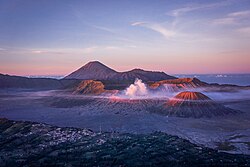
The island's identity is inextricably linked to its geology. Formed by the subduction of the Australian Plate beneath the Sunda Plate, Java is defined by a dramatic volcanic spine that runs from east to west, creating a landscape of fertile soils and towering peaks.
Key Facts
- Population: Approximately 158.08 million (mid-2025 estimate).
- Highest Point: Mount Semeru, reaching 3,678 meters.
- Economic Impact: Contributes roughly 60% of Indonesia's GDP.
- Global Status: The world's most populous island.
- Capital City: Jakarta, located on the northwestern coast.
Geography and Natural Environment

Java's topography is almost entirely of volcanic origin. The island features 112 volcanoes, 35 of which remain active. Among these, Mount Semeru is the highest peak, while Mount Merapi is recognized as the most active volcano in both Java and Indonesia.
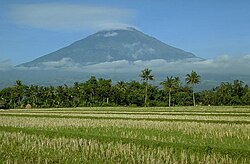
The island spans approximately 1,000 km in length and up to 210 km in width. Its hydrology is dominated by the Solo River, the longest in Java at 600 km, which flows from the Lawu volcano to the Java Sea near Surabaya. Other significant rivers include the Brantas, Citarum, Cimanuk, and Serayu.
Climate varies significantly by region. West Java is notably wetter, with the Parahyangan highlands receiving over 4,000 mm of annual rainfall, whereas the north coast of East Java receives only about 900 mm.
Flora and Fauna
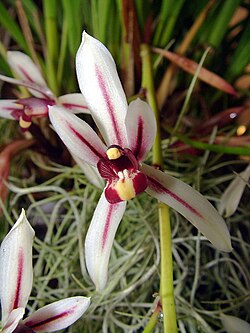
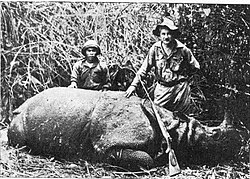
The island's diverse environment supports unique species, including the Cymbidium dayanum orchid. However, some wildlife faces extreme threats; the Javan rhino is now the world's rarest rhino, with only small numbers surviving in Ujung Kulon.
Deep History: From Early Humans to Empires
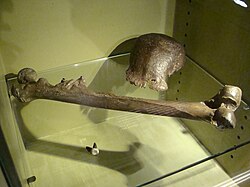
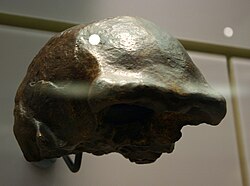
Java has a profound paleoanthropological significance. It was home to Homo erectus for hundreds of thousands of years. Evidence from the Sangiran site dates back 1.51 to 0.93 million years, followed by findings at Trinil and Ngandong. These populations may have represented a terminal group of H. erectus sheltering in open-habitat refuges before the expansion of rainforests.
The Hindu-Buddhist Era
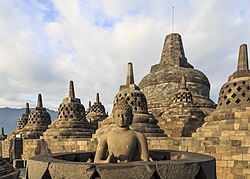
During the Classic period, Java saw the rise of powerful Hindu-Buddhist kingdoms. The Majapahit Empire, established by King Wijaya in 1293, became a dominant force. Under the leadership of Prime Minister Gajah Mada and King Hayam Wuruk, Majapahit claimed suzerainty over much of the Indonesian archipelago, though direct control was primarily limited to Java, Bali, and Madura.
The Rise of Islam and Colonialism
By the 17th century, the inland kingdom of Mataram emerged as the dominant power. Sultan Agung of Mataram is credited with harmonizing Islam with traditional Javanese cultural attitudes. However, the arrival of European powers altered the island's trajectory. While the Portuguese had early contact, the Dutch East India Company eventually established dominance, utilizing industrial weapons and political intervention to dismantle the Mataram kingdoms.
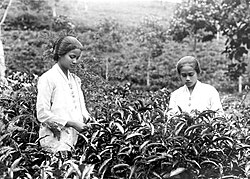
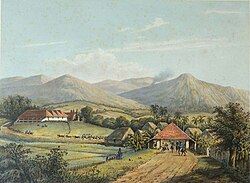
The Dutch colonial era saw a massive population surge due to the end of civil wars, the expansion of rice cultivation, and the introduction of crops like cassava and maize. Despite the benefits of new infrastructure like railways and telegraphs, the Dutch "Cultivation System" was controversial, with some sources linking it to famines in the 1840s.

Modern Administration and Demographics
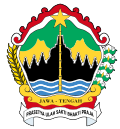
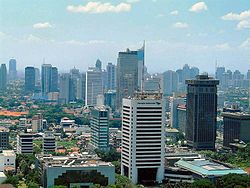
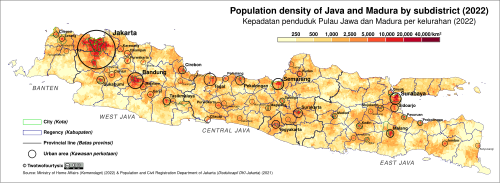
Today, Java is divided into four provinces and two special regions. Jakarta serves as the national capital and is one of the most densely populated cities in the world.
| Province / Special Region | Capital | Area (km²) | Estimated Population (2025) | Density (per km²) |
|---|---|---|---|---|
| Banten | Serang | 9,355.76 | 12,537,400 | 1,340 |
| Jakarta (Special Region) | Central Jakarta | 661.53 | 10,678,000 | 16,141 |
| West Java | Bandung | 37,053.33 | 50,759,000 | 1,370 |
| Central Java | Semarang | 34,347.43 | 38,233,900 | 1,113 |
| Yogyakarta (Special Region) | Yogyakarta | 3,170.36 | 3,781,500 | 1,193 |
| East Java (incl. Madura) | Surabaya | 48,055.88 | 42,089,300 | 876 |
Culture, Language, and Religion

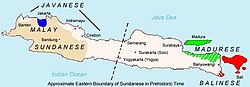
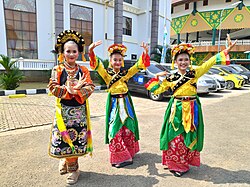
Java is a mosaic of ethnic and linguistic groups. The central region is the heartland of the Javanese people, while the western region is dominated by the Sundanese. The Betawi people, primarily in Jakarta, speak a Malay creole dialect.
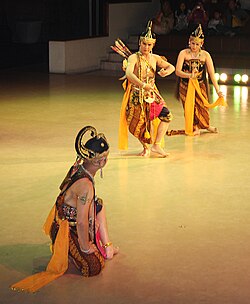
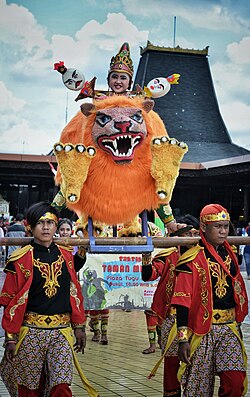
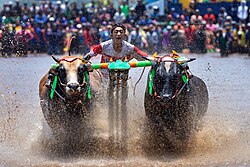
Cultural expressions range from the Ramayana ballet at Prambanan to the traditional Sundanese lion dance (Sisingaan) and the Madurese bull racing festival (Karapan sapi).
While Islam is the predominant religion, Java maintains a rich spiritual diversity. This includes official religions like Protestantism, Catholicism, Buddhism, and Hinduism, as well as traditional beliefs such as Kejawen and Sunda Wiwitan.
Economy and Infrastructure

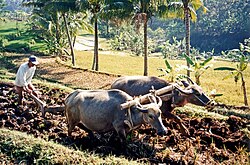
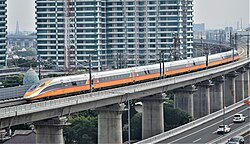
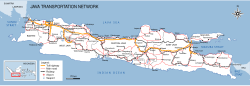
Java is the economic engine of Indonesia, contributing approximately 60% of the national GDP (roughly US$686 billion in 2021). The economy is supported by rich agricultural lands, particularly for rice cultivation, and a rapidly modernizing transport network.
Frequently Asked Questions
Why is Java so densely populated?
Java's high population density is largely due to its volcanic soil, which is incredibly fertile and supports intensive rice agriculture. This agricultural productivity, combined with the concentration of political and economic power in Jakarta, has attracted millions of residents over centuries.
What is the significance of Homo erectus in Java?
Java provides some of the most critical evidence for early human evolution in Asia. Sites like Sangiran and Trinil show that Homo erectus occupied the island for over a million years, potentially serving as a final refuge for the species in East Asia.
Which is the most active volcano on the island?
Mount Merapi is the most active volcano in Java and is also considered the most active in all of Indonesia.
What are the primary ethnic groups in Java?
The primary ethnic groups are the Javanese, who are concentrated in the central and eastern parts of the island, and the Sundanese, who primarily inhabit the western region. The Betawi people are also prominent, particularly in the Jakarta area.
How does Java contribute to Indonesia's economy?
Java is the dominant economic hub of the country, contributing about 60% of Indonesia's total GDP, driven by its massive urban centers, industrial zones, and productive agricultural lands.