Japanese People: Origins, Culture, and Global Diaspora
The Japanese people possess a rich and complex identity shaped by millennia of migration, cultural synthesis, and a unique geographic isolation. With a total population of approximately 125 million, the vast majority reside within the Japanese archipelago, though a significant global diaspora has established vibrant communities across the Americas, Asia, and Europe.
To understand the modern Japanese identity, one must look beyond nationality to the ethnic roots and historical waves of migration that formed the population. This includes the interaction between ancient hunter-gatherers and later agriculturalists, as well as the syncretic blending of spiritual beliefs and artistic expressions.
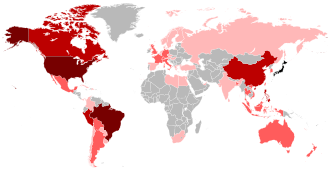
Key Facts
- Total Population: Approximately 125 million people.
- Primary Regions: Japan (119.3 million) and significant diaspora populations in Brazil and the United States.
- Ancestry: Formed primarily from the Jōmon (hunter-gatherers) and Yayoi (rice-agriculturalists) populations.
- Language: Japanese.
- Religion: Traditionally syncretic, combining Shinto and Mahayana Buddhism.
- Related Groups: The Ainu and Ryukyuan people.
Origins and Prehistoric Foundations
Archaeological evidence suggests that humans inhabited the Japanese archipelago as early as the Paleolithic period, between 39,000 and 21,000 years ago. During this time, nomadic hunter-gatherers crossed from mainland Asia via land bridges, leaving behind flint tools and bony implements.
The Jōmon Period
The Jōmon people, active during the Upper Paleolithic period, are renowned for creating some of the world's oldest pottery, dating back 16,000 years. The term Jōmon (meaning "cord-impressed pattern") refers to the distinct markings on their ceramics. While primarily hunter-gatherers, they practiced early agriculture, such as cultivating Azuki beans. Their genetic roots were heterogeneous, tracing back to Siberia, ancient Taiwan, the Tibetan Plateau, and Southeast Asia.
The Yayoi Period and the Dual Structure Model
Between 300 BCE and 300 CE, the Yayoi period introduced a second wave of immigration from East Asia. These newcomers brought advanced rice-growing agriculture, which led to a population expansion. According to the dual structure model proposed by Kazuro Hanihara, modern Japanese lineages resulted from the admixture of the indigenous Jōmon people and these Yayoi immigrants.
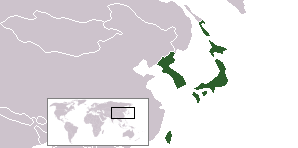
This replacement of hunter-gatherers was most prevalent in Kyushu, Shikoku, and southern Honshu. However, in the outlying regions of Hokkaido and the Ryukyu Islands, the Jōmon influence remained stronger, which is reflected in the mixed characteristics of the Ainu and Ryukyuan people.
Cultural and Spiritual Identity
Japanese culture is characterized by a deep respect for tradition and a unique ability to integrate foreign influences into a native framework.
Religion and Spirituality
Spirituality in Japan is traditionally syncretic, meaning it blends different beliefs. The two primary pillars are:
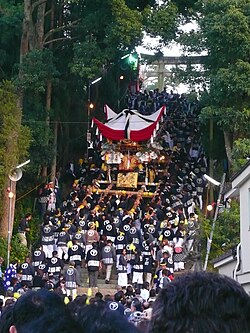
- Shinto: The native polytheistic religion of Japan, which lacks a formal canon and was historically linked to the imperial family's right to the throne.
- Mahayana Buddhism: Introduced in the sixth century, it evolved into various sects, with Jōdo Shinshū currently being the largest.
While Shinto and Buddhism dominate in Japan, the diaspora often adopts different faiths. For example, a high percentage of Japanese Brazilians (60%) and Japanese Mexicans (90%) are Roman Catholics.
Literature and the Arts
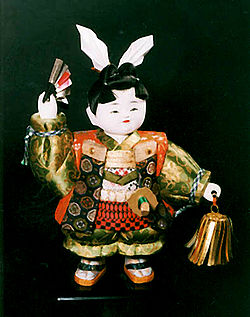
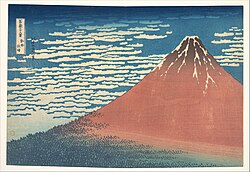
Japan has produced distinct literary genres, including haiku (short poetry), tanka, and the I Novel. Classic works such as Murasaki Shikibu's The Tale of Genji (1021) and Miyamoto Musashi's The Book of Five Rings (1645) continue to influence global perceptions of Japanese aesthetics and strategy.
The Global Japanese Diaspora
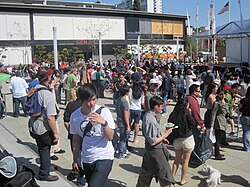
The Japanese diaspora consists of people of Japanese origin living outside Japan. This movement has resulted in large communities in South America and North America, where they have maintained cultural ties while integrating into new societies.
| Country | Estimated Population | Data Year |
|---|---|---|
| Brazil | 2,700,000 | 2023 |
| United States | 1,586,652 | 2020 |
| Peru | 203,130 | 2023 |
| Canada | 129,425 | 2021 |
| Philippines | 120,000 | - |
| Australia | 105,566 | 2025 |
Colonial Period and Identity
From 1895 to 1945, during the Japanese colonial era, the definition of "Japanese people" expanded to include citizens from colonies, such as Koreans and Taiwanese. To distinguish ethnic Japanese from these colonial citizens, the term naichijin ("inland people") was used. This linguistic shift was part of a broader effort to force the assimilation of various ethnic identities into a single Imperial Japanese identity.
Frequently Asked Questions
Who are the Jōmon and Yayoi people?
The Jōmon were the prehistoric hunter-gatherers of Japan known for their cord-patterned pottery. The Yayoi were later immigrants from East Asia who introduced wet-rice cultivation to the archipelago.
What is the "dual structure model" of Japanese origins?
It is a theory suggesting that modern Japanese people are the result of genetic mixing between the indigenous Jōmon population and the later arriving Yayoi agriculturalists.
Is Shinto the only religion in Japan?
No. Japanese religion is syncretic, meaning most people practice a combination of Shinto (the native polytheistic faith) and Mahayana Buddhism.
Which country has the largest Japanese population outside of Japan?
Brazil has the largest Japanese diaspora, with an estimated population of 2.7 million as of 2023.
Who are the Ainu and Ryukyuan people?
They are related ethnic groups in Japan. The Ainu primarily inhabit the north (Hokkaido) and the Ryukyuans the south (Okinawa), both showing distinct characteristics due to different levels of admixture with Yayoi populations.