Japanese Buddhism: A Comprehensive History of Schools and Evolution
Buddhism first established its roots in Japan during the 6th century CE, evolving from an aristocratic import into a diverse spiritual landscape that touches nearly every aspect of Japanese culture. While early forms were closely tied to the imperial court, the religion underwent a massive transformation during the Kamakura period, giving rise to the popular schools that define the faith today.
Key Facts
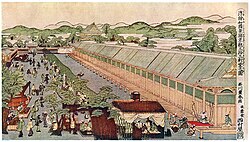
- Arrival: Established in Japan in the 6th century CE.
- Dominant Sects: Pure Land Buddhism is the largest, followed by Nichiren and Shingon.
- Kamakura Shift: Most modern believers belong to schools founded between 1185 and 1333.
- State Control: The Edo period used the Danka system for population control and census.
- Meiji Persecution: The haibutsu kishaku movement led to the destruction of approximately 40,000 temples.
- Modern Status: While traditional temple Buddhism has declined, lay organizations like Soka Gakkai have grown rapidly.
The Early Eras: From Asuka to Nara
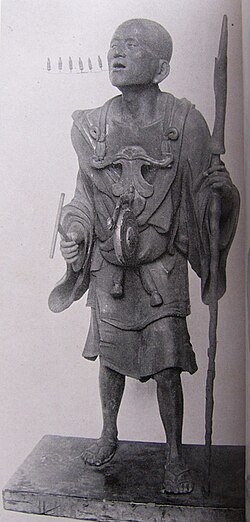
The initial spread of Buddhism occurred during the Asuka period (552–645), where it was championed by early sponsors like Prince Shōtoku. By the Hakuhō period (645–710), the Imperial House assumed official patronage, utilizing Buddhist rituals to centralize state power through the Taika Reform.
During the Nara period (710–794), Buddhism became deeply institutionalized. This era saw the establishment of the "six old schools," which, while historically significant, now represent a small fraction of the total Buddhist population in Japan.

The Architecture of Faith
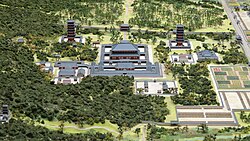
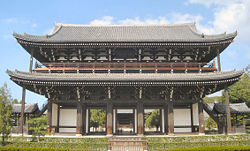
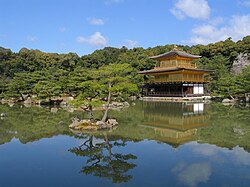
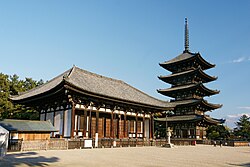
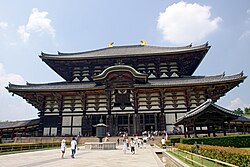
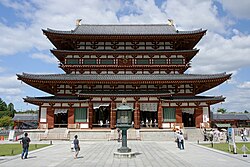
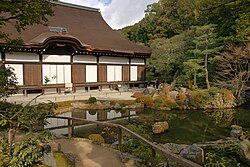
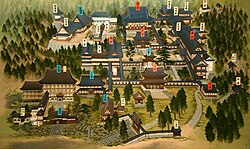
Early Buddhist temples differed from Shinto shrines by being strictly symmetrical and highly ornamental. Soga no Umako built Hōkō-ji (later Asuka-dera), the first temple in Japan, between 588 and 596. Over time, styles evolved, including the Daibutsuyō and Zenshūyō styles that emerged in the late 12th and early 13th centuries.
The Kamakura Revolution and New Schools
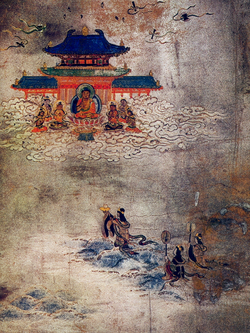
The Kamakura period (1185–1333) was a time of social crisis as power shifted from the imperial aristocracy to the samurai. This instability sparked a religious movement toward more accessible forms of practice. Many believed Japan had entered mappō, the era of the decline of the Dharma, rendering complex traditional practices ineffective.
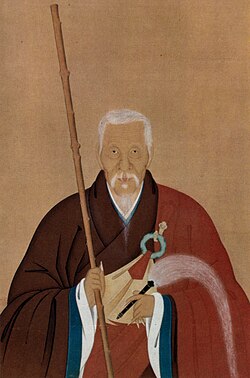
In response, new lineages emerged. Hōnen founded Jōdo shū and Shinran established Jōdo Shinshū. Both focused on the nembutsu—the faithful chanting of the name of Amida Buddha—as the sole means of liberation.
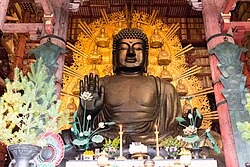
Diverse Responses to Crisis
While Pure Land schools focused on faith, other monks sought a return to strict ethical cultivation and meditation. This period also saw the rise of Zen and Nichiren Buddhism, providing spiritual frameworks that appealed to different social strata, including the warrior class.
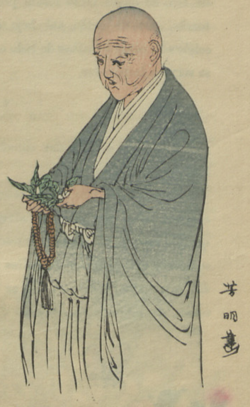
Syncretism and State Control
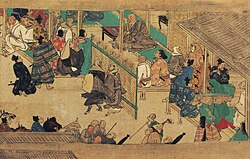
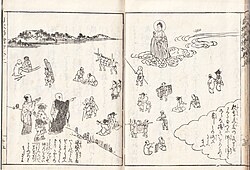
For centuries, Buddhism and Shinto existed in a state of Shinbutsu-shūgō, or the syncretism of kami (indigenous spirits) and buddhas. This blending was so complete that kami were often viewed as manifestations of Buddhist deities.
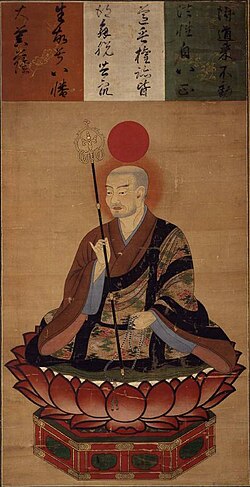
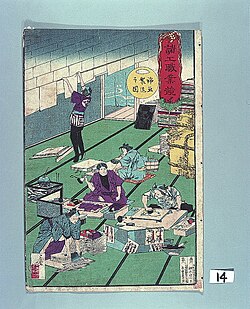
During the Edo period (1603–1868), the Tokugawa Shogunate exerted strict control via the Danka (or terauke) system. Citizens were required to register with a local temple to obtain a certification. While originally intended to suppress Christianity, it evolved into a tool for census and population management.
Persecution and the Meiji Restoration
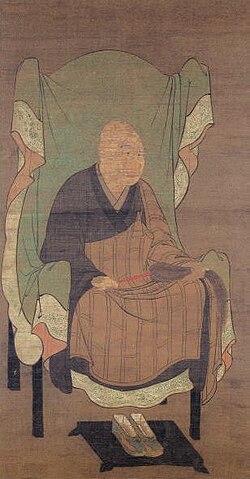
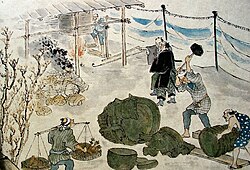
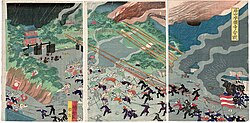
The Meiji period (1868–1912) brought a violent reaction against Buddhism known as haibutsu kishaku ("abolish Buddhism and destroy Shākyamuni"). The government forced a separation between Buddhism and Shinto (Shinbutsu bunri), leading to the confiscation of land and the destruction of countless artifacts.
It is estimated that 40,000 temples were destroyed, with some regions losing up to 80% of their Buddhist institutions. This period of persecution, particularly between 1869 and 1871, nearly eradicated the faith in certain areas.
Modern Buddhism and New Religious Movements
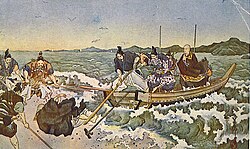
In the post-war era, traditional temple Buddhism faced a decline, with the term sōshiki bukkyō ("funerary Buddhism") coined in 1963 to describe a ritualism divorced from spiritual needs. Despite this, Buddhist rites still govern roughly 90% of Japanese funerals.
Conversely, lay-led new religions have flourished. Soka Gakkai, based on the Lotus Sutra, grew from 3,000 members in 1951 to over 8 million by 2000, establishing an extensive network of educational and cultural institutions.

Contemporary Expressions
Buddhism continues to adapt to the modern age. From the establishment of universities to unconventional outreach—such as the Vowz Band, who use rock music to spread Buddhist messages—the faith remains a dynamic part of Japanese identity.
![Vowz Band (A group of Buddhist monks who use rock music to spread message[137])](/images/df/03/df03c4110dc01ea57bb88c0536d80d5731e157fbe6ecc8e7878c05bf9fb96e7a.jpg)
Summary of Major Buddhist Sects in Japan
| Sect/School | Approximate Believers | Origin Period |
|---|---|---|
| Pure Land Buddhism | 22 Million | Kamakura |
| Nichiren Buddhism | 10 Million | Kamakura |
| Shingon Buddhism | 5.4 Million | Heian |
| Zen Buddhism | 5.3 Million | Kamakura |
| Tendai Buddhism | 2.8 Million | Heian |
| Six Old Schools | 700,000 | Nara |
Frequently Asked Questions
What is the difference between Nara and Kamakura Buddhism?
Nara Buddhism consisted of six academic schools primarily supported by the imperial court and aristocracy. Kamakura Buddhism emerged as a populist movement, creating simpler, faith-based practices like the nembutsu that were accessible to the common people and samurai.
What was the haibutsu kishaku?
It was a period of violent anti-Buddhist persecution during the early Meiji era. It involved the forced separation of Buddhism and Shinto, resulting in the destruction of approximately 40,000 temples and the loss of countless Buddhist texts and artifacts.
How did the Danka system work during the Edo period?
The Danka system required every Japanese citizen to register with a local Buddhist temple. The temple provided a certification (terauke) that was necessary for the citizen to function in society, effectively turning temples into administrative arms of the Shogunate for census and population control.
What is "funerary Buddhism" (sōshiki bukkyō)?
Coined in 1963, this term describes the trend in post-war Japan where temple Buddhism became primarily focused on providing funeral and burial services, often losing its deeper spiritual connection with the practitioners.
What is the significance of the nembutsu?
The nembutsu is the practice of chanting the name of Amida Buddha. In Pure Land schools, it is believed to be the only effective means of liberation during the era of mappō (the decline of the Dharma).