Iwasaki's Contributions to Immunology and Vaccine Development
The field of immunology is constantly evolving as researchers uncover how the human body identifies and fights off pathogens. A significant part of this progress is driven by the work of Iwasaki, whose research focuses on the intricate relationship between innate immunity (the body's immediate, non-specific defense) and adaptive immunity (the targeted, long-term immune memory). By studying how the body responds to viral and bacterial threats, Iwasaki aims to develop more effective vaccines and microbiocides to prevent disease transmission.
Key Facts
- Discovered that antigen-presenting cells are located in the blood rather than the muscle during DNA vaccination.
- Developed the "prime and pull" two-stage vaccination strategy.
- Created the first mouse model for vaginal Zika virus infection.
- Authored a highly influential paper on Toll-like receptors cited over 5,300 times.
- Currently researching sex differences in SARS-CoV-2 and the effects of Long COVID.
Redefining DNA Vaccine Mechanisms
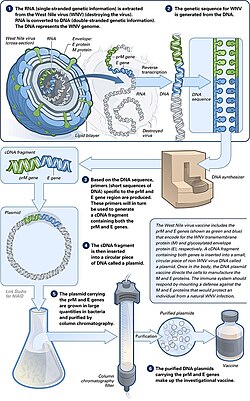
During her PhD research, Iwasaki challenged the prevailing scientific consensus regarding DNA vaccines. At the time, it was believed that muscle cells were essential for alerting the immune system to antigens—the foreign proteins coded by vaccines—because these vaccines are most effective when injected into muscle tissue. However, Iwasaki was among the first to demonstrate that the critical antigen-presenting cells were actually located in the blood, not the muscle.
Innovative Vaccination Strategies and Clinical Applications
To improve the efficacy of immune responses, Iwasaki developed a novel two-stage approach known as the "prime and pull" strategy. This method begins with a conventional vaccine (the prime) and is followed by the application of chemokines—signaling proteins that attract immune cells—directly to the target tissue (the pull).
This strategy has led to the development of a vaccine currently in clinical trials designed to treat women with precancerous cervical lesions, with the ultimate goal of preventing cervical cancer. Beyond vaccines, Iwasaki has advocated for using the beneficial aspects of inflammation to treat chronic conditions such as diabetes, heart disease, and stroke through her role on Yale University's Science Strategy Committee.
Broadening the Scope of Viral Research
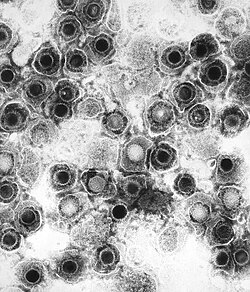
Iwasaki's laboratory conducts extensive research on various pathogens to understand how they interact with the immune system in specific environments. This includes studying influenza in the lungs and the herpes simplex virus in the genital tract.
Her work has expanded to include the human rhinovirus and the Zika virus, where her team achieved a milestone by creating the first mouse model of a vaginal Zika infection. Additionally, a 2015 study published in the Proceedings of the National Academy of Sciences explored how temperature affects innate defenses against the common cold virus in mouse airway cells.
Recent Focus on COVID-19
In response to the global pandemic, Iwasaki has shifted focus toward SARS-CoV-2. Her current research examines the immune responses of COVID-19 patients, specifically looking at sex differences in infection and the long-term impacts of Long COVID and other post-acute infection syndromes.
Research Impact Summary
| Focus Area | Key Contribution/Finding | Significance |
|---|---|---|
| DNA Vaccines | Antigen-presenting cells found in blood | Corrected understanding of vaccine mechanism |
| Vaccine Design | "Prime and Pull" strategy | Clinical trials for cervical cancer prevention |
| Zika Virus | Vaginal infection mouse model | First of its kind for Zika research |
| Toll-like Receptors | Nature Immunology publication (2004) | Over 5,300 citations as of August 2023 |
Frequently Asked Questions
What is the "prime and pull" vaccination strategy?
It is a two-step process where a conventional vaccine is administered first to prime the immune system, followed by the application of chemokines to the target tissue to pull immune cells to the specific site of potential infection.
How did Iwasaki change the understanding of DNA vaccines?
She showed that antigen-presenting cells, which alert the immune system to foreign proteins, are located in the blood rather than the muscle cells, contrary to previous scientific beliefs.
What are the current applications of her cervical cancer research?
Her research has led to a vaccine currently in clinical trials aimed at treating women with precancerous lesions in the cervix to prevent the development of cervical cancer.
What recent work has she done regarding COVID-19?
Iwasaki is currently investigating the immune responses of COVID-19 patients, focusing on sex differences in SARS-CoV-2 infection and the mechanisms behind Long COVID.
Which of her publications is most cited?
Her 2004 paper titled "Toll-like receptor control of the adaptive immune response," published in Nature Immunology, has been cited over 5,300 times as of August 2023.