Invader Zim: The Cult Classic of Dark Comedy and Sci-Fi
Invader Zim is a unique blend of black comedy, horror comedy, and science fiction that defied the traditional norms of children's programming. Created by Jhonen Vasquez, the series follows the misadventures of an alien invader who believes he has been chosen to conquer Earth, despite being largely ignored or misunderstood by the inhabitants of the planet.
The show is celebrated for its distinct visual style and absurdist humor, carving out a niche as a cult classic that appeals to both animation enthusiasts and fans of dark, slapstick comedy.

Key Facts
- Creator: Jhonen Vasquez.
- Original Run: March 30, 2001 – December 10, 2002.
- Network: Originally aired on Nickelodeon, later on Nicktoons Network.
- Format: 2 seasons consisting of 27 episodes (46 segments) plus a pilot.
- Major Accolades: Won a Primetime Emmy for Outstanding Individual Achievement in Animation.
- Revival: Expanded into a comic book series and a Netflix film, Invader Zim: Enter the Florpus.
Production and Creative Vision
The series was brought to life through the collaboration of Nickelodeon Animation Studio and Wumberlog Productions (for the pilot). Directed by Steve Ressel and Jordan Reichek, the show utilized a specific aesthetic that mirrored Vasquez's indie comic roots.
Voice Acting and Sound
The auditory identity of the show is as iconic as its visuals. Richard Steven Horvitz provided the voice for the titular character, Zim, after being the third and final casting choice for the role. The cast also included Rosearik Rikki Simons, Andy Berman, and Melissa Fahn.
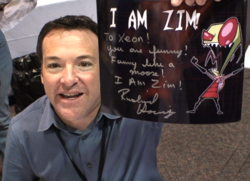
The music, composed by Kevin Manthei and Mark Tortorici, added to the atmospheric tension and comedic timing of the episodes. The sound editing was highly regarded, eventually earning a nomination at the Golden Reel Awards.
Challenges and Censorship
Due to its dark themes, the production faced various challenges. One notable instance involved "Bloody GIR," a segment that highlighted the friction between the show's edgy tone and network standards. Despite its creative success, the series was eventually canceled in 2002.
Characters and World-Building
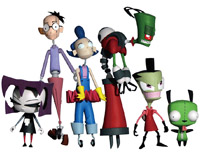
The narrative centers on a small cast of eccentric characters who drive the plot's chaotic energy.
- Zim: An Irken invader obsessed with conquering Earth.
- GIR: Zim's malfunctioning, hyperactive robot assistant.
- Dib Membrane: A paranormal investigator and Zim's primary human adversary.
- Gaz Membrane: Dib's sister, known for her cynicism and gaming habits.

Legacy and Expansion
Although its original run was short, Invader Zim maintained a massive following. This legacy led to the creation of InvaderCON, a fan convention dedicated to the series, and a wide array of merchandise, including highly collectible figurines from Palisades Toys.
The franchise expanded beyond the television screen with a comic book series and the 2019 Netflix movie, Invader Zim: Enter the Florpus, which saw Richard Horvitz return to voice Zim, earning a nomination for Best Voice Acting in an Animated Feature Production at the 47th Annie Awards.
| Category | Details |
|---|---|
| Genres | Black Comedy, Horror Comedy, Sci-Fi, Slapstick |
| Episodes | 27 Episodes (46 Segments) + 1 Pilot |
| Key Cast | Richard Horvitz, Rosearik Rikki Simons, Andy Berman |
| Major Awards | Primetime Emmy, Annie Awards, World Animation Celebration Awards |
| Spin-offs | Comics, Enter the Florpus (Film) |
Frequently Asked Questions
Who created Invader Zim?
The series was created by Jhonen Vasquez, who also served as an executive producer.
Why was Invader Zim canceled?
While the source does not specify a single reason, it notes that the show faced challenges and censorship due to its dark humor and tone before being canceled in 2002.
Is there a movie based on the series?
Yes, a Netflix film titled Invader Zim: Enter the Florpus was released as a revival of the franchise.
Who voices the character of Zim?
Zim is voiced by Richard Horvitz, who also reprised the role in the Netflix movie.
Did the show win any awards?
Yes, it won a Primetime Emmy for Outstanding Individual Achievement in Animation (Kyle Menke) and an Annie Award for Storyboarding (Steve Ressel), among other honors.