Preserving the Digital Age: An Inside Look at the Internet Archive
In an era where digital content can vanish with a single click, the Internet Archive stands as a vital guardian of human knowledge. Founded on May 10, 1996, by Brewster Kahle, this nonprofit organization operates as a massive digital library, dedicated to providing "universal access to all knowledge." From the ephemeral pages of websites to rare physical media, the Archive works tirelessly to prevent a "digital dark age"—a period where future generations might lose access to the cultural and historical records of our time.
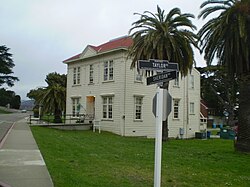
Key Facts
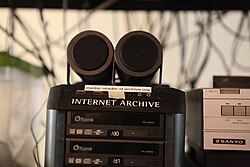
- Founded: May 10, 1996
- Founder & Chairman: Brewster Kahle
- Headquarters: San Francisco, California
- Primary Mission: Digital preservation and universal access to knowledge
- Core Services: Wayback Machine, Open Library, and Archive-It
- Status: Active nonprofit digital library
The Mission and Evolution of a Digital Library

The Internet Archive is much more than a simple website; it is a complex ecosystem of preservation services. At its heart is the Wayback Machine, a service launched in 2001 that allows users to see how websites looked at specific points in the past. This tool is essential for researchers, historians, and journalists tracking the evolution of digital discourse.

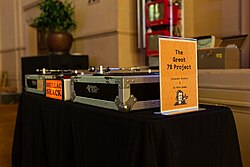
Beyond web snapshots, the organization manages a vast array of collections. These include the Open Library, which aims to create a web page for every book ever published, and Archive-It, a service designed to help organizations preserve their own digital footprints. The Archive's reach extends to specialized collections such as NASA images, the Prelinger Archives, and the Great 78 Project, which focuses on preserving 78 rpm records.
Diverse Media Collections
The Archive does not limit itself to text and web pages. It actively preserves a wide spectrum of media to ensure a holistic historical record:
- Audio: Including the Live Music Archive and the Digital Library of Amateur Radio and Communications.
- Video: Featuring the Machinima Archive and moving image collections.
- Images: Such as the Cover Art Archive and USGS Maps.
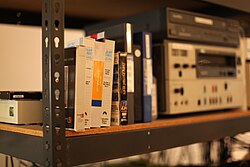
- Physical Media: The organization also manages microfilm, videocassettes, and other legacy formats.
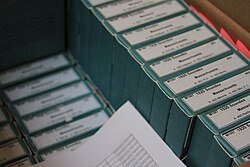
Operations and Infrastructure
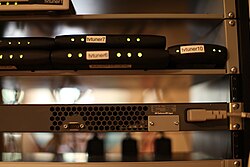
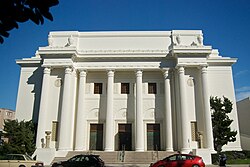
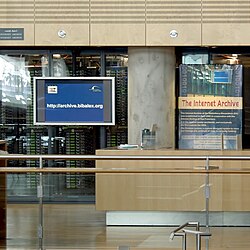
Maintaining a library of this scale requires immense technical and physical resources. The Internet Archive operates out of its headquarters in the Richmond District of San Francisco. The facility houses significant server infrastructure to manage the petabytes of data being ingested every year.
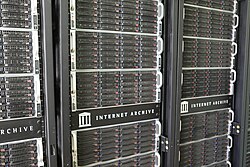
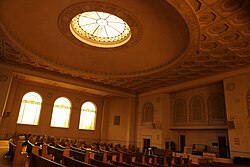
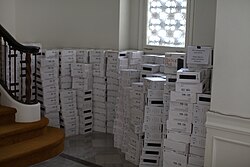
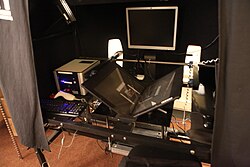
To expand its capacity, the organization frequently invests in additional storage. The process of digitization is also a hands-on endeavor, utilizing specialized workstations like the "Scribe" system to scan books and other physical documents into digital formats.

Global Presence and Specialized Tools
While centered in San Francisco, the Internet Archive has a global footprint, with branches in Canada (Vancouver), Europe (Amsterdam), and Switzerland (St. Gallen). They also experiment with futuristic concepts like the Wayforward Machine, which attempts to imagine the future of the web.
Financial Overview
As a nonprofit, the Internet Archive's operations are funded through various means, reflected in its annual revenue and assets. The following table provides a snapshot of the organization's financial trajectory based on historical tax filings.
| Year | Revenue | Expenses | Total Assets | Total Liabilities |
|---|---|---|---|---|
| 2011 | $13.4M | $14.3M | $3.32M | $984k |
| 2017 | $17.8M | $18.5M | $4.02M | $2.15M |
| 2021 | $29.4M | $25.3M | $10.8M | $7.65M |
| 2024 | $26.8M | $23.5M | $10.7M | $9.75M |
Challenges and Controversies
The path of digital preservation is not without obstacles. The Internet Archive has faced significant legal challenges, particularly regarding copyright issues. Major lawsuits from book and music publishers have questioned the legality of its digital lending practices, such as the "National Emergency Library" initiative launched in 2020.
In addition to legal battles, the organization must defend against cybersecurity threats. In 2024, the Archive experienced significant DDoS (Distributed Denial of Service) attacks and a data breach that impacted millions of users, highlighting the ongoing struggle to protect digital heritage from malicious actors.
Frequently Asked Questions
What is the Wayback Machine?
The Wayback Machine is a service provided by the Internet Archive that allows users to view archived versions of web pages from the past, helping to track how websites have changed over time.
Is the Internet Archive a commercial company?
No, the Internet Archive is a nonprofit organization dedicated to providing free, universal access to digital information.
What is the Open Library?
Open Library is an initiative by the Internet Archive that aims to create a web page for every book ever published and to provide access to them through digital lending.
How does the Internet Archive handle copyright?
The Internet Archive has faced various legal disputes with publishers regarding its digital lending and scanning practices. It continues to navigate these complex legal landscapes to balance preservation with copyright law.
Has the Internet Archive been affected by cyberattacks?
Yes, in 2024, the Internet Archive faced significant DDoS attacks and a data breach that exposed records for approximately 31 million users.