Institution of Engineering and Technology (IET) History and Evolution
The landscape of modern engineering is shaped by professional bodies that standardize practice and foster innovation. Among the most influential is the Institution of Engineering and Technology (IET), an organization whose roots stretch back to the dawn of the telegraph era. From its humble beginnings as a small society of specialists to becoming a global leader in professional engineering, the IET's journey reflects the rapid evolution of electrical and electronic technologies.
The Early Years: From Telegraphs to Electrical Engineering
The organization began its journey in 1871, originally established as the Society of Telegraph Engineers. As the scope of the field expanded to include broader electrical applications, the society updated its identity to the Society of Telegraph Engineers and Electricians in 1880. By 1888, it officially became the Institution of Electrical Engineers (IEE).
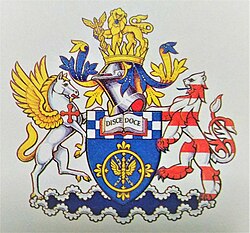
A significant milestone in the institution's formal recognition occurred in 1921, when it was incorporated by a Royal Charter, a formal document granting the organization legal status and prestige under the British monarchy.
Growth and Strategic Mergers
Throughout the 20th century, the IEE expanded its reach and influence. In 1988, the IEE merged with the Institution of Electronic and Radio Engineers (IERE). The IERE had its own distinct history, having been founded in 1925 as the British Institution of Radio Engineers (Brit IRE).
By the mid-2000s, the IEE had grown into the largest professional engineering society in Europe, boasting a global membership of approximately 120,000 professionals.

The Formation of the IET
To better reflect the converging nature of electrical, electronic, and incorporated engineering, discussions began in 2004 regarding a merger with the Institution of Incorporated Engineers (IIE). Following a vote by the membership, the IEE and IIE officially merged on March 31, 2006, creating the current Institution of Engineering and Technology (IET).
Key Facts
- Founded: 1871 (as the Society of Telegraph Engineers).
- Royal Charter: Granted in 1921.
- Peak IEE Size: Approximately 120,000 worldwide members by the mid-2000s.
- Final Merger: Formed the IET on March 31, 2006, through a merger of the IEE and IIE.
- Headquarters: Located at Savoy Place on the Victoria Embankment since 1909.
Institutional Evolution Summary
| Year | Organization Name / Event | Significance |
|---|---|---|
| 1871 | Society of Telegraph Engineers | Foundation of the organization |
| 1880 | Society of Telegraph Engineers and Electricians | Expansion of scope to include electricians |
| 1888 | Institution of Electrical Engineers (IEE) | Adoption of the IEE name |
| 1921 | Royal Charter | Official incorporation |
| 1988 | IEE and IERE Merger | Integration of electronic and radio engineering |
| 2006 | Institution of Engineering and Technology (IET) | Merger of IEE and IIE |
Frequently Asked Questions
When was the IET formed?
The Institution of Engineering and Technology (IET) was officially formed on March 31, 2006, following the merger of the IEE and the IIE.
What was the IEE's original name?
The IEE was originally founded in 1871 as the Society of Telegraph Engineers.
Which organization merged with the IEE in 1988?
In 1988, the IEE merged with the Institution of Electronic and Radio Engineers (IERE), which was originally founded in 1925 as the British Institution of Radio Engineers.
Where is the IET headquartered?
The organization has been headquartered at Savoy Place on the Victoria Embankment since 1909.
How large was the IEE before it became the IET?
By the mid-2000s, the IEE was the largest professional engineering society in Europe, with a worldwide membership of around 120,000.