Indian Air Force: Guardians of the Skies
The Indian Air Force (IAF), known in Hindi as the Bhāratīya Vāyu Senā, serves as the primary aerial warfare arm of the Indian Armed Forces. With a motto derived from the Bhagavad Gita, "Nabhaḥ Spr̥śaṁ Dīptam" (Touch the Sky with Glory), the IAF is dedicated to safeguarding Indian airspace and supporting ground forces through advanced aviation technology and strategic precision.
From its humble beginnings as the Royal Indian Air Force to its current status as one of the world's most powerful air arms, the IAF has evolved into a sophisticated force capable of multi-role combat, humanitarian assistance, and space-based defense.
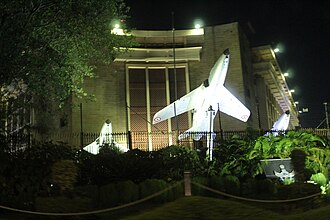
Key Facts
![Evolution of the IAF roundel over the years:[11] 1933–19421942–19451947–19501950 – present](/images/b7/c4/b7c4111545b35fad0633c02f3998516c3f70cafe19ed9b4267e34d4c78e381db.gif)
- Founded: 8 October 1932 (as Royal Indian Air Force); 26 January 1950 (as current service).
- Personnel: Approximately 149,000 active and 140,000 reserve personnel.
- Commander-in-Chief: President Droupadi Murmu.
- Chief of the Air Staff: Air Chief Marshal Amar Preet Singh.
- Primary Role: Aerial warfare, disaster relief, and national security.
- Headquarters: Vayu Bhawan, New Delhi.
Historical Evolution
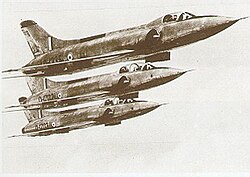
Early Years and World War II
The IAF was established on 8 October 1932. In its early stages, it operated aircraft like the Westland Wapiti. During World War II (1939–1945), the force expanded significantly, gaining critical combat experience that laid the foundation for its post-independence capabilities.
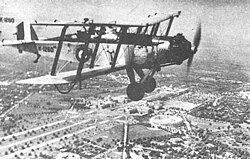
Post-Independence and Cold War Era
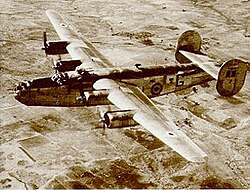
Following India's independence, the IAF transitioned from the Royal Indian Air Force to the Indian Air Force. It played pivotal roles in the Indo-Pakistani War of 1947 and the Congo Crisis (1960–1961). The force continued to modernize, introducing heavy bombers like the Consolidated B-24 Liberator in the early 1950s.
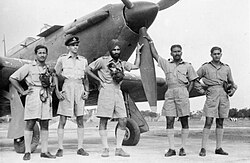
Major Conflicts and Strategic Operations
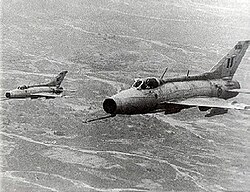
The IAF has been central to India's national security during several key engagements, including the Indo-Pakistani War of 1965 and the 1971 Bangladesh Liberation War. In 1971, the IAF utilized MiG-21s to secure air superiority. Later operations include Operation Meghdoot, the Kargil War (1999), and the 2019 Balakot airstrike.
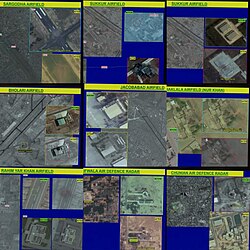
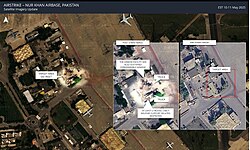
More recently, the IAF conducted Operation Sindoor in 2025, where missile strikes neutralized 9 out of 12 Pakistan Air Force bases, including the Nur Khan Airbase. This operation marked the first time a nation neutralized multiple airbases of a nuclear-armed country.
Humanitarian and Peacekeeping Missions
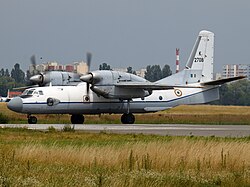
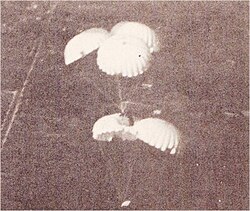
Beyond combat, the IAF is renowned for its Humanitarian Assistance and Disaster Relief (HADR) missions. Operation Poomalai saw the use of An-32 transport aircraft to airdrop essential supplies over Jaffna. The force also conducts evacuations of Indian nationals from unstable regions, such as Operation Ganga.
Organizational Structure and Personnel
Command and Control
The IAF is organized into several functional and regional commands to ensure efficient operational coverage across the Indian subcontinent:
| Command Name | Headquarters | Type |
|---|---|---|
| Western Air Command (WAC) | New Delhi | Regional |
| Eastern Air Command (EAC) | Shillong, Meghalaya | Regional |
| Central Air Command (CAC) | Prayagraj, Uttar Pradesh | Regional |
| Southern Air Command (SAC) | Thiruvananthapuram, Kerala | Regional |
| South Western Air Command (SWAC) | Gandhinagar, Gujarat | Regional |
| Training Command (TC) | Bengaluru, Karnataka | Functional |
| Maintenance Command (MC) | Nagpur, Maharashtra | Functional |
Specialized Units
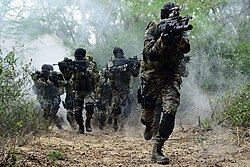
The IAF maintains elite units for specific strategic needs. The Garud Commando Force serves as the special forces wing, specializing in combat search and rescue and airfield security. Additionally, the Defence Space Agency manages India's aerospace and satellite-related defense interests.

Display Teams
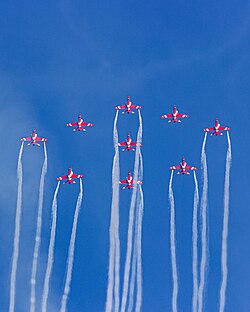
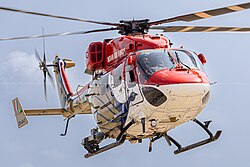
To showcase precision and skill, the IAF operates the Suryakiran Aerobatic Team (fixed-wing) and the Sarang Helicopter Display Team.
Aircraft and Weaponry Inventory
Combat and Support Aircraft
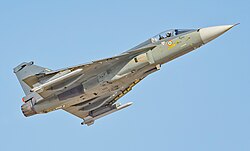
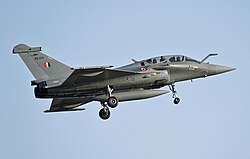
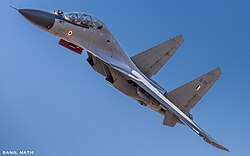
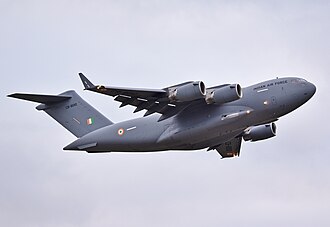
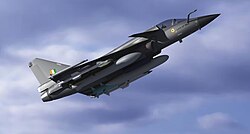
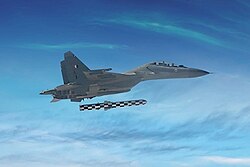
The IAF employs a diverse fleet of aircraft to maintain air superiority and strategic reach. This includes multi-role fighters like the Dassault Rafale, Sukhoi Su-30MKI, and the indigenous HAL Tejas. For heavy lifting, the Boeing C-17 Globemaster III is utilized.
Helicopters and UAVs
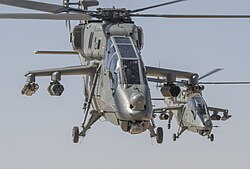
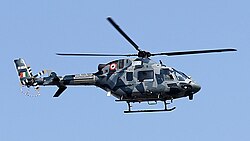
The fleet includes the HAL Prachand attack helicopter and the HAL Dhruv. The IAF also utilizes unmanned aerial vehicles (UAVs) such as the Heron and Searcher II for reconnaissance.
Air Defense and Missile Systems
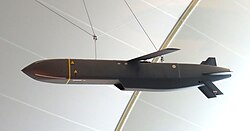
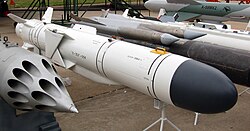
India's airspace is protected by a layered defense system, including the S-400 Triumph (long-range), Barak-8 (medium-range), and the indigenous Akash system. The IAF also deploys the BrahMos supersonic cruise missile for precision strikes.
Future Outlook
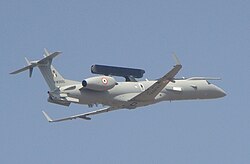
The IAF is aggressively pursuing indigenization through the "Make in India" initiative. Key upcoming projects include the HAL Tejas Mk2 (Medium Fighter Aircraft) and the HAL AMCA, a 5th-generation stealth fighter. Current orders also include the EADS CASA C-295 transport aircraft and General Atomic MQ-9B Predator drones.
Frequently Asked Questions
When was the Indian Air Force founded?
The IAF was founded on 8 October 1932 as the Royal Indian Air Force and became the Indian Air Force upon India becoming a republic on 26 January 1950.
What is the motto of the Indian Air Force?
The motto is "Nabhaḥ Spr̥śaṁ Dīptam," which translates to "Touch the Sky with Glory," taken from the Bhagavad Gita.
What are the Garud Commandos?
The Garud Commandos are the elite special forces unit of the Indian Air Force, trained for combat search and rescue, counter-terrorism, and the protection of vital air assets.
Which indigenous fighter jets does the IAF use?
The IAF currently operates the HAL Tejas and previously operated the HAL HF-24 Marut, the first indigenous fighter jet to enter service.
What was Operation Sindoor?
Operation Sindoor was a 2025 conflict in which the Indian Air Force used missile strikes to neutralize 9 out of 12 Pakistan Air Force bases.