Humane World for Animals: The Evolution and Impact of the Humane Society of the United States
Founded on November 22, 1954, as the National Humane Society, the organization now known as Humane World for Animals (formerly the Humane Society of the United States) has spent over seven decades as a cornerstone of animal protection in North America. Established by Fred Myers, Helen Jones, Larry Andrews, Marcia Glaser, and Oliver M. Evans, the organization was created to address animal cruelty on a national scale through a combination of education, science, and legal action.
Operating as a 501(c)(3) nonprofit, the organization employs a multi-faceted approach to welfare. Rather than focusing solely on direct care, it utilizes public policy, litigation, and science-based analysis to create systemic changes in how animals are treated in laboratories, farms, and homes.

Key Facts
- Founded: November 22, 1954.
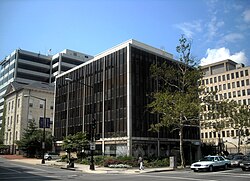
- Headquarters: Washington, D.C.
- Current Leadership: Kitty Block (President and CEO).
- Core Methods: Litigation, public education, science-based analysis, and direct care.
- Financial Scale: Reported revenue of US$ 135,499,050 in 2014.
- Scope: Operates various arms including Humane Society International and the Humane Society Legislative Fund.
Organizational History and Growth
In its early years, the organization focused on foundational animal welfare issues, including the push for humane slaughter legislation and the banning of animal experimentation. Over time, it expanded its reach to include the exposure of cruelty within the dog trade and the improvement of companion animal shelters.
Under the tenure of former CEO Wayne Pacelle, the organization significantly expanded its political and legislative influence. This era saw the creation of a dedicated animal protection litigation section and an increase in corporate outreach to encourage companies to adopt more ethical animal standards.
Major Campaigns and Investigations
The organization has led several high-profile initiatives to expose abuse and change industry standards:
- Puppy Mills: Extensive campaigns against Petland and other commercial breeding facilities to end the practice of puppy mills.
- Industrial Farming: Investigations into the Westland Meat Packing Company and initiatives to move the United Egg Producers toward cage-free environments.
- Wildlife Protection: Campaigns against the Canadian seal cull and efforts to ban internet hunting.
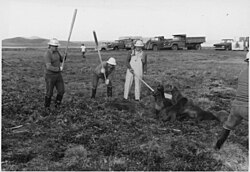
- Emergency Response: Large-scale animal rescue operations during Hurricane Katrina.
Programs and Strategic Focus
The organization divides its work across several critical domains to ensure a comprehensive approach to animal welfare.
Companion Animals and Wildlife
Beyond fighting puppy mills, the organization provides resources for low-income pet owners and advocates for the protection of wildlife. This includes managing the Humane Society Wildlife Land Trust to preserve natural habitats.
Science and Policy
The Humane Society Institute for Science and Policy ensures that the organization's advocacy is grounded in empirical data. This scientific approach is used to challenge the use of animals in research, testing, and education.
Global and Specialized Arms
To extend its reach, the organization operates several affiliated entities:
- Humane Society International: Focuses on global animal welfare issues.
- Humane Society Legislative Fund: Handles political lobbying and legislative initiatives.
- Doris Day Animal League & The Fund for Animals: Specialized funds for animal protection.
- Humane Society Veterinary Medical Association: Provides professional veterinary expertise.
Governance and Public Reception
As one of the largest animal welfare organizations in the world, it has faced scrutiny regarding its financial management and strategic priorities. Critics, including the Center for Consumer Freedom and various industry groups, have raised allegations regarding the misappropriation of funds—specifically concerning Hurricane Katrina rescues—and the accuracy of fundraising materials.
The organization has also been involved in complex legal battles, such as litigation with Feld Entertainment and disputes over its stance on horse slaughter. Despite these controversies, it remains a primary driver of animal welfare legislation in the United States.
| Category | Details |
|---|---|
| Legal Status | 501(c)(3) Nonprofit |
| Primary Location | Washington, D.C. |
| Key Focus Areas | Farm animals, companion animals, wildlife, and lab animals |
| 2014 Revenue | US$ 135,499,050 |
| 2014 Staffing | 528 Employees / 1,520 Volunteers |
Frequently Asked Questions
What is the difference between the Humane Society of the United States and local shelters?
While many local shelters use the word "humane" in their name, Humane World for Animals (formerly HSUS) is a national organization focused on large-scale policy, litigation, and systemic change, rather than operating every local shelter.
How does the organization fight puppy mills?
The organization uses a combination of undercover investigations, public awareness campaigns, and litigation to expose cruel breeding conditions and pressure retailers to stop sourcing dogs from puppy mills.
What is the role of the Humane Society Legislative Fund?
The Legislative Fund is the political arm of the organization, focusing on endorsing candidates and lobbying for laws that protect animals and punish abusers.
Does the organization provide direct animal care?
Yes, while much of its work is focused on policy and law, it also engages in direct care, such as emergency rescue operations during natural disasters like Hurricane Katrina.
What is the Humane Society Institute for Science and Policy?
It is the research arm of the organization that provides science-based analysis to support their campaigns and ensure that animal welfare policies are based on factual evidence.