Horse Sacrifice Rituals Across Ancient Cultures
Throughout human history, the horse has been revered as a symbol of power, nobility, and divine connection. In several ancient civilizations, this reverence culminated in the practice of horse sacrifice—complex rituals designed to legitimize political power, ensure agricultural fertility, or appease the gods. From the sprawling plains of Vedic India to the forests of Germanic Europe, these ceremonies served as pivotal moments of social and spiritual transition.
Key Facts
- Ashvamedha was a Vedic political ritual used to establish a king's undisputed rule over a territory.
- The Roman Equus October ceremony dedicated a winning chariot horse to Mars, the god of war.
- Germanic blót involved sacrificing horses and cattle, with the blood used for sanctification and the meat for communal feasts.
- Accounts of Irish horse sacrifice, specifically among the kings of Tyrconnell, are documented by Gerald of Wales, though some historians view these as political propaganda.
Vedic India: The Ashvamedha
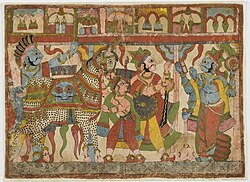
The Ashvamedha was a sophisticated political and religious ritual focused on the right of a king to rule. This ceremony was specifically connected to the inauguration or elevation of a member of the Kshatriya varna (the warrior class). Typically performed in spring or early summer, the ritual began with the selection of a stallion that had won a race on the right side of a chariot. The ideal horse was white with dark circular spots, a dark front, or a tuft of dark blue hair.
The ritual process was an endurance test of sovereignty. The stallion was permitted to wander for one year, accompanied by the king's attendants. If the horse entered an enemy's land, that territory was claimed by the king. However, if the horse's attendants were killed by a challenger, the king lost his right to rule. If the horse survived the year, it returned to court to be bathed in water mixed with mustard and sesame, consecrated with butter, and decorated with gold.
The final sacrifice involved suffocating the stallion alongside a hornless ram and a he-goat. The horse was then dissected along specific "knife-paths" using three knives made of gold, copper, and iron. These portions were awarded to deities representing the Sky, Atmosphere, and Earth, while priests recited Vedic verses to seek healing and rejuvenation for the animal.
The Roman Equus October
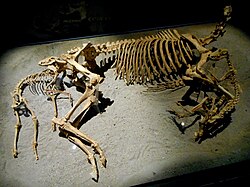
In ancient Rome, the Equus October was a ritual dedicated to Mars, the god of war. While the primary sacrifice took place on the Ides of October, the ritual was also integrated into the Parilia, a spring festival. The victim was determined through two-horse chariot races; the right-hand horse of the winning team was selected for sacrifice.
The ritual concluded with the dismemberment of the horse. The tail (referred to as the cauda, which may have been a euphemism for the penis) was taken to the Regia, the residence of the king. Meanwhile, two competing factions fought for possession of the horse's head, which was believed to serve as a talisman for the following year.
Irish Kingship and the White Mare
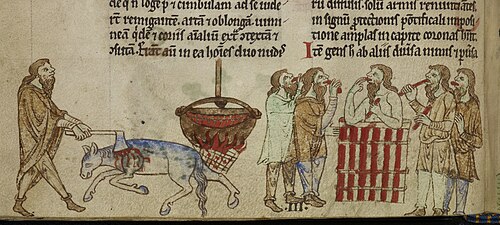
Historical accounts of horse sacrifice in Ireland come largely from the 12th-century Norman writer Gerald of Wales in his work Topographia Hibernica. He described a "savage" ritual used by the kings of Tyrconnell in Ulster to install a new ruler. According to Gerald, a white mare was sacrificed and boiled in water to create a broth.
The prospective king would bathe in this water and consume the flesh of the mare and the broth directly with his mouth, without the use of a vessel or his hands. Once completed, his sovereignty was considered consecrated. While some scholars argue this account was propaganda intended to justify the Anglo-Norman conquest by depicting the Irish as barbarians, others note that similar kingship rituals existed in Scandinavia and India.
Germanic Paganism and the Blót
In Germanic paganism, horse sacrifice was a central element of the blót (a sacrificial feast). Unlike some rituals focused solely on political legitimacy, these were often communal events where the meat was consumed by the participants. The saga of Hákon the Good in Heimskringla provides a detailed account where horses and cattle were slaughtered, and their blood was sprinkled over the walls of the hof (temple).
Archaeological evidence from the Early Medieval Period in England and Scandinavia supports these accounts, revealing deposits of horses that show signs of having been eaten. Some inscriptions, such as those on the Stentoften Stone, suggest these sacrifices were intended to bring fertility to the land.
![The Stentoften Stone, bearing a runic inscription that likely describes a blót of nine he-goats and nine male horses bringing fertility to the land[14]](/images/fb/4b/fb4b2ad45427b6ac264ceebd4f1d83bf3531932e956858d42cb1efdf73f567aa.jpg)
Comparative Summary of Horse Rituals
| Culture | Primary Purpose | Key Animal Characteristics | Key Ritual Action |
|---|---|---|---|
| Vedic (Indian) | Political Sovereignty | White stallion with dark spots | One-year wandering; dissection by three metals |
| Roman | Military/Divine Favor | Winning chariot horse (right side) | Dismemberment; head used as talisman |
| Irish | Royal Inauguration | White mare | Bathing in and drinking mare broth |
| Germanic | Fertility and Community | Horses and cattle | Blood sprinkling; communal meat feast |
Frequently Asked Questions
What was the purpose of the Ashvamedha ritual?
The Ashvamedha was a political ritual used by Vedic kings to establish their undisputed right to rule. By allowing a stallion to wander for a year, the king claimed all territories the horse traversed without being challenged.
How was the victim chosen in the Roman Equus October?
The victim was selected through two-horse chariot races. The horse positioned on the right-hand side of the winning team was the one sacrificed to Mars.
Is the account of Irish horse sacrifice considered historically accurate?
It is debated. While Gerald of Wales documented the ritual of the kings of Tyrconnell, many historians believe he exaggerated the "beastly" nature of the act as propaganda to justify the Anglo-Norman conquest. However, similar rituals in other cultures suggest there may be a basis in truth.
What happened to the animals during a Germanic blót?
During a blót, horses and cattle were killed, and their blood was sprinkled on the walls of the temple (hof). The meat was then cooked and eaten by the attendants in a communal feast.
Which metals were used in the Vedic horse dissection?
The stallion was dissected using three specific knives made from gold, copper, and iron, with the portions awarded to deities of the Sky, Atmosphere, and Earth.