Hittite Empire: The Bronze Age Power of Ancient Anatolia
The Hittites were an Anatolian Indo-European people who established one of the most formidable civilizations of the Bronze Age in West Asia. Emerging from the rugged landscapes of north-central Anatolia in the early 2nd millennium BC, they evolved from a collection of small polities into a sprawling empire that challenged the greatest powers of the ancient world, including Egypt and Assyria.
At its zenith during the mid-14th century BC, the empire encompassed most of Anatolia and extended into northern Syria and Upper Mesopotamia. This expansion was driven by strategic military innovation and a sophisticated administrative structure, centered in their legendary capital, Hattusa.
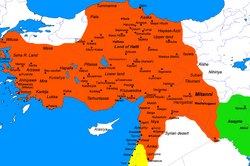
Key Facts
- Time Period: Approximately 1650 BC to 1200 BC.
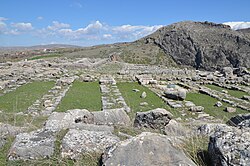
- Capital: Hattusa (modern Boğazkale, Turkey).
- Language: Hittite, the oldest written Indo-European language.
- Writing System: Cuneiform, adopted from the Assyrians of Upper Mesopotamia.
- Peak Ruler: Šuppiluliuma I, who expanded the empire to its greatest extent.
- Major Achievement: The Egypto-Hittite Peace Treaty, the earliest known surviving peace treaty.
Origins and Linguistic Roots
The ancestors of the Hittites arrived in Anatolia between 4400 and 4100 BC, marking the point where the Anatolian language family split from Proto-Indo-European (the ancestral language of most European and some Indian languages). While Proto-Anatolian speakers arrived as early as 5000 to 3000 BC, the specific Proto-Hittite language developed around 2100 BC.

Before the Hittites rose to dominance, central Anatolia was inhabited by the Hattians and Hurrians, who spoke non-Indo-European languages. The Hittites integrated these cultures, adopting elements of their religion and administration. They also interacted with Assyrian colonies, from whom they learned the cuneiform script—a system of wedge-shaped marks pressed into clay tablets.
![Scheme of Indo-European language dispersals from c. 4000 to 1000 BC according to the widely held Kurgan hypothesis.– Center: Steppe cultures1 (black): Anatolian languages (archaic PIE)2 (black): Afanasievo culture (early PIE)3 (black) Yamnaya culture expansion (Pontic-Caspian steppe, Danube Valley) (late PIE)4A (black): Western Corded Ware4B-C (blue & dark blue): Bell Beaker; adopted by Indo-European speakers5A-B (red): Eastern Corded ware5C (red): Sintashta (proto-Indo-Iranian)6 (magenta): Andronovo7A (purple): Indo-Aryans (Mittani)7B (purple): Indo-Aryans (India)[NN] (dark yellow): proto-Balto-Slavic8 (grey): Greek9 (yellow):Iranians– [not drawn]: Armenian, expanding from western steppe](/images/62/3b/623b08e03d05b6d653df633990c93ca42795ab8ed2aedfda733683a5a2fdf6a3.jpg)
The Rise and Fall of the Empire
The Hittite political trajectory began with early kingdoms such as Kussara (before 1750 BC) and Kanesh (c. 1750–1650 BC). By 1650 BC, these groups were unified under a central authority in Hattusa. The empire's growth was characterized by a transition from an absolute monarchy in the Old Kingdom to an elective monarchy during the Middle and New Kingdoms.
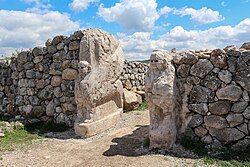
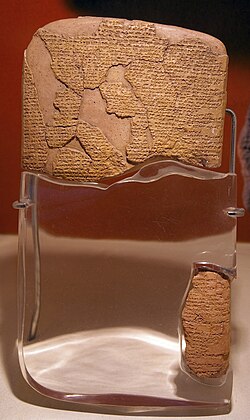
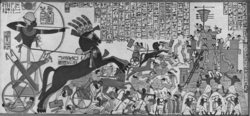
One of the most significant events in Hittite history was the conflict with Egypt, culminating in the Battle of Kadesh. This rivalry eventually led to the Egypto-Hittite Peace Treaty (c. 1258 BC) between Hattusili III and Ramesses II, a landmark document in the history of diplomacy.
The empire's collapse around 1200 BC remains a subject of historical study, with evidence suggesting a combination of internal instability and environmental factors, such as severe drought. Following the fall of Hattusa, the Hittite legacy persisted through the Syro-Hittite states in northern Syria and Anatolia, such as Carchemish, before they were eventually absorbed by the Neo-Assyrian Empire.
Governance, Law, and Society
The Hittites were noted for their organized legal system. The Hittite Law Code, preserved on baked clay tablets, consists of two main tablets with 186 articles each. These laws reflect a society that practiced legal reforms and maintained a structured approach to justice from the Old Kingdom (1650–1500 BC) through the New Kingdom (1500–1180 BC).
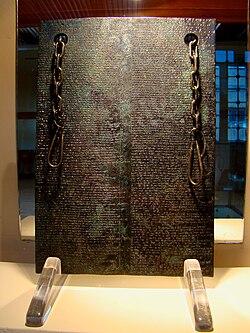
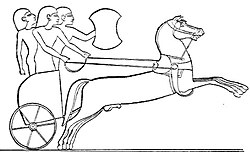
Politically, the empire utilized a body known as the Pankus, a legislative assembly that played a role in the governance of the state. Their economy was supported by agriculture and trade, while their military was renowned for its use of advanced chariots.
Art and Religion
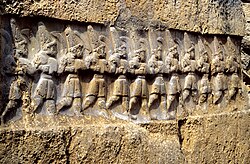
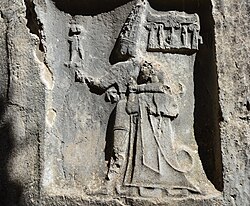
Hittite religion was a complex synthesis of their own beliefs and those of the Hattians and Hurrians. They worshipped a vast pantheon of gods, often associated with natural elements. The sanctuary of Yazılıkaya serves as a primary example of their religious art, featuring reliefs of the gods of the Underworld.
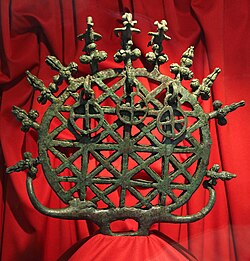
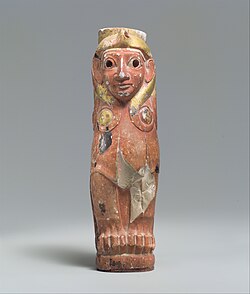
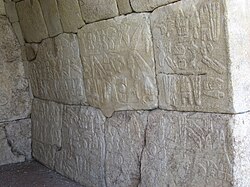
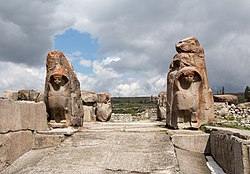
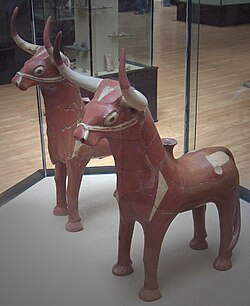
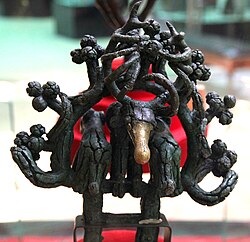
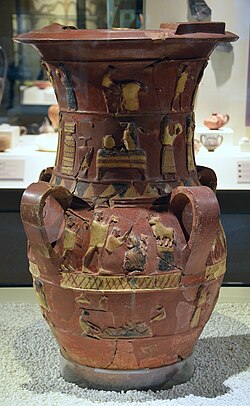
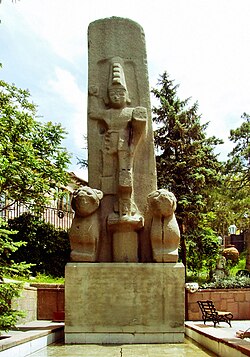
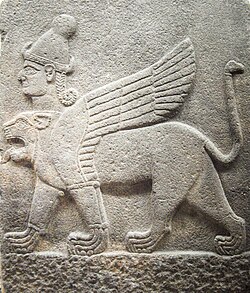
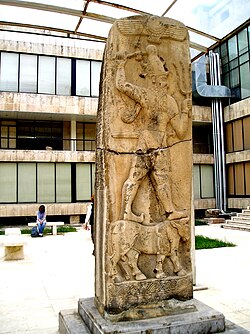
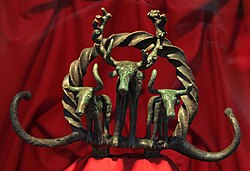
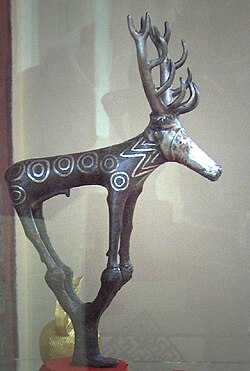
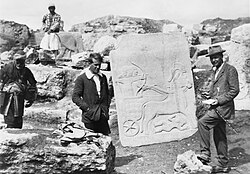
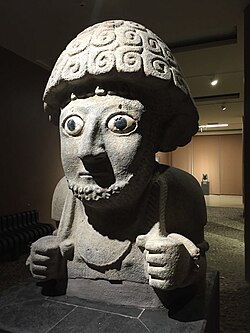
Their art is characterized by monumental stone carvings, ivory work, and intricate bronze standards. From the Sphinx Gate to the ceremonial vessels in the shape of sacred bulls, Hittite craftsmanship blended power with spiritual symbolism.
Summary of the Hittite Civilization
| Feature | Details |
|---|---|
| Timeline | c. 1650 BC – c. 1200 BC |
| Primary Capital | Hattusa |
| Language Family | Indo-European (Anatolian branch) |
| Government | Absolute monarchy $\rightarrow$ Elective monarchy |
| Key Rivals | Egypt, Assyria, Mitanni |
| Writing | Cuneiform (clay tablets) |
Frequently Asked Questions
Who were the Hittites?
The Hittites were an Indo-European people who established a powerful empire in ancient Anatolia (modern-day Turkey) during the Bronze Age, known for their military strength, legal codes, and early use of iron.
What is the significance of the Hittite language?
Hittite is historically significant as the oldest written Indo-European language, providing crucial evidence for the study of linguistic evolution and the dispersal of Indo-European peoples.
What was the Battle of Kadesh?
The Battle of Kadesh was a major clash between the Hittite Empire and the Egyptian Empire under Ramesses II. It eventually led to the signing of the first known surviving peace treaty in history.
How did the Hittites record their laws?
Hittite laws were recorded using cuneiform script on baked clay tablets. The Law Code consists of hundreds of articles that governed social and legal conduct across the kingdom.
What happened after the fall of the Hittite Empire?
After the collapse of the central authority in Hattusa around 1200 BC, several smaller Syro-Hittite states emerged in northern Syria and Anatolia before being incorporated into the Neo-Assyrian Empire.