Hay'at Tahrir al-Sham: Rise and Integration into the Syrian Armed Forces
Hay'at Tahrir al-Sham (HTS), known in Arabic as Heiyat Tahrir al-Sham (Levant Liberation Committee), was a dominant militant organization in the Syrian Civil War. From its formation in early 2017 to its dissolution in January 2025, the group evolved from a coalition of jihadist factions into a governing body in northwestern Syria, eventually merging into the national military structure following the collapse of the Assad regime.
The group's trajectory was marked by a shift from global Salafi jihadism toward a more localized focus on Syrian nationalism and political unitarism. Based primarily in the Idlib Governorate, HTS managed a complex balance of military aggression and civil administration before its final transition.
Key Facts
- Active Period: January 28, 2017, to January 29, 2025.
- Primary Leader: Abu Mohammad al-Julani.
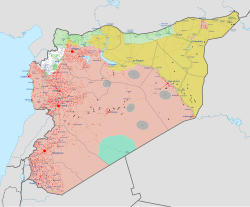
- Headquarters: Idlib Governorate, Syria.
- Final Status: Dissolved and merged into the Syrian Armed Forces.
- Ideology: Transitioned from Salafi jihadism to Sunni Islamism and Syrian nationalism.
- Peak Strength: Estimated between 10,000 and 31,000 fighters across various years.
Formation and Consolidation of Power
HTS was formed on January 28, 2017, through the merger of several prominent groups, including Jabhat Fatah al-Sham, Jaysh al-Sunna, and Liwa al-Haqq. The Nour al-Din al-Zenki Movement was also part of the merger from January to July 2017, and the Ansar al-Din Front remained affiliated until 2018.
In its early stages, the group's leadership was shared; Abu Jaber Sheikh served as the nominal emir and Shura council leader until October 2017, after which Abu Mohammad al-Julani assumed full leadership. During this consolidation phase, HTS engaged in numerous clashes with other rebel factions to establish hegemony over the Idlib region.
Military Operations and Strategic Shifts
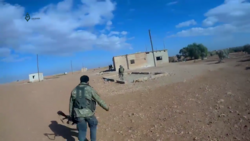
Throughout its existence, HTS participated in a vast array of conflicts. Early operations included the 2017 Hama offensive and various campaigns in Daraa and Quneitra. The group also fought against the Islamic State (IS) and faced interventions from the United States and Russia.
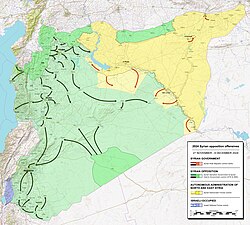
Between 2020 and 2022, HTS developed a complex relationship with Turkey, coordinating efforts in northwestern Syria. However, the group's most significant military achievement came during the 2024 Syrian opposition offensives. These operations, which included the Battle of Aleppo and offensives in Hama, Homs, and Deir ez-Zor, culminated in the fall of Damascus and the overthrow of the Assad regime in just 11 days.
Governance and Ideology
HTS did not only operate as a military force but also as a governing entity. It maintained allegiance to the Syrian Salvation Government from 2017 to 2024, and later the Syrian caretaker government until 2025. This administrative arm managed civil affairs in the territories it controlled.
Ideologically, the group moved away from its roots in global jihadism. While it began with a Salafi jihadist orientation, it shifted toward Sunni Islamism and a focus on Syrian national interests. This shift was partly an effort to gain legitimacy and distance itself from Al-Qaeda, leading to open conflicts between HTS and Al-Qaeda affiliates after 2020.
Organizational Summary
| Category | Details |
|---|---|
| Leader | Abu Mohammad al-Julani |
| Key Military Leaders | Murhaf Abu Qasra, Abu Ubeidah al-Kansafra |
| Primary Region | Idlib Governorate, Syria |
| Terrorist Designations | Turkey (2018), Russia (2020), Australia (2022), Argentina (2014) |
| Successor Entity | Syrian Armed Forces Internal Security Command |
Controversies and Human Rights
Despite its political evolution, HTS faced severe allegations of human rights violations. Reports from various monitors cited extrajudicial executions, arbitrary arrests, and the use of torture. The group was also accused of political repression, obstructing humanitarian aid, and committing violence against women and girls.
Furthermore, there were allegations of forced conversions and discrimination against religious minorities within the territories under HTS control, as well as the recruitment of children as participants in war.
Frequently Asked Questions
Who led Hay'at Tahrir al-Sham?
The primary leader was Abu Mohammad al-Julani. Earlier in the group's history, Abu Jaber Sheikh served as the nominal emir until October 2017.
What happened to HTS in January 2025?
On January 29, 2025, Hay'at Tahrir al-Sham was dissolved and merged into the Syrian Armed Forces following the collapse of the Assad regime.
Did HTS have a relationship with Al-Qaeda?
While HTS had historical roots linked to Al-Qaeda, it spent years distancing itself from the organization. By 2020, this tension evolved into active conflict between HTS and Al-Qaeda affiliates in Syria.
Which territories did HTS primarily control?
HTS was primarily based in and controlled significant portions of the Idlib Governorate in northwestern Syria.
How did HTS contribute to the fall of the Assad regime?
HTS played a leading role in the 2024 Syrian opposition offensives, capturing key cities including Aleppo and Hama, and eventually participating in the operations that led to the fall of Damascus.