Harajuku: Tokyo's Global Hub of Youth Culture and Fashion
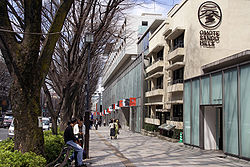
Located in the Shibuya ward of Tokyo, Harajuku is more than just a district; it is an international symbol of Japanese youth culture, avant-garde fashion, and creative expression. While officially mapped as Jingūmae 1 chōme to 4 chōme, the area popularly encompasses a vibrant network of backstreets, from the bustling energy of Takeshita Street to the sophisticated luxury of Omotesando.
Today, Harajuku serves as a fascinating study in contrasts. Visitors can find tiny, independent boutiques and themed cafés side-by-side with massive international flagship stores and high-end luxury brands. This unique blend of the eccentric and the elegant makes it one of Tokyo's most visited destinations for both domestic and international tourists.
Key Facts
- Location: Shibuya Ward, Tokyo, Japan.
- Primary Hubs: Takeshita Street (youth fashion), Omotesando (luxury), and Ura-Harajuku (independent trends).
- Major Landmarks: Meiji Shrine, Yoyogi Park, and the Yoyogi National Gymnasium.
- Transport: Served by JR East Yamanote Line (Harajuku Station) and Tokyo Metro Chiyoda and Fukutoshin Lines.
- Cultural Identity: Globally recognized as the center of Japanese street fashion and subcultures.
The Evolution of Harajuku
Pre-Edo and Edo Periods
Long before it became a fashion capital, Harajuku was a small post town on the Kamakura Highway. Historical records suggest that Minamoto no Yoshiie mustered soldiers here during the Gosannen War. By 1590, the areas of Onden-mura and Harajuku-mura were granted to the Iga ninja as a reward for ensuring Ieyasu Tokugawa's safe passage during the Honno-ji Incident.
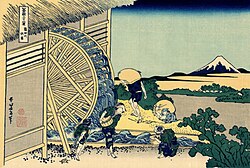
During the Edo period, the area's strategic location south of the Koshu Road led to the establishment of an Iga clan residence to defend Edo, alongside various mansions for shogunate retainers. Local life revolved around rice cleaning and flour milling using watermills on the Shibuya River, though the poor soil quality hindered agricultural prosperity.
Meiji Restoration to World War II
The landscape began to shift in 1868 when the land transitioned to the jurisdiction of the Tokyo Prefecture. The opening of Harajuku Station in 1906 as part of the Yamanote Line expansion increased accessibility. The establishment of the Meiji Shrine in 1919 led to the widening of Omotesando, which was designed as a formal approach route to the shrine.
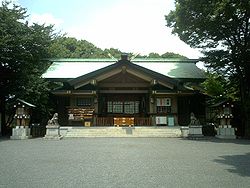
In 1943, the Tōgō Shrine was consecrated in honor of Marshal-Admiral Marquis Tōgō Heihachirō. However, much of the district's development was reset in 1945 when the Great Tokyo Air Raid burned large portions of the area to the ground.
Post-War Recovery and the Olympic Influence
Following the war, the area hosted "Washington Heights," military housing for US soldiers and their families on land that now comprises Yoyogi Park. This American presence sparked the opening of early international-style shops along Omotesando, such as Kiddyland and Oriental Bazaar.
The 1964 Tokyo Olympics brought global attention to the area with the construction of the Yoyogi National Gymnasium, designed by architect Kenzo Tange to host swimming, diving, and basketball events.
The Rise of a Fashion Mecca
The 1970s and 1980s: Youth Rebellion
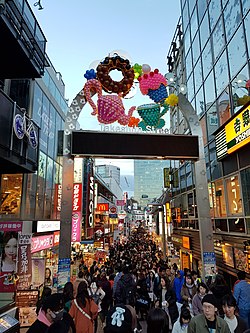
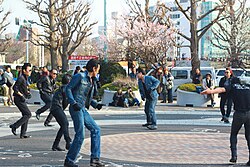
In the 1970s, the center of youth fashion shifted from Shinjuku to Harajuku. The opening of the Palais France building and later Laforet Harajuku in 1978 solidified the district's reputation as a retail powerhouse. By the 1980s, Takeshita Street became the stage for the takenoko-zoku, teenage street dancing groups.
A unique cultural phenomenon emerged from 1977 to 1998: the Sundays-only pedestrian precinct. This "Hokosha Tengoku" (Pedestrian Paradise) attracted crowds of up to 10,000 people who gathered near Yoyogi Park to watch rock 'n' roll bands and other impromptu performances.
The 1990s to the Present Day
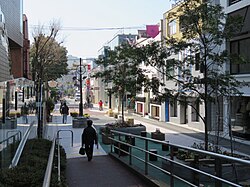
The 1990s and 2000s saw the arrival of "fast fashion" with flagship stores from brands like Gap, Uniqlo, and H&M. Simultaneously, a new trend emerged in the residential backstreets of Jingumae 3 and 4 chome, creating the area known as Ura-Harajuku (Harajuku Backstreets), characterized by independent trend shops.
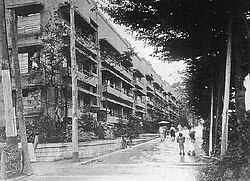
Modern landmarks like Omotesando Hills opened in 2006, replacing the historic Dōjunkai apartments. Transport was further enhanced in 2008 with the opening of the Tokyo Metro Fukutoshin Line.
Sightseeing and Local Landmarks
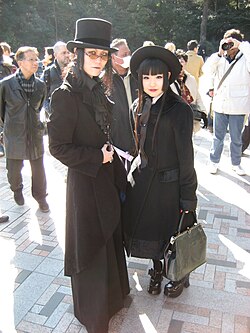
Harajuku remains a pilgrimage site for fans of theatrical street styles, such as Gothic Lolita and Aristocrat fashion, which were historically showcased at Jingu Bashi (the bridge between the station and Meiji Shrine).
Beyond fashion, the district offers significant cultural and spiritual sites:
- Meiji Shrine: A serene Shinto shrine dedicated to Emperor Meiji and Empress Shōken, nestled within a lush evergreen forest.
- Yoyogi Park: A massive urban park used for recreation and public gatherings.
- Museums: The Nezu Museum and the Ukiyo-e Ōta Memorial Museum of Art.
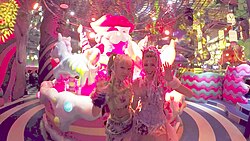
- Themed Dining: The Kawaii Monster Cafe, designed by Sebastian Masuda, is famous for its unique menus and aesthetic.
| Area | Primary Characteristic | Key Landmarks |
|---|---|---|
| Takeshita Street | Youth culture & quirky fashion | Independent boutiques, themed cafes |
| Omotesando | High-end luxury & architecture | Omotesando Hills, luxury flagships |
| Ura-Harajuku | Independent trends & street style | Cat Street, boutique shops |
| Meiji Shrine Area | Spirituality & nature | Meiji Shrine, Yoyogi Park |
Frequently Asked Questions
What is the difference between Harajuku and Jingumae?
Harajuku is the common name for the geographic area, while Jingumae is the official name used in the Japanese address system. The name Harajuku persisted largely because of the JR East Harajuku Station.
What is Ura-Harajuku?
Ura-Harajuku refers to the "backstreets" of Harajuku, specifically the residential areas of Jingumae 3 and 4 chome, which became popular for independent fashion trend shops.
What happened to the Sunday pedestrian zones?
The Sundays-only pedestrian precinct, which allowed crowds to gather for music and fashion displays, was abolished in 1998.
How do I get to Harajuku?
You can access the area via Harajuku Station on the JR East Yamanote Line or Meiji-jingumae 'Harajuku' Station via the Tokyo Metro Chiyoda and Fukutoshin Lines.
What are some of the best museums in the area?
The district is home to the Nezu Museum and the Ukiyo-e Ōta Memorial Museum of Art.