Hanseatic LeagueHansamedieval tradeLübeckBaltic Sea trade

Hanseatic League: The Medieval Trade Powerhouse of Northern Europe

Hanseatic League: The Medieval Trade Powerhouse of Northern Europe From the 13th to the 17th century, the Hanseatic League (or the Hansa) dominated the maritime trade of Northern Europe. ...

Hanseatic League: The Medieval Trade Powerhouse of Northern Europe

From the 13th to the 17th century, the Hanseatic League (or the Hansa) dominated the maritime trade of Northern Europe. This powerful commercial and defensive confederation of merchant guilds and market towns created a vast network that linked the Baltic and North Seas, effectively shaping the economic landscape of the Middle Ages.

Operating without a formal constitution or a centralized government, the League relied on mutual agreements and shared interests to secure trade privileges and protect its members from piracy and political interference. Its informal capital was Lübeck, and its primary language of communication, the lingua franca, was Middle Low German.
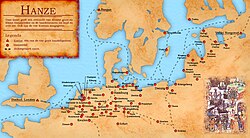
Map of the Hanseatic League, showing principal Hanseatic cities

Key Facts

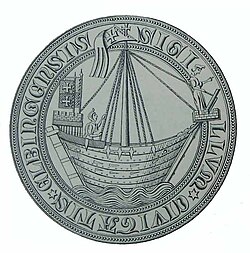
Hanseatic Seal of Elbing (now Elbląg)
  • Informal Capital: Lübeck, Germany.
  • Primary Language: Middle Low German.
  • Core Region: Baltic and North Sea coastal areas.
  • Key Infrastructure: The Kontor (foreign trading post) and the Cog (specialized cargo ship).
  • Architectural Legacy: Widespread use of Brick Gothic style in member cities.

The Rise and Expansion of the Hansa
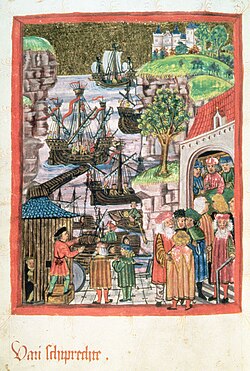
Foundation of the alliance between Lübeck and Hamburg in the part about ship law (Van schiprechte) in the Hamburg city right from 1497

The League began as a loose association of merchants and evolved into a sophisticated alliance of cities. By coordinating their efforts, Hanseatic merchants could negotiate better terms with foreign monarchs and protect their shipments from threats at sea.

Commercial Infrastructure and Shipping

The success of the Hansa was driven by technological innovation in shipbuilding. The Cog, a sturdy vessel with a flat bottom and a high capacity for cargo, allowed for the efficient transport of bulk goods across choppy northern waters.
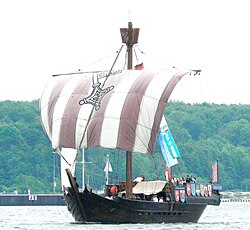
Ubena von Bremen, a replica of the Bremen cog

As the League grew, it introduced the Hulk and later the Carvel to further optimize maritime transport. These ships carried essential commodities between the east and west of Europe.
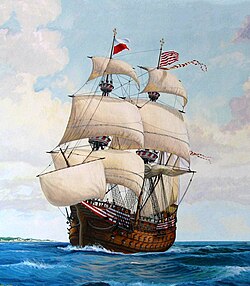
Modern, faithful painting of the Adler von Lübeck – the world's largest ship in its time

Major Trade Goods and Routes

The Hanseatic League acted as a bridge between the raw materials of the East and the manufactured goods of the West. Key imports and exports included furs, wax, timber, and grain from the Baltic regions, and cloth and salt from Western Europe.
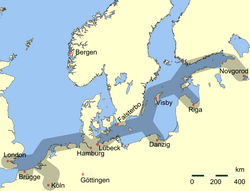
Main trading routes of the Hanseatic League

Hanseatic Trade Distribution and Volume (Sample Data)
Origin/Region Key Destinations Total Volume (Relative) Percentage of Trade
London/Hamburg Various 188 34.4%
Livonian Towns Riga, Reval (Tallinn) 95 17.4%
Scania Baltic Ports 82 14.9%
Prussian Towns Danzig, Elbing 48.5 8.9%
Wendish/Pomeranian Stettin, Stralsund, Rostock 42.4 7.8%

Organization and Governance

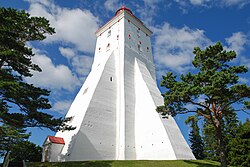
Kõpu Lighthouse in Hiiumaa

To manage its vast network, the League organized its member cities into regional divisions. Between 1356 and 1554, these were known as Drittel (Thirds), which were later reorganized into Quartiers (Quarters) after 1554.

The Regional Quarters

  • Wendish and Pomeranian: Led by Lübeck.
  • Saxon, Thuringian, and Brandenburg: Led by Brunswick or Magdeburg.
  • Prussia, Livonia, and Sweden (East Baltic): Led by Danzig (Gdańsk).
  • Rhine, Westphalia, and the Netherlands: Led by Cologne.
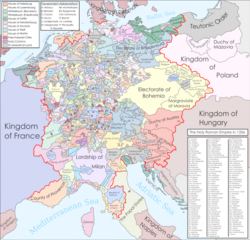
The Holy Roman Empire was a limited elective monarchy composed of hundreds of state-like entities.

The Kontors: Foreign Trading Hubs

The Kontor was a specialized foreign trading post that served as a warehouse, residence, and administrative center for Hanseatic merchants in non-member cities. The four most prominent Kontors were located in Novgorod (Peterhof), Bergen (Bryggen), Bruges, and London (the Steelyard).
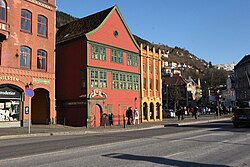
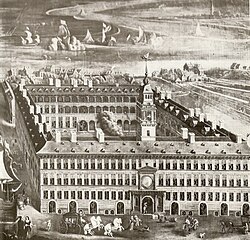
Hanseatic Museum and Schøtstuene in Bergen, Norway

The Oostershuis, a kontor in Antwerp

Cultural and Architectural Legacy

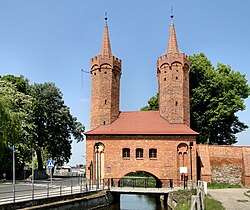
Stargard Mill Gate, Pomerania, today in Poland

The wealth generated by the Hansa left a permanent mark on the landscape of Northern Europe. This is most evident in Brick Gothic architecture, characterized by the use of red brick in massive churches and civic buildings due to the lack of natural stone in the region.
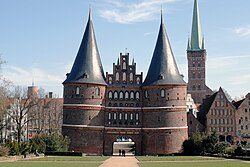
The Holstentor of Lübeck, built in 1464, is the only historic gate of the city still standing today.

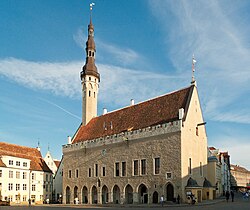
Notable examples include the St. Nikolai Church and City Hall in Stralsund, as well as the Town Hall of Reval (Tallinn). The old towns of Stralsund and Wismar are now recognized as UNESCO World Heritage Sites.
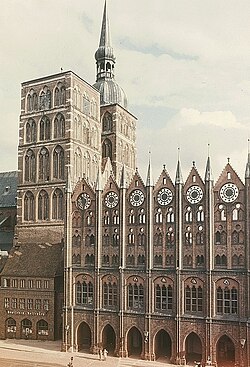
The Hanseatic League left a significant cultural and architectural heritage. It is especially renowned for its Brick Gothic monuments, such as Stralsund's St. Nikolai Church (built in the 13th-14th centuries, with some later additions) and its City Hall (built c. 1230-1444), shown here. The old town of Stralsund, together with Wismar, is a UNESCO World Heritage Site.

Town Hall of Reval (now Tallinn, Estonia)

The Decline of the League

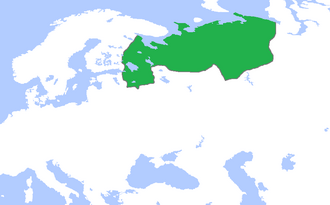
The Novgorod Republic c. 1400. Novgorod created a vast territorial empire and controlled much of the fur trade with Europe. The city was one of the main trading posts of the Hanseatic League.

The zenith of the Hanseatic League eventually gave way to the rise of rival powers. From the 1370s, English traders began challenging Hanseatic dominance. Through the treaties of Marienburg (1388–1409), English merchants secured trade privileges in the Prussian region, gradually eroding the League's monopoly.
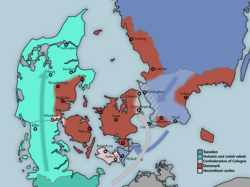
Military situation in Denmark (1370) after foreign invasions.

By the 17th century, the League's influence had waned. Its remaining properties, such as the Steelyard in London and the Oostershuis in Antwerp, remained unused for long periods before finally being sold in 1852 and 1862, respectively.

Frequently Asked Questions
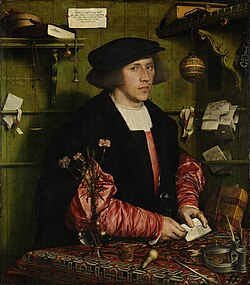
Georg Giese from Danzig, 34-year-old German Hanseatic merchant at the Steelyard, painted in London by Hans Holbein
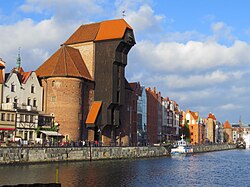
View of the Gdańsk Crane in the port city of Gdańsk (Danzig), today in Poland
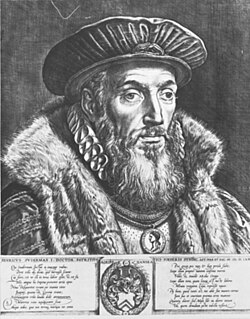
Heinrich Sudermann
Heinrich Sudermann
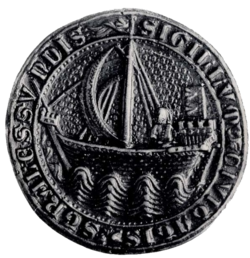
Hanseatic Seal of Stralsund
ภาพประกอบบทความ
ภาพประกอบจากบทความต้นฉบับ
ภาพประกอบบทความ
ภาพประกอบจากบทความต้นฉบับ
ภาพประกอบบทความ
ภาพประกอบจากบทความต้นฉบับ
ภาพประกอบบทความ
ภาพประกอบจากบทความต้นฉบับ
ภาพประกอบบทความ
ภาพประกอบจากบทความต้นฉบับ
ภาพประกอบบทความ
ภาพประกอบจากบทความต้นฉบับ
ภาพประกอบบทความ
ภาพประกอบจากบทความต้นฉบับ
ภาพประกอบบทความ
ภาพประกอบจากบทความต้นฉบับ
ภาพประกอบบทความ
ภาพประกอบจากบทความต้นฉบับ
ภาพประกอบบทความ
ภาพประกอบจากบทความต้นฉบับ
ภาพประกอบบทความ
ภาพประกอบจากบทความต้นฉบับ
ภาพประกอบบทความ
ภาพประกอบจากบทความต้นฉบับ
ภาพประกอบบทความ
ภาพประกอบจากบทความต้นฉบับ
ภาพประกอบบทความ
ภาพประกอบจากบทความต้นฉบับ
ภาพประกอบบทความ
ภาพประกอบจากบทความต้นฉบับ
ภาพประกอบบทความ
ภาพประกอบจากบทความต้นฉบับ
ภาพประกอบบทความ
ภาพประกอบจากบทความต้นฉบับ
ภาพประกอบบทความ
ภาพประกอบจากบทความต้นฉบับ
ภาพประกอบบทความ
ภาพประกอบจากบทความต้นฉบับ
ภาพประกอบบทความ
ภาพประกอบจากบทความต้นฉบับ
ภาพประกอบบทความ
ภาพประกอบจากบทความต้นฉบับ
ภาพประกอบบทความ
ภาพประกอบจากบทความต้นฉบับ
ภาพประกอบบทความ
ภาพประกอบจากบทความต้นฉบับ
ภาพประกอบบทความ
ภาพประกอบจากบทความต้นฉบับ
ภาพประกอบบทความ
ภาพประกอบจากบทความต้นฉบับ
ภาพประกอบบทความ
ภาพประกอบจากบทความต้นฉบับ
ภาพประกอบบทความ
ภาพประกอบจากบทความต้นฉบับ
ภาพประกอบบทความ
ภาพประกอบจากบทความต้นฉบับ
ภาพประกอบบทความ
ภาพประกอบจากบทความต้นฉบับ
ภาพประกอบบทความ
ภาพประกอบจากบทความต้นฉบับ
ภาพประกอบบทความ
ภาพประกอบจากบทความต้นฉบับ
ภาพประกอบบทความ
ภาพประกอบจากบทความต้นฉบับ
ภาพประกอบบทความ
ภาพประกอบจากบทความต้นฉบับ
ภาพประกอบบทความ
ภาพประกอบจากบทความต้นฉบับ
ภาพประกอบบทความ
ภาพประกอบจากบทความต้นฉบับ
ภาพประกอบบทความ
ภาพประกอบจากบทความต้นฉบับ
ภาพประกอบบทความ
ภาพประกอบจากบทความต้นฉบับ
ภาพประกอบบทความ
ภาพประกอบจากบทความต้นฉบับ
ภาพประกอบบทความ
ภาพประกอบจากบทความต้นฉบับ
ภาพประกอบบทความ
ภาพประกอบจากบทความต้นฉบับ
ภาพประกอบบทความ
ภาพประกอบจากบทความต้นฉบับ
ภาพประกอบบทความ
ภาพประกอบจากบทความต้นฉบับ
ภาพประกอบบทความ
ภาพประกอบจากบทความต้นฉบับ
ภาพประกอบบทความ
ภาพประกอบจากบทความต้นฉบับ
ภาพประกอบบทความ
ภาพประกอบจากบทความต้นฉบับ
ภาพประกอบบทความ
ภาพประกอบจากบทความต้นฉบับ
ภาพประกอบบทความ
ภาพประกอบจากบทความต้นฉบับ
ภาพประกอบบทความ
ภาพประกอบจากบทความต้นฉบับ
ภาพประกอบบทความ
ภาพประกอบจากบทความต้นฉบับ
ภาพประกอบบทความ
ภาพประกอบจากบทความต้นฉบับ
ภาพประกอบบทความ
ภาพประกอบจากบทความต้นฉบับ
ภาพประกอบบทความ
ภาพประกอบจากบทความต้นฉบับ
ภาพประกอบบทความ
ภาพประกอบจากบทความต้นฉบับ
ภาพประกอบบทความ
ภาพประกอบจากบทความต้นฉบับ
ภาพประกอบบทความ
ภาพประกอบจากบทความต้นฉบับ
ภาพประกอบบทความ
ภาพประกอบจากบทความต้นฉบับ
ภาพประกอบบทความ
ภาพประกอบจากบทความต้นฉบับ
ภาพประกอบบทความ
ภาพประกอบจากบทความต้นฉบับ
ภาพประกอบบทความ
ภาพประกอบจากบทความต้นฉบับ
ภาพประกอบบทความ
ภาพประกอบจากบทความต้นฉบับ
ภาพประกอบบทความ
ภาพประกอบจากบทความต้นฉบับ
ภาพประกอบบทความ
ภาพประกอบจากบทความต้นฉบับ
ภาพประกอบบทความ
ภาพประกอบจากบทความต้นฉบับ
ภาพประกอบบทความ
ภาพประกอบจากบทความต้นฉบับ
ภาพประกอบบทความ
ภาพประกอบจากบทความต้นฉบับ
ภาพประกอบบทความ
ภาพประกอบจากบทความต้นฉบับ
ภาพประกอบบทความ
ภาพประกอบจากบทความต้นฉบับ
ภาพประกอบบทความ
ภาพประกอบจากบทความต้นฉบับ
ภาพประกอบบทความ
ภาพประกอบจากบทความต้นฉบับ
ภาพประกอบบทความ
ภาพประกอบจากบทความต้นฉบับ
ภาพประกอบบทความ
ภาพประกอบจากบทความต้นฉบับ
ภาพประกอบบทความ
ภาพประกอบจากบทความต้นฉบับ
ภาพประกอบบทความ
ภาพประกอบจากบทความต้นฉบับ
ภาพประกอบบทความ
ภาพประกอบจากบทความต้นฉบับ
ภาพประกอบบทความ
ภาพประกอบจากบทความต้นฉบับ
ภาพประกอบบทความ
ภาพประกอบจากบทความต้นฉบับ
ภาพประกอบบทความ
ภาพประกอบจากบทความต้นฉบับ
ภาพประกอบบทความ
ภาพประกอบจากบทความต้นฉบับ
ภาพประกอบบทความ
ภาพประกอบจากบทความต้นฉบับ
ภาพประกอบบทความ
ภาพประกอบจากบทความต้นฉบับ
ภาพประกอบบทความ
ภาพประกอบจากบทความต้นฉบับ
ภาพประกอบบทความ
ภาพประกอบจากบทความต้นฉบับ
ภาพประกอบบทความ
ภาพประกอบจากบทความต้นฉบับ
ภาพประกอบบทความ
ภาพประกอบจากบทความต้นฉบับ
ภาพประกอบบทความ
ภาพประกอบจากบทความต้นฉบับ
ภาพประกอบบทความ
ภาพประกอบจากบทความต้นฉบับ
ภาพประกอบบทความ
ภาพประกอบจากบทความต้นฉบับ
ภาพประกอบบทความ
ภาพประกอบจากบทความต้นฉบับ
ภาพประกอบบทความ
ภาพประกอบจากบทความต้นฉบับ
ภาพประกอบบทความ
ภาพประกอบจากบทความต้นฉบับ
ภาพประกอบบทความ
ภาพประกอบจากบทความต้นฉบับ
ภาพประกอบบทความ
ภาพประกอบจากบทความต้นฉบับ
ภาพประกอบบทความ
ภาพประกอบจากบทความต้นฉบับ
ภาพประกอบบทความ
ภาพประกอบจากบทความต้นฉบับ
ภาพประกอบบทความ
ภาพประกอบจากบทความต้นฉบับ
ภาพประกอบบทความ
ภาพประกอบจากบทความต้นฉบับ
ภาพประกอบบทความ
ภาพประกอบจากบทความต้นฉบับ
ภาพประกอบบทความ
ภาพประกอบจากบทความต้นฉบับ
ภาพประกอบบทความ
ภาพประกอบจากบทความต้นฉบับ
ภาพประกอบบทความ
ภาพประกอบจากบทความต้นฉบับ
ภาพประกอบบทความ
ภาพประกอบจากบทความต้นฉบับ
ภาพประกอบบทความ
ภาพประกอบจากบทความต้นฉบับ
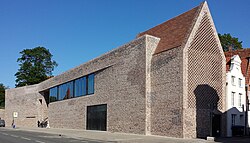
The European Hansemuseum in Lübeck
German language logo

What was the primary purpose of the Hanseatic League?

The League was a trade association designed to protect the economic interests of merchants in Northern Europe, secure trade privileges from foreign rulers, and provide mutual defense against piracy and political threats.

Which city served as the center of the Hansa?

Lübeck served as the informal capital and was the leading city of the Wendish and Pomeranian quarter.

What is a Kontor?

A Kontor was a foreign trading post and warehouse where Hanseatic merchants lived and conducted business in cities that were not members of the League, such as London or Novgorod.

How did the Hanseatic League influence architecture?

The League promoted the Brick Gothic style, which is still visible today in the red-brick churches and town halls of cities across the Baltic and North Sea regions.

Why did the Hanseatic League eventually decline?

The decline was caused by the rise of competing national trade powers, particularly English merchants who gained privileges in the Baltic, and the shifting economic dynamics of early modern Europe.

References

  1. /ˌhænsiˈætɪk/; Middle Low German: Hanse; Düdesche Hanse; Hansa; Modern German: Deutsche Hanse; Dutch: Hanze; Latin: Hansa Teutonica.[3]
  2. Een opvalled euvel betrof de gewoonte dat gezanten, die voor hen nadelige afspraken niet konden accepteren, vroegtijdig de Hanzedag verlieten. Op deze wijze hoopten zij niet in de notulen, de zogenaamde Hanzerecessen, te worden opgenomen. Het verschafte de stadsbesturen vervolgens de mogelijkheid de daarin opgenomen besluiten niet te ratificeren. [...] Opvallend is dat de Hanzedag, en ook Lübeck en de Wendische steden, niet in staat waren dit fenomeen te sanctioneren en zelfs een gedoogpolitiek ontstond. Terwijl veel historici hierin een essentiële zwakte van de Hanze zien, vat Pichierri dit op als een teken van flexibiliteit. [...] Al met al zijn dit enkele kenmerken van een organisatiestructuur die bij sociologen als een netwerk met losse bindingen te boek staat. De verbindingen tussen de verschillende leden van een dergelijke netwerk waren niet star noch daadwerkelijk verplichtend. [...] Het gebrek aan duurzame samenhand vloeide voort uit de grote autonomie van de steden zoals deze besloten lag in het zogenaamde Einungsrecht. [...] Juist doordat de Hanzevergadering vast bleef houden aan het uitgangspunt dat de gemeenschappelijke wil van alle steden afzonderlijk gerespecteerd moest worden, kon een besluit alleen op grond van algemene instemming genomen worden. [...] Volgens de principes van het Einungsrecht was echter geen enkele stad gedwongen zich aan de wil of aan de besluiten van een woordvoerder, in dit geval de Algemene Hanzedag, te onderwerpen. Aan het einde van de besluitvormingsketen was de instemming van de stedelijke gemeenschap doorslaggevend, ongeacht wat er op hogere niveaus was afgesproken. Het kwam derhalve zeer regelmatig voor dat besluiten die raadszendbode vanuit een minderheidspositie stilzwijgend moesten aanvaarden, achteraf door hun stadsbesturen werden afgewezen. A notable shortcoming concerned the custom that envoys, who could not accept arrangements that were disadvantageous for them, left the Hanseatic Day prematurely. In this way they hoped not to be included in the minutes, the so-called Hanseatic recesses. It then provided the city authorities with the option of not ratifying the decrees contained therein. [...] It is striking that the Hanseatic Day, and also Lübeck and the Wendish cities, were unable to sanction this phenomenon and even a policy of condoning arose. While many historians see this as an essential weakness of the Hanseatic League, Pichierri sees this as a sign of flexibility. [...] All in all, these are some characteristics of an organizational structure that sociologists regard as a network with loose connections. The connections between the various members of such a network were neither rigid nor actually binding. [...] The lack of sustainable cohesion arose from the great autonomy of the cities as it was implied in the so-called Einungsrecht. [...] Precisely because the Hanseatic Assembly continued to adhere to the principle that the common will of all individual cities had to be respected, a decision could only be taken on the basis of general consent. [...] According to the principles of Einungsrecht, however, no city was forced to submit to the will or to the decisions of a spokesman, in this case the General Hansedag. At the end of the decision-making chain, the agreement of the urban community was decisive, regardless of what was agreed at higher levels. It therefore happened very regularly that decisions that council messengers had to accept tacitly from a minority position were subsequently rejected by their city councils (Brand & Egge 2010, pp. 36–39).
  3. The Sound here is the Øresund, the strait between the Danish island of Zealand (Sjælland) and Sweden.
  4. Door de Kantoren werden er duurzame relaties met de machthebbers ter plaatse opgebouwd. Daaarnaast waren ze ook een onmisbare bron van informatie voor de Hanzesteden over de lokale politiek en handel. Bovendien waren de Kantoren plaatsen waar er controle was op de kwaliteit van goederen in de hanzeatische handel. Dit bevorderde de efficiëntie van deze handel. [...] Het midden van de veertiende eeuw wordt voor Brugge en Bergen als scharnierpunt in het ontstaan van de Kantoren gezien omdat ze toen een vastere organisatie en duidelijke regelgeving kregen. [...] Niettemin waren de Kantoren, in tegenstelling tot de Hanze als geheel, wel degelijk rechtsperonen. Als gevolg daarvan voerden ze eigen zegels, hadden ze een eigen administratie, een gemeenschappelijke kas en de machtsmiddelen om het correct naleven van de regels af te dwingen. The Kontors built lasting relationships with local ruler. In addition, they were also an indispensable source of information for the Hanseatic cities about local politics and trade. Moreover, the Kontors were places where the quality of goods in the Hanseatic trade was monitored. This promoted the efficiency of this trade. [...] The middle of the fourteenth century is seen as a pivotal point in the emergence of the Kontors for Bruges and Bergen, because they were then given a more permanent organization and clear regulations. [...] Nevertheless, unlike the Hanseatic League as a whole, the Kontors were indeed legal persons. As a result, they had their own seals, had their own administration, a common treasury and the means to enforce proper compliance with the rules (Wubs-Mrozewicz 2010, p. 91).
  5. Rond dezelfde tijd werden ook alle nederzettingen formeel ondergeschikt aan de beslissingen van de Hanzedag. Hun vertegenwoordigers hadden sindsdien het recht om de Hanzevergaderingen bij te wonen en voor de belangen van de Kantoren en hun kooplieden te pleiten. Ze hadden er echter geen stemrecht. Around the same time, all settlements were also formally subordinated to the decisions of the Hanseatic League. Since then their representatives had the right to attend the Hanse meetings and to advocate for the interests of the Offices and their merchants. However, they had no voting rights (Wubs-Mrozewicz 2010, p. 91).