Handicrafts: The Art and Economy of Handmade Production
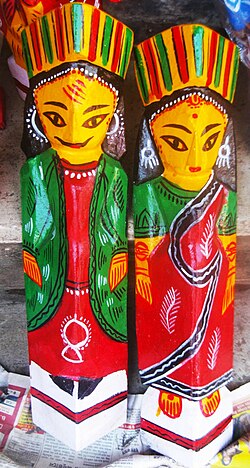
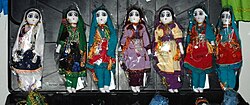
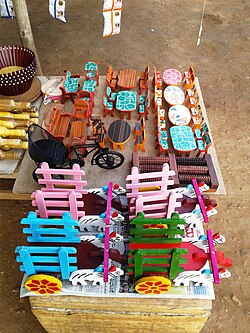
A handicraft is a traditional sector of creative production centered on making items by hand using specialized skill. This diverse field encompasses a wide range of activities, from working with textiles and plant fibers to molding clay and shaping rigid materials. At its core, handicraft blends practicality with aesthetics, creating objects that serve a functional purpose while remaining visually appealing.
While often used interchangeably with terms like artisanry, crafting, or handcrafting, the phrase "arts and crafts" is frequently used in the United States to describe hobbyist or children's activities. However, this differs from the formal Arts and Crafts design movement, which emphasizes the integration of beauty and utility in everyday objects.
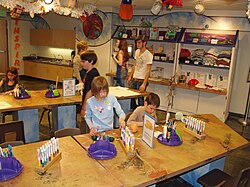
Key Facts

- Definition: Goods produced by hand to meet local needs without the use of industrial machinery.
- Ancient Roots: Some traditions, such as India's Dhokra metal casting, have been practiced for over 5,000 years.
- Materials: Crafters use indigenous natural materials, modern non-traditional substances, or upcycled industrial waste.
- Economic Impact: In some nations, like Vietnam, handicrafts are a major export industry and a primary source of local employment.
- Educational Value: Handicrafts are integrated into global education to develop student creativity and technical skills.
The Evolution of Craftsmanship
Ancient Origins and Traditions
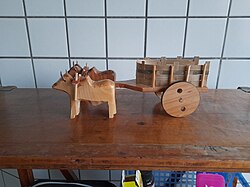
Handicrafts began as essential material-goods necessities for ancient civilizations. Many of these techniques have survived for millennia. For example, in Iranian Baluchistan, women continue to produce redware pottery with dotted ornaments, a style mirroring the 4,000-year-old traditions found at the Kalpouregan archaeological site.
The Arts and Crafts Movement
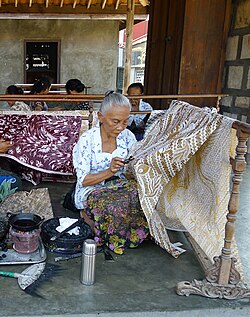
In the late 19th century, the Arts and Crafts movement emerged in Europe, North America, and Australia as a social and design reform. Led by figures such as William Morris and John Ruskin, the movement argued that the creative process of handicraft provided personal fulfillment, contrasting it with the alienating nature of industrial labor.
Historically, these skills were taught through a craft guild system, where adolescents served as apprentices to master craftsmen. The Industrial Revolution eventually mechanized many of these processes, shifting the perception of handicrafts from essential vocational trades to forms of hobby, folk art, or fine art.
Handicrafts in Modern Education
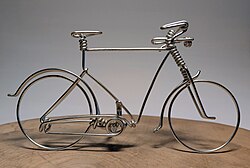
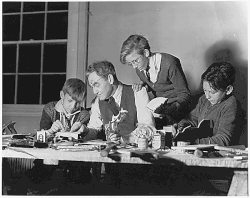
Today, simple arts and crafts projects are staples of elementary and middle school curricula worldwide. In higher education, the distinction between "fine arts" and handicraft-based arts is blurring through the rise of studio craft—the application of traditional handicraft techniques by professional fine artists.
The Economics of Handmade Production
From Local Need to Global Market
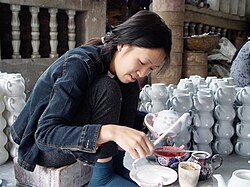
Initially, handicraft production was designed to satisfy immediate household needs, such as dishes, clothing, and furniture. Over time, these evolved into commodities sold in markets. In pre-revolutionary Russia, for instance, handicraft methods accounted for approximately 30% of all manufactured products.
National and Regional Impacts
Some modern economies remain heavily reliant on these traditions. Vietnam is a prime example; in the 1970s, handicraft production provided nearly a third of the republic's total industrial production. By 2023, Vietnam's handicraft export turnover reached US$2.2 billion, with the United States serving as the largest market (35% of turnover).
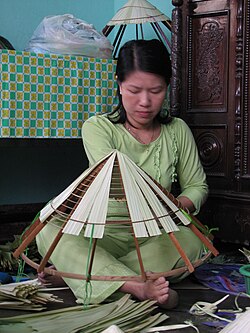
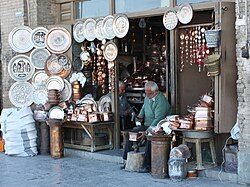
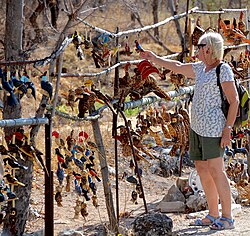
In other regions, such as Istanbul, Turkey, the informal craft economy is a vital income source. These economies often create "craft neighborhoods," where communities are structured around specific shared activities, fostering strong social bonds through verbal and hands-on training.
Common Types of Handicrafts
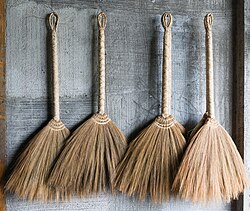
Handicrafts are generally categorized by the materials used in their creation:
| Material Category | Examples of Crafts |
|---|---|
| Plant Fibers | Spinning, Crochet, Knitting, Weaving, Embroidery |
| Textiles & Leather | Batik, Carpet making, Felting, Leather crafting, Shoe making |
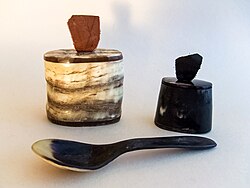
| Rigid Materials | Pottery, Glassblowing, Jewelry design, Wood carving, Metalwork |
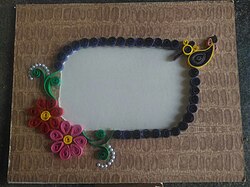
| Paper & Canvas | Origami, Bookbinding, Papier-mâché, Quilling, Collage |
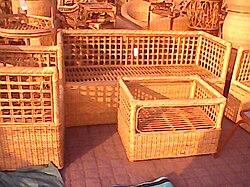
| Other Plants | Basket weaving, Floral design, Straw marquetry |
| Miscellaneous | Candle making, Soap making, Cake decorating |
Specialized Regional Examples
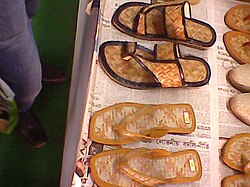
- Wickerwork: A major industry in Vietnam using bamboo and rattan, spanning 893 specialized villages.
- Dhokra: An ancient Indian metal casting technique used for over 5,000 years.
- Mumun Pottery: Historic Korean pottery that evolved alongside changes in household organization.
Frequently Asked Questions
What is the difference between a handicraft and a mass-produced item?
The primary criterion is individual artisanship. Handicrafts are made by hand using skill and traditional techniques, whereas mass-produced items are created by machines in large quantities.
Can modern materials be used in handicrafts?
Yes. While many artisans use indigenous natural materials, others utilize modern non-traditional materials or upcycle industrial waste to create their work.
How does the Arts and Crafts movement differ from a hobby?
The Arts and Crafts movement was a formal design and social reform movement that sought to return to the fulfillment of pre-industrial creative processes, emphasizing that functional items should also be aesthetic.
Why are craft communities often so tight-knit?
Because many crafts require high technical skill and intimate knowledge passed down from an experienced individual, the verbal and hands-on training creates strong social bonds between teachers and students.
Which country has a significant handicraft export economy?
Vietnam has a very strong handicraft sector, with over 600 villages and 10 million direct workers contributing to billions of dollars in export turnover.