Hand-Pollination Techniques: Manual Methods for Plant Breeding and Cultivation
In many agricultural and horticultural settings, relying solely on nature to facilitate reproduction is not always possible or desirable. When natural pollinators are absent or when precise control is required, growers turn to hand-pollination, also known as mechanical pollination. This manual intervention ensures that plants can produce seeds or fruit even in environments where traditional pollination methods fail.
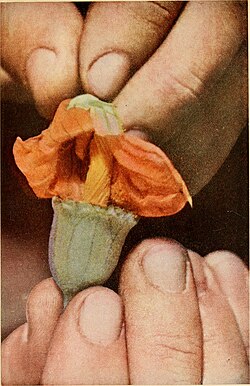
The Mechanics of Manual Pollination
The fundamental process of hand-pollination involves the physical transfer of pollen from the stamen (the male reproductive organ) of one plant to the pistil (the female reproductive organ) of another. In this biological exchange, the plant providing the pollen is referred to as the pollen donor or pollen parent, while the recipient is known as the seed parent.
Common Methods and Tools
Depending on the species and the structure of the flower, several different techniques may be employed:
- Brushes and Swabs: Growers often use a small brush or a cotton swab to collect pollen and apply it to the stigma.
- Direct Contact: For some species, petals can be removed from a male flower, allowing the stamen to be brushed directly against the stigmas of female flowers.
- Mechanical Agitation: In bisexual flowers—flowers that contain both male and female reproductive parts, such as tomatoes—simply shaking the flowers can facilitate pollination.
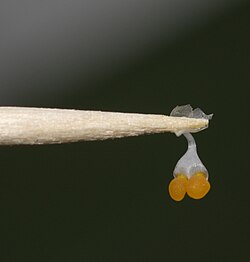
- Specialized Extraction: Certain plants, most notably orchids, possess pollen condensed into a mass called a pollinium. Because this pollen is not loose, a small utensil is required to attach the pollinia to the target plant.
Why Growers Use Hand-Pollination
There are several strategic reasons why a grower might choose manual methods over natural processes:
Environmental and Biological Constraints
Pollination can be hindered by a lack of natural pollinators, which is common in greenhouses, urban areas, or crops protected by covers to prevent pest infestation. Additionally, the decline of pollinator populations and the high concentration of specific crops in monocultures can create a deficit in natural pollination services.
Control and Hybridization
Hand-pollination allows for absolute control over cross-pollination, ensuring that specific varieties do not mix unintentionally. This is essential for creating specific hybrids or maintaining the purity of a variety. For example, vanilla plants are often hand-pollinated when they are transported to regions where their natural pollinators do not exist.
Efficiency and Scale
In certain industries, manual pollination is a matter of resource management. In date palm cultivation, hand-pollination is used to avoid the space and energy costs of growing enough male plants to support natural pollination. However, due to the high labor requirements, this method is typically reserved for small-scale market gardeners or individual plant owners. Large-scale operations, such as commercial orchards or field crops, generally rely on honeybees or other insects for greater efficiency.
A notable historical example can be found in Hanyuan County, China, where pears have been hand-pollinated since the 1980s. This practice was necessitated by mismatched flowering times between varieties and the use of insecticides to combat lice infestations, which discouraged local beekeepers from providing hives.
Key Facts
- Pollen Donor: The plant from which pollen is collected.
- Seed Parent: The plant that receives the pollen to produce seeds.
- Pollinium: A mass of pollen found in specific plants like orchids.
- Scale: Hand-pollination is best suited for small-scale gardening rather than large-scale commercial farming.
- Primary Drivers: Lack of pollinators, the need for hybrid control, and pest management are leading causes for manual pollination.
Pollination Method Comparison
| Context | Primary Method | Key Reason |
|---|---|---|
| Small-scale Gardening | Hand-pollination | Precision and hybrid control |
| Large-scale Orchards | Insect Pollinators | Labor efficiency |
| Greenhouses/Urban | Hand-pollination | Lack of natural pollinators |
| Orchid Cultivation | Specialized Utensils | Use of pollinia masses |
Frequently Asked Questions
What is the difference between a pollen donor and a seed parent?
The pollen donor is the plant that provides the pollen, while the seed parent is the plant that receives the pollen to develop seeds.
Why can't all crops be hand-pollinated?
While many can, hand-pollination is extremely labor-intensive. This makes it impractical for large-scale field crops or massive orchards, where honeybees are much more efficient.
What is a pollinium?
A pollinium is a specialized mass of pollen found in certain plant species, such as orchids, which requires specific tools to transfer.
Can hand-pollination be used to create new plant varieties?
Yes, hand-pollination is a primary method used to control cross-pollination and create specific hybrids by choosing exactly which plants mate.
Why might a farmer avoid using bees for pollination?
Farmers might avoid bees if they use heavy insecticide sprays to control pests like lice, as these chemicals can be harmful to local bee populations.