Goya Award for Best Ibero-American Film
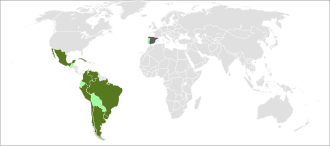
The Goya Award for Best Ibero-American Film (Spanish: Goya a la mejor película iberoamericana) is a prestigious honor presented annually by the Academy of Cinematographic Arts and Sciences of Spain (AACCE). Since its inception in 1986, this award has served as a vital bridge between Spanish cinema and the diverse filmmaking landscapes of Ibero-America—a region encompassing the Iberian Peninsula and the Americas where Spanish or Portuguese is the primary language.
Over the decades, the category has evolved in name and scope. From 1987 to 2008, it was known as the Goya Award for Best Spanish Language Foreign Film, and between 2009 and 2010, it was titled the Goya Award for Best Hispanic American Film. Despite these changes, its core mission remains the celebration of cinematic excellence across the Ibero-American world.
Key Facts
- Established: 1986 (1st Goya Awards).
- Governing Body: Academy of Cinematographic Arts and Sciences of Spain (AACCE).
- Most Successful Country: Argentina, with 20 wins and 32 nominations.
- Most Awarded Director: Eduardo Mignogna (3 wins).
- Most Recent Winner: Belén (2025).
- First Winner: A King and His Movie (Argentina, 1986).
Eligibility and Submission Rules
The AACCE maintains specific guidelines to ensure fair competition and avoid overlap between categories. For instance, a film submitted from Portugal cannot simultaneously compete for the Best European Film award. Furthermore, for productions involving both Spanish and non-Spanish Ibero-American partners, the leading producers must choose between submitting the film for the Best Film category or the Best Ibero-American Film category.
Regional Dominance and Global Success
Argentina has historically dominated this category, leading both in total wins and nominations. Chile follows as the second most successful nation. The prestige of the Goya Award often mirrors global recognition; several winners have gone on to achieve massive international success at the Academy Awards.
Notable examples include The Secret in Their Eyes (Argentina, 2009), A Fantastic Woman (Chile, 2017), and Roma (Mexico, 2018), all of which won the Oscar for Best Foreign Language Film. Roma further distinguished itself by receiving an Oscar nomination for Best Picture and winning Best Director.
Influential Directors
The award has highlighted several recurring masters of the craft. Argentine director Eduardo Mignogna holds the record for the most wins, securing trophies for Autumn Sun (1996), The Lighthouse (1998), and La fuga (2001). Other highly recognized figures include Peruvian director Francisco José Lombardi and Chilean directors Andrés Wood and Maite Alberdi, each of whom has earned four nominations.
Summary of Awards by Country
The following table provides a comprehensive overview of the performance of various countries in this category since 1986.
| Country | Awards | Nominations |
|---|---|---|
| Argentina | 20 | 32 |
| Chile | 6 | 23 |
| Cuba | 4 | 19 |
| Mexico | 3 | 21 |
| Uruguay | 2 | 9 |
| Colombia | 1 | 14 |
| Venezuela | 1 | 11 |
| Peru | 1 | 8 |
| Brazil | 1 | 2 |
| Costa Rica | 0 | 3 |
| Bolivia | 0 | 2 |
| Ecuador | 0 | 1 |
| Guatemala | 0 | 1 |
| Paraguay | 0 | 1 |
| Portugal | 0 | 1 |
| Puerto Rico | 0 | 1 |
Frequently Asked Questions
Which country has won the most Goya Awards for Best Ibero-American Film?
Argentina is the most successful country in this category, having secured 20 wins and 32 nominations.
Who is the most awarded director in this category?
Eduardo Mignogna is the most awarded director, with three wins for the films Autumn Sun, The Lighthouse, and La fuga.
Can a Portuguese film compete in two categories?
No. A submission for the Best Ibero-American Film category is not compatible with a submission for the Best European Film category for films representing Portugal.
What was the first film to win this award?
The first winner was the Argentine film A King and His Movie (La película del rey), directed by Carlos Sorín in 1986.
Have any Goya winners also won an Academy Award?
Yes. The Secret in Their Eyes, A Fantastic Woman, and Roma all won the Academy Award for Best Foreign Language Film after winning the Goya for Best Ibero-American Film.