Gospel Music: A Journey Through Sacred Sound and Cultural Evolution
Gospel music is a profound expression of faith that has shaped the musical landscape of the modern world. From its roots in traditional hymns and spirituals to its emergence as a global phenomenon, the genre has served as both a spiritual anchor and a powerful cultural force. Whether through the rhythmic energy of Black gospel or the melodic storytelling of Southern gospel, this music continues to evolve, bridging the gap between the sacred and the contemporary.
At its core, gospel music is characterized by its deep emotional resonance and its ability to adapt to new technologies and social shifts. While its origins are deeply rooted in the religious traditions of the Southern United States, its influence has branched out into numerous derivative forms, including soul, rhythm and blues, and even rock and roll.
Key Facts
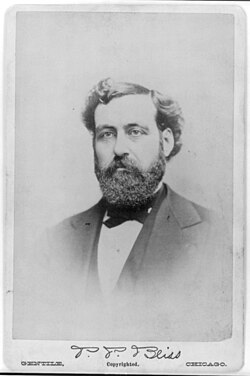
- The term "gospel song" was first published in 1874 by Philip Bliss.
- Traditional gospel often utilizes call-and-response, a technique where a leader sings a line and the group responds.
- Thomas A. Dorsey is a pivotal figure in the development of traditional Black gospel music in Chicago.
- The 1920s advent of radio significantly expanded the audience for gospel music.
- Urban contemporary gospel is currently the most common form of recorded gospel music.
The Foundations of Gospel Music
The history of gospel music begins with the foundational elements of Christian hymns and spirituals. In the 18th century, famous hymns like "Amazing Grace" by John Newton and "Rock of Ages" by Augustus Toplady laid the groundwork. Although these were originally lyrics-only, they eventually became standardized with tunes that were adopted by both African American and white American communities.
By the 19th century, the Holiness-Pentecostal era saw the rise of a new style of church music. Unlike traditional, formal hymns, these new gospel songs were designed to be easy to grasp and singable for mass revivals. This movement was championed by figures such as Dwight L. Moody and his musician, Ira D. Sankey. During this time, composers like Fanny Crosby and Philip Bliss became prolific creators of music that met the needs of growing urban and rural congregations.

Rhythmic and Cultural Origins
Many early gospel performances were heavily influenced by ancestral African music, often featuring a cappella singing (performing without instrumental accompaniment), hand-clapping, and foot-stomping for rhythm. This cultural fusion created a unique sound that distinguished gospel from standard liturgical music.
The Rise of Black Gospel and the Influence of Radio
The 1920s and 1930s marked a transformative era for the genre. The advent of radio allowed gospel music to reach unprecedented audiences. Entrepreneurs like James D. Vaughan used radio as a central part of a business model that included traveling quartets to promote gospel songbooks.
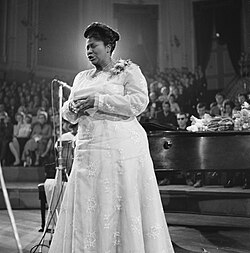
In the 1930s, the landscape of Black gospel music began to solidify. In Chicago, Thomas A. Dorsey established a publishing house and helped develop the careers of legendary artists, including the "Queen of Gospel," Mahalia Jackson. This era saw the rise of influential quartets such as the Five Blind Boys of Mississippi and the Soul Stirrers, who helped define the sound of the genre.
Modern Subgenres and Contemporary Evolution
As the 20th century progressed, gospel music diversified into several distinct subgenres:
- Urban Contemporary Gospel: Emerging in the late 1960s and 70s, this style fuses traditional Black gospel with secular contemporary rhythms and electronic beats. Artists like the Edwin Hawkins Singers and Kirk Franklin have brought this sound to the mainstream.
- Southern Gospel: Originating in the Southeastern United States, this genre is often associated with "quartet music" and has a sound similar to Christian country music.
- Christian Country Music: Also known as inspirational country, this subgenre incorporates country flair with positive, faith-based lyrics.
- Gospel Rap/Hip-Hop: A more recent development, this subgenre has seen significant commercial success through artists like Lecrae.
| Subgenre | Primary Characteristics | Key Influences |
|---|---|---|
| Black Gospel (Traditional) | Deeply spiritual, roots in spirituals and quartets | African-American musical heritage |
| Urban Contemporary | Electronic beats, modern rhythms, pop influence | Secular R&B and Soul |
| Southern Gospel | Often "four men and a piano" setup, quartet style | Southeastern US traditions |
| Christian Country | Country instrumentation with inspirational lyrics | Mainstream Country music |
| Gospel Rap | Hip-hop beats and rhythmic lyrical delivery | Urban contemporary and Hip-hop |
Frequently Asked Questions
When was the term "gospel song" first used?
The first published use of the term "gospel song" appeared in 1874, specifically in Philip Bliss's songbook titled Gospel Songs: A Choice Collection of Hymns and Tunes.
What is the difference between traditional and urban contemporary gospel?
Traditional Black gospel is rooted in spirituals and historical church styles, while urban contemporary gospel incorporates modern instrumentation, electronic beats, and rhythms common in secular contemporary music.
Who are some influential figures in gospel history?
Key figures include John Newton (composer of "Amazing Grace"), Thomas A. Dorsey (a pioneer of Black gospel), Mahalia Jackson (the "Queen of Gospel"), and Philip Bliss.
How did radio affect the gospel music industry?
The advent of radio in the 1920s greatly increased the audience for gospel music, allowing publishers and artists to reach much wider demographics than previously possible through live performances alone.
What is Southern gospel music?
Southern gospel is a genre from the Southeastern United States that is often characterized by a quartet setup and shares stylistic similarities with Christian country music.