Gold: The Science, History, and Global Impact of the Noble Metal
Gold is one of the most coveted elements on Earth, prized for millennia for its distinct luster, rarity, and remarkable stability. Known by the symbol Au (from the Latin aurum), gold is a transition metal that occupies a unique position in both the periodic table and human civilization. From the crowns of ancient pharaohs to the mirrors of the James Webb Space Telescope, gold's utility spans the gap between luxury and cutting-edge science.
At its core, gold is a noble metal, meaning it is chemically unreactive. This inherent stability prevents it from tarnishing or corroding, making it an ideal medium for preserving value and conducting electricity.

Key Facts

- Atomic Number: 79
- Symbol: Au
- Density: 19.3 g/cm³
- Melting Point: 1,064.18 °C (1,337.33 K)
- Key Property: Extremely malleable; a small nugget can be hammered into a large foil.
- Primary Use: Jewelry, electronics, investment, and medicine.
Chemical and Physical Properties
Gold is characterized by its striking metallic yellow appearance. In the periodic table, it is located in Group 11, Period 6, within the d-block. Its standard atomic weight is approximately 196.97 u.
Density and Malleability
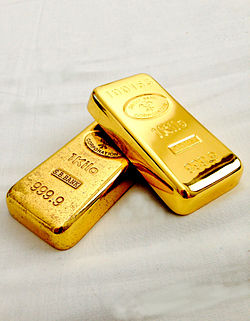
One of gold's most defining physical traits is its high density (19.283 g/cm³). This is nearly identical to that of tungsten, a fact sometimes exploited by counterfeiters who plate tungsten bars in gold to mimic the weight of genuine bullion.
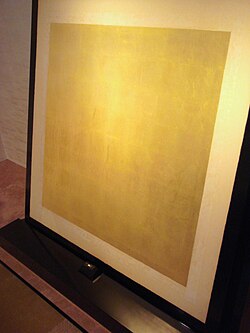
Gold is also incredibly malleable. For example, a gold nugget measuring only 5 mm (0.20 in) can be hammered into a thin foil covering approximately 0.5 m² (5.4 sq ft).
Chemical Stability
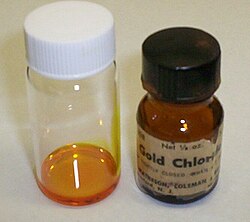
Gold is renowned for its resistance to chemical attack. It does not react with oxygen at any temperature and remains resistant to ozone up to 100 °C. While it is generally inert, it can form various oxidation states, most commonly +3, though others ranging from -3 to +5 are possible.
Origins and Occurrence
The origin of gold is cosmic. Scientific theories suggest that much of the universe's gold was created during explosive events, such as the merger of neutron stars or colliding dead stars. Once integrated into Earth's composition, gold occurs naturally in several forms.
Natural Forms
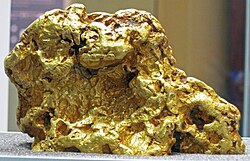
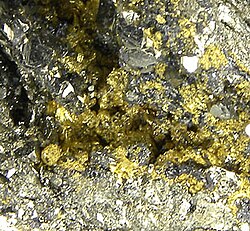
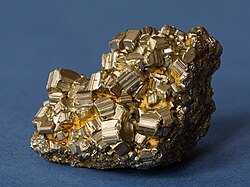
Gold is often found as native gold—pure metal in nature—or trapped within other minerals, such as pyrite (often called "fool's gold" due to its similar appearance). It can also be found in seawater, though in concentrations too low for economical extraction.
Geological Structures
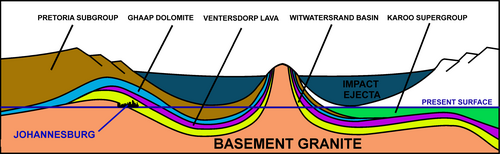
Significant gold deposits are often linked to major geological events. An example is the Vredefort impact structure in South Africa, where the Witwatersrand Basin contains vast gold reserves distorted by a 2.020-billion-year-old impact.
History and Human Use
Humans have used gold since before 6000 BCE, with early discoveries appearing in the Middle East. Its rarity and beauty made it a symbol of power and divinity across cultures.
Ancient Civilizations
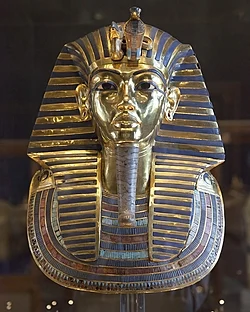
From the gold funerary masks of Tutankhamun in Egypt to the tribute-bearers of the Achaemenid Empire, gold has always been a marker of status. In antiquity, it was minted into coins, such as the massive gold coins of Eucratides I, which weighed nearly 170 grams.
![An Indian tribute-bearer at Apadana, from the Achaemenid satrapy of Hindush, carrying gold on a yoke, circa 500 BC.[90]](/images/8e/03/8e034c640fb9a2056962ebde3aae0f6b822d597b0f7dba6ff8dfcbed0efe918f.jpg)
![Gold coin of Eucratides I (171–145 BC), one of the Hellenistic rulers of ancient Ai-Khanoum. This is the largest known gold coin minted in antiquity (169.2 g (5.97 oz); 58 mm (2.3 in)).[98]](/images/cd/a9/cda919c0ead5c79c750b06910064650277beb27399444a08d4c54b8e5a2a5319.jpg)
Monetary Systems
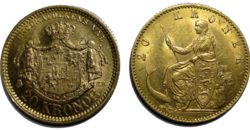
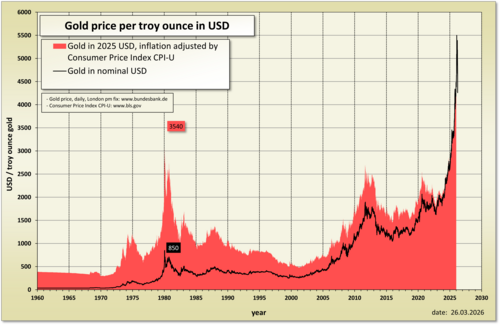
For centuries, gold served as the foundation of global economies through the gold standard, where currency value was directly linked to a specific amount of gold. While most nations have moved away from this system, gold remains a primary hedge against inflation and a reserve asset for central banks.
Production and Mining
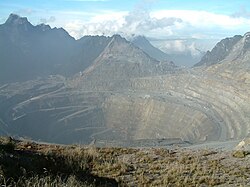
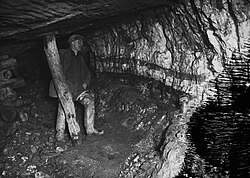
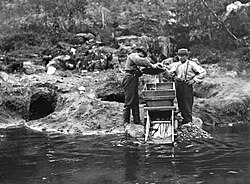
Gold is extracted through various methods, including underground mining and prospecting. The Grasberg mine in Indonesia stands as the world's largest gold mine.
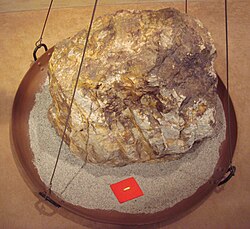
Mining is a labor-intensive process. To put the scale in perspective, extracting just 30 grams of gold can require processing a block of ore weighing as much as 860 kg.
Global Production Trends
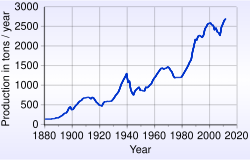
Gold production varies by region, with China and India often appearing as top consumers and producers. According to the US Geological Survey (2016), approximately 5.7 billion troy ounces of gold have been accounted for, with 85% still in active use.
| Country | 2009 (t) | 2011 (t) | 2013 (t) |
|---|---|---|---|
| India | 442.37 | 986.3 | 974 |
| China | 376.96 | 921.5 | 1120.1 |
| United States | 150.28 | 199.5 | 190 |
| Russia | 60.12 | 76.7 | 73.3 |
Modern Applications
Beyond jewelry and bullion, gold's unique properties make it indispensable in modern technology.
- Electronics: Due to its high electrical conductivity and resistance to corrosion, gold is used in connectors and circuit boards.
- Aerospace: Gold reflects infrared light, making it essential for coating telescope mirrors, such as those on the James Webb Space Telescope.
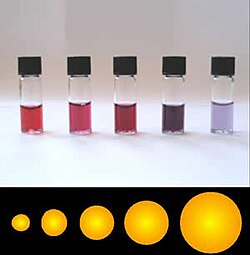
- Medicine: Gold complexes are used in treating rheumatoid arthritis, and gold nanoparticles are explored for radiotherapy enhancement.
- Cuisine: Pure gold is biologically inert and is used as an edible decoration in high-end confectionery.

Frequently Asked Questions
Why is gold so expensive?
Gold's value is driven by its scarcity, its chemical stability (it doesn't rust or decay), and its long-standing historical role as a store of value and a medium of exchange.
What is "fool's gold"?
Fool's gold is iron pyrite. While it looks similar to gold, it is much harder, more brittle, and lacks the chemical properties and value of real gold.
Can gold be synthesized in a lab?
While theoretically possible through nuclear transmutation (changing one element into another), the process is prohibitively expensive and impractical compared to mining.
Is gold toxic?
Pure metallic gold is non-toxic and biologically inert. However, certain gold compounds, such as gold cyanide, can be highly toxic.
How is gold used in medicine?
Gold is used in the form of gold complexes to treat rheumatoid arthritis and in the form of nanoparticles to enhance the effectiveness of certain radiotherapy treatments.