Global Import Trends: Analyzing Merchandise and Service Procurement by Country
In an increasingly interconnected global economy, the movement of goods and services across borders defines the strength and structure of national markets. To understand these dynamics, economists track two primary categories: merchandise imports and service imports. Merchandise imports consist of physical goods produced in one country and purchased by another, while service imports involve the cross-border procurement of intangible services by residents of one nation from residents of another.
By examining data from the World Bank and the International Trade Centre, we can gain insights into which nations act as the world's largest consumers and how their trade balances—the difference between the value of what a country imports and what it exports—impact their economic standing.
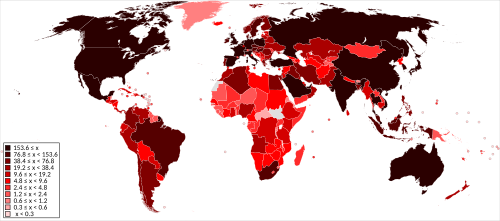
Key Facts
- Merchandise imports refer to the physical goods purchased from foreign nations.
- Service imports involve the cross-border procurement of intangible services.
- The United States leads in total import value among individual nations.
- The European Union is treated as a distinct economic entity due to its unique political and economic attributes.
- Trade balance measures the net difference between a country's imports and exports.
Understanding Import Categories and Economic Impact
Global trade is not a monolith; it is divided into tangible and intangible flows. Understanding the distinction between these two is vital for analyzing a country's economic dependencies and its role in the global supply chain.
Merchandise vs. Services
Merchandise imports are the backbone of traditional trade, encompassing everything from raw materials to finished consumer electronics. In contrast, service imports represent the growing importance of the digital and professional economy, including sectors like finance, tourism, and information technology. While merchandise is easily quantifiable through physical shipments, services represent the complex web of cross-border intellectual and professional transactions.
The Role of the Trade Balance
A country's trade balance provides a snapshot of its economic relationship with the rest of the world. A positive value indicates a trade surplus, while a negative value indicates a trade deficit. For example, while the United States maintains a high volume of imports, it also manages a significant trade balance relative to its total import value.
Global Import Data Overview
The following table provides a comparative look at the leading importers globally, categorized by total imports, merchandise imports, and their respective trade balances based on available data.
| Country / Territory | Total Imports | Merchandise Imports | Trade Balance |
|---|---|---|---|
| United States | 4,108,000 | 4,083,292 | -1,294,794 |
| China | 3,254,000 | 3,219,343 | 988,162 |
| Germany | 1,774,000 | 1,782,162 | 258,804 |
| France | 1,159,000 | 1,157,661 | -113,869 |
| United Kingdom | 1,158,000 | 1,157,638 | -302,669 |
| Japan | 965,047 | 981,638 | -35,272 |
| India | 923,081 | 919,206 | -261,073 |
Frequently Asked Questions
What is the difference between merchandise and service imports?
Merchandise imports are physical, tangible goods produced in one country and bought by another. Service imports are intangible, involving the cross-border purchase of professional or digital services.
Why is the European Union listed separately?
The European Union is included as a separate entity because it possesses attributes of an independent nation, such as its own flag, currency (for some members), and law-making abilities, making it more than a simple free-trade association.
What does a negative trade balance signify?
A negative trade balance, or trade deficit, occurs when the value of a country's imports exceeds the value of its exports.
Which country has the highest total imports?
Based on the provided data, the United States holds the highest total import value among the listed nations.
How is the trade balance calculated?
The trade balance is the numerical difference between the total value of a country's exports and the total value of its imports.