Germany National Football Team: A Legacy of World Cup Glory
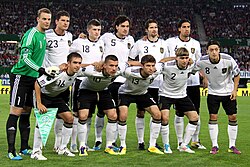
Known by various nicknames including Die Mannschaft, Die Nationalelf, and the DFB-Team, the Germany national football team stands as one of the most successful powerhouses in sporting history. Managed by the Deutscher Fußball-Bund (DFB), the team has consistently defined excellence on the global stage, blending tactical discipline with an unwavering will to win.
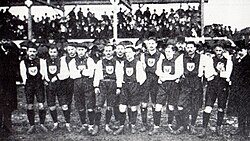
From its first official international match in 1908 to its modern era of dominance, Germany has evolved into a symbol of footballing prestige, securing multiple world and continental titles.
Key Facts
- World Cup Titles: 4 (1954, 1974, 1990, 2014)
- European Championship Titles: 3 (1972, 1980, 1996)
- All-Time Top Scorer: Miroslav Klose (71 goals)
- Most Capped Player: Lothar Matthäus (150 appearances)
- Current Head Coach: Jürgen Klopp
- Current Captain: Joshua Kimmich
A Century of Footballing Evolution
Early Years and the Rise to Power
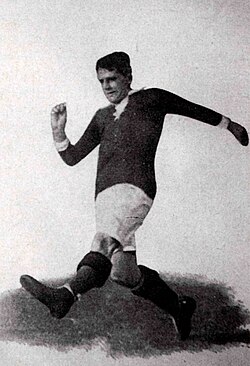
Germany's international journey began on April 5, 1908, with a match against Switzerland. While the early years were marked by learning curves—including a heavy 9–0 defeat to England Amateurs in 1909—the team quickly found its footing. A standout moment occurred during the 1912 Olympic Games, where forward Gottfried Fuchs helped lead the team to a massive 16–0 victory over the Russian Empire, which remains Germany's biggest win to date.
The Golden Eras of World Cup Success
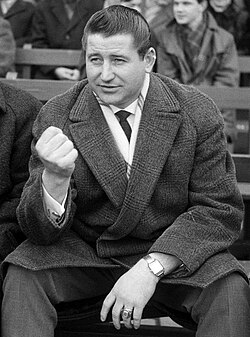
The 1954 World Cup victory marked a turning point in German sports history, with Helmut Rahn scoring the decisive goal in the final. This victory laid the foundation for a culture of winning that persisted through the decades.
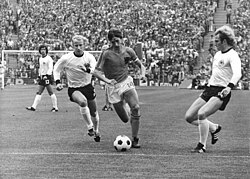
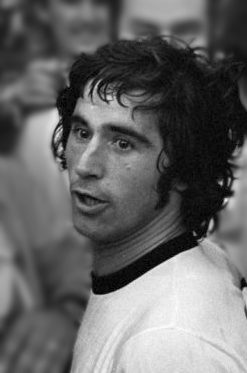
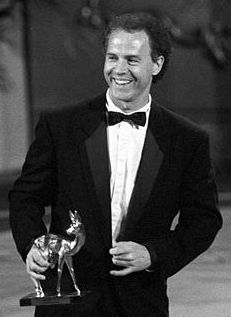
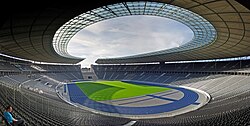
The 1970s saw the emergence of legendary figures like Franz Beckenbauer and Gerd Müller. In 1974, Germany achieved the ultimate dream by winning the World Cup on home soil in Munich's Olympiastadion.
Unification and Modern Dominance
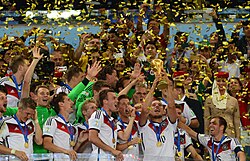
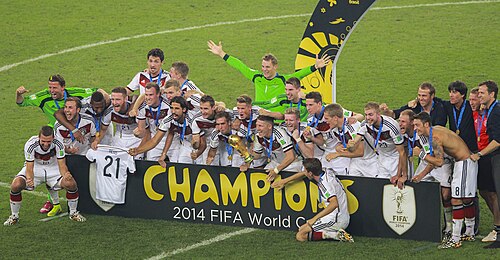
After winning the 1990 World Cup in Italy, the team transitioned into the era of a unified Germany. Under the leadership of icons like Lothar Matthäus and later the strategic brilliance of Joachim Löw, the team continued to excel. This culminated in the 2014 World Cup victory in Brazil, where Germany once again lifted the trophy as world champions.
Tournament Performance Summary
Germany's record across major competitions demonstrates a rare level of consistency, frequently reaching the final stages of every tournament they enter.
| Competition | Best Result | Years Won | Total Titles |
|---|---|---|---|
| FIFA World Cup | Champions | 1954, 1974, 1990, 2014 | 4 |
| UEFA European Championship | Champions | 1972, 1980, 1996 | 3 |
| FIFA Confederations Cup | Champions | 2017 | 1 |
| Olympic Games | Bronze Medal | 1988 | 1 (Medal) |
Legendary Figures and Records
The success of the DFB-Team is built on the backs of extraordinary individuals. Lothar Matthäus holds the record for the most caps with 150 appearances, while Miroslav Klose is the all-time leading goalscorer with 71 goals.
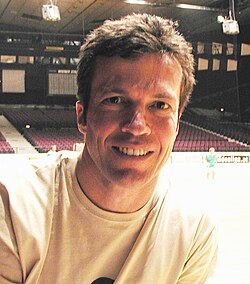
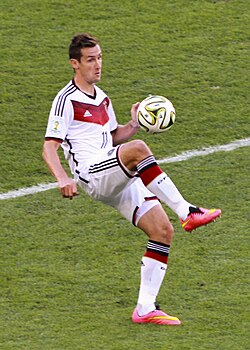
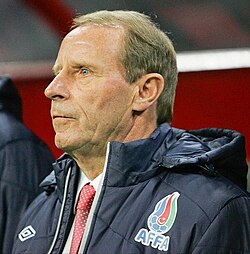
Other influential figures include Berti Vogts, who served as a key defensive pillar and manager, and the modern era's standout players like Joshua Kimmich and Jamal Musiala.
Recent Form and Future Outlook
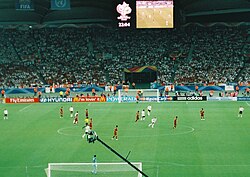
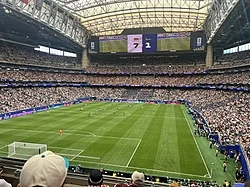
In recent years, Germany has navigated a period of transition. Following the 2018 World Cup disappointment, the team has focused on resurgence. Recent fixtures in 2025 and 2026 show a strong return to form, including dominant qualifying wins over Slovakia and Luxembourg, and a high-scoring 7–1 victory over Curaçao in the 2026 World Cup group stage.
Frequently Asked Questions
How many World Cups has Germany won?
Germany has won the FIFA World Cup four times, in 1954, 1974, 1990, and 2014.
Who is the all-time top scorer for the German national team?
Miroslav Klose is the all-time top scorer with 71 goals scored in 137 appearances.
Who holds the record for the most appearances (caps)?
Lothar Matthäus holds the record for the most caps, having represented Germany in 150 matches.
Who is the current head coach of the team?
The current head coach of the Germany national team is Jürgen Klopp.
Which player is the current captain?
Joshua Kimmich is the current captain of the national team.