German Confederation: Member States and Political Structure (1815–1866)
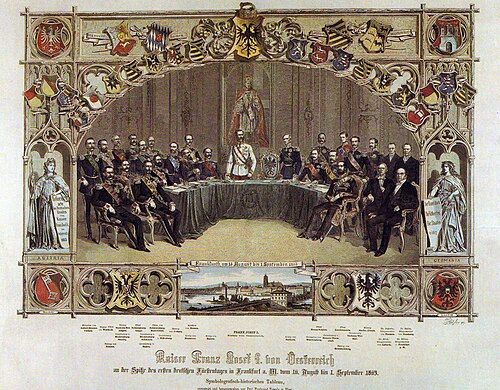
The German Confederation was a political association of member states that existed from June 20, 1815, until August 24, 1866. Established in the aftermath of the Napoleonic Wars, it served as a loose grouping of German-speaking entities, attempting to balance the power dynamics of Central Europe.
Geographically, the Confederation's territory closely mirrored the borders of the Holy Roman Empire as they stood at the start of the French Revolution, with the notable exception of Belgium. While most member states had previously been part of Napoleon's Confederation of the Rhine, there were key exceptions: Austria, Prussia, Holstein, and the western left bank of the Rhine (which had been annexed by France, including the small area of Katzenelnbogen).
Key Facts
- Duration: June 20, 1815, to August 24, 1866.
- Composition: A mix of monarchies (constitutional and absolutist) and four constitutional republics.
- Major Powers: Dominated largely by the Austrian Empire and the Kingdom of Prussia.
- Territorial Basis: Roughly aligned with the pre-French Revolution Holy Roman Empire, excluding Belgium.
The Member States and Their Rulers
The Confederation was composed of a diverse array of states, ranging from powerful empires to small principalities and independent city-states. The political landscape was dominated by the rivalry and cooperation between the Austrian Empire and the Kingdom of Prussia.
Major Kingdoms and Grand Duchies
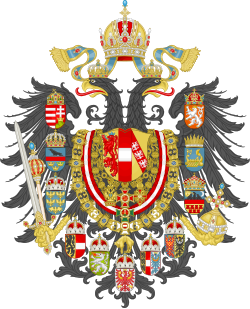
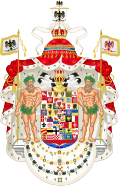
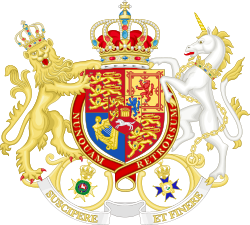
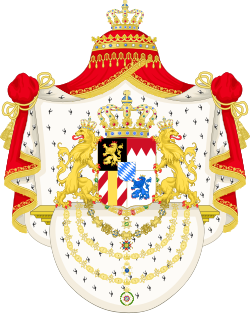
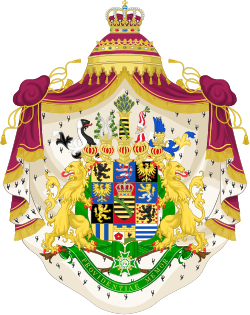
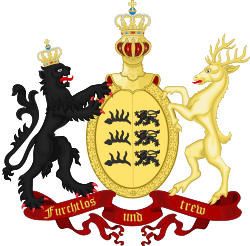
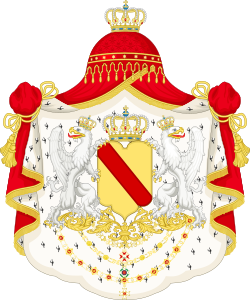
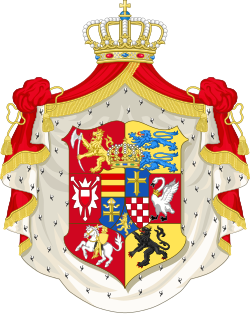
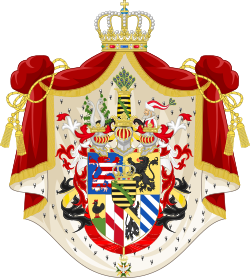
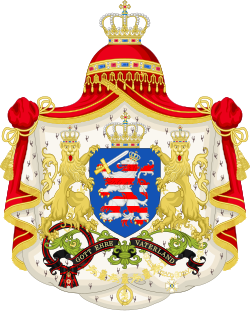
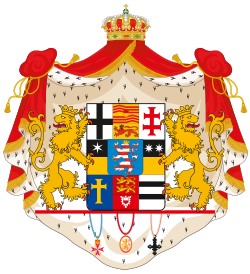
The largest entities included the Austrian Empire under Franz Joseph and the Kingdom of Prussia under Wilhelm I. Other significant monarchies included the Kingdoms of Hannover, Bavaria, Saxony, and Württemberg, as well as several Grand Duchies such as Baden, Oldenburg, and Hesse.
Duchies and Principalities
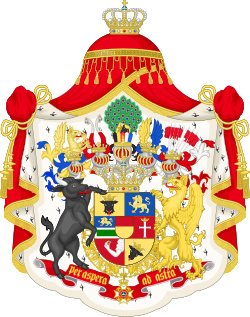
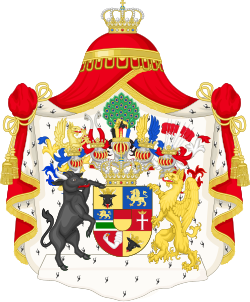
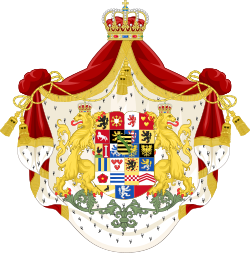
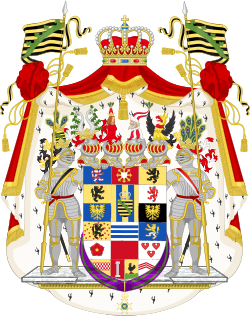
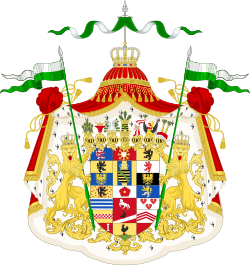
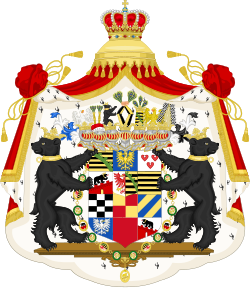
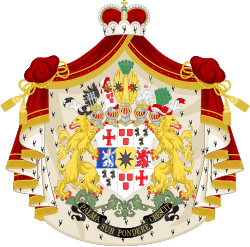
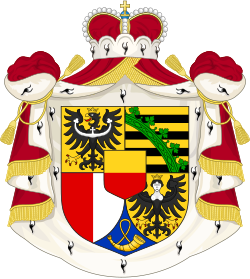
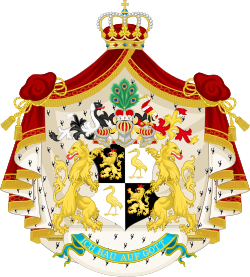
A significant portion of the Confederation consisted of smaller territories. These included various Duchies, such as Nassau, Brunswick, and several Saxe-led territories (Coburg-Gotha, Meiningen, and Altenburg), as well as the Duchy of Anhalt. Additionally, several smaller Principalities were members, including Lippe, Schaumburg-Lippe, and the Reuss states.
The Free Cities
Unlike the monarchies, four member states were constitutional republics known as the Free Cities: Bremen, Hamburg, Lübeck, and Frankfurt upon Main. Among these, Bremen and Hamburg remain constitutive states of modern Germany.
Summary of Member States
The following table provides a snapshot of the primary rulers and states within the Confederation.
| Ruler | State |
|---|---|
| Franz Joseph | Austrian Empire |
| Wilhelm I | Kingdom of Prussia |
| George V | Kingdom of Hannover |
| Maximilian II | Kingdom of Bavaria |
| John | Kingdom of Saxony |
| Charles I | Kingdom of Württemberg |
| Friedrich I | Grand Duchy of Baden |
| (Constitutional Republic) | Free City of Frankfurt |
| (Constitutional Republic) | Free Hanseatic City of Hamburg |
The Status of Schleswig and Holstein
The status of the Duchy of Schleswig was complex. While Holstein and Lauenburg were official member states, Schleswig was never formally a member. However, due to traditional connections, it was treated as a member by the German states and the short-lived German Empire during the First Schleswig War (1848–1851).
Following the Second Schleswig War in 1864, the Danish king transferred Schleswig, Holstein, and Lauenburg to the joint administration of Austria and Prussia.
Frequently Asked Questions
When did the German Confederation exist?
The German Confederation was in existence from June 20, 1815, until August 24, 1866.
Which states were republics within the Confederation?
The four free cities—Bremen, Hamburg, Lübeck, and Frankfurt upon Main—were republics by constitution, while all other member states were monarchies.
How did the Confederation's territory compare to the Holy Roman Empire?
Its territory nearly coincided with the Holy Roman Empire as it existed at the start of the French Revolution, though Belgium was a notable exception.
Was the Duchy of Schleswig a member state?
No, the Duchy of Schleswig was never a formal member state, although it was treated as one during the First Schleswig War (1848–1851) due to its ties to Holstein and Lauenburg.
Who were the dominant powers in the Confederation?
The Austrian Empire, led by Franz Joseph, and the Kingdom of Prussia, led by Wilhelm I, were the most prominent powers within the association.