The Legacy of Gaumont: A Century of Cinematic Innovation
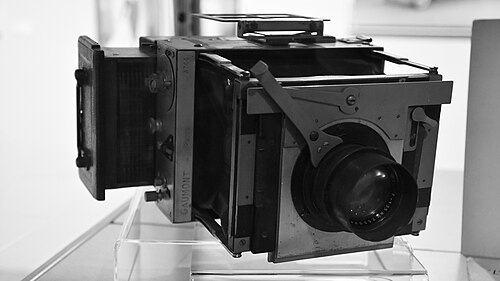
In the rapidly evolving world of entertainment, few names carry as much historical weight as Gaumont. As the oldest extant film company in the world, Gaumont has not only witnessed the birth of cinema but has been a primary architect of its evolution. From the early days of hand-cranked cameras to the cutting edge of digital projection, this French powerhouse has remained a constant force in global motion pictures.
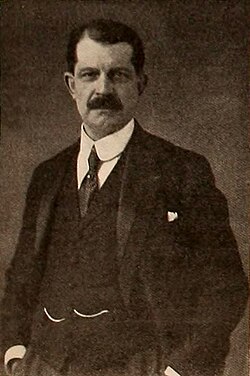
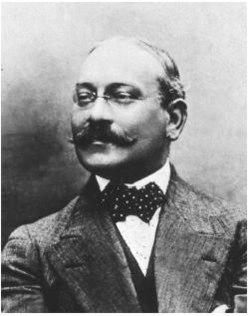
Founded in 1895 by engineer and inventor Léon Gaumont, the company predates industry giants like Pathé, Universal, and Paramount. Today, headquartered in Neuilly-sur-Seine, Gaumont continues to produce, co-produce, and distribute high-quality films, television programs, and animation across the globe.
Key Facts
- Founded: 6 July 1895 by Léon Gaumont.
- Status: The oldest surviving film company in the world.
- Core Business: Production and distribution of motion pictures, TV programs, and animation.
- Iconic Logo: The ox-eye daisy (a tribute to the founder's mother, Marguerite).
- Major Library: Over 1,600 films, including hits like Intouchables and The Fifth Element.
- Global Presence: Six offices located across five countries.
A Foundation of Invention and Early Mastery
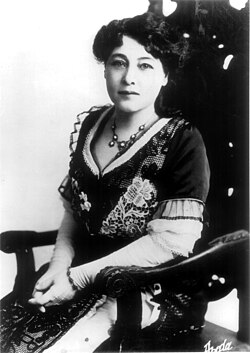
Gaumont’s origins were rooted in photographic apparatus. In 1897, the company began producing short films to promote its camera-projector technology. This era saw the rise of Alice Guy-Blaché, Léon Gaumont's secretary, who became the motion picture industry's first female director and served as Head of Production from 1897 to 1907.
The company's technical prowess was evident early on. While Warner Bros. is often credited with the advent of "talking pictures" via The Jazz Singer in 1927, Léon Gaumont had actually developed the chronophone—a device for sound films—as early as 1902. After a legal battle lasting nearly 20 years, Gaumont successfully won a case regarding these early sound patents.
The Golden Age and Global Expansion
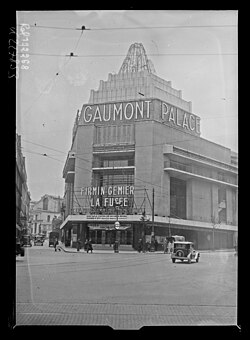
By the early 20th century, Gaumont was a global leader. In 1911, it opened the Gaumont Palace in Paris, which was the largest cinema in the world with 6,400 seats. The company also expanded internationally, acquiring the Gaumont British theater chain, which produced legendary films such as Alfred Hitchcock's The 39 Steps.
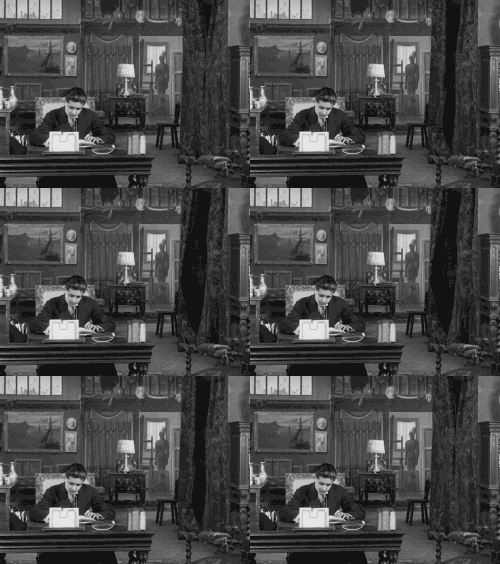
During the silent film era, Gaumont produced influential serials, including the works of director Louis Feuillade, such as Fantômas and Les Vampires.
Resilience Through Adversity
The company's journey has not been without significant challenges. The Great Depression led to bankruptcy in 1935, and the company was eventually purchased by Havas in 1938. During the Second World War, Gaumont faced severe censorship and the presence of a well-resourced competitor, Continental Films, created by the Nazi regime. Despite these hardships, the company managed to produce nine films during the war years before the Liberation.
Modern Growth and Digital Innovation
In the late 20th and early 21st centuries, Gaumont pivoted toward new technologies and diverse media. In 2000, Philippe Binant achieved a milestone by realizing the first digital cinema projection in Europe. The company also expanded its reach through strategic partnerships with Disney and Sony, and later through the formation of the Globalgate Entertainment consortium.

Gaumont's modern era is defined by its ability to produce both massive international blockbusters and culturally significant French cinema. Directors like Luc Besson have worked closely with the studio, contributing iconic titles like The Fifth Element and Leon: The Professional.


A Diverse Portfolio
Today, Gaumont operates through several specialized divisions:
- Gaumont Film: The core division responsible for major theatrical releases.
- Gaumont Télévision: Focused on high-quality television series.
- Gaumont Animation: Dedicated to the production of animated content.

Corporate Overview
Gaumont remains a significant player in the global market, managed by Chairman Nicolas Seydoux and CEO Sidonie Dumas. The company continues to evolve its visual identity, moving through various iterations of its iconic logo to reflect its modern standing.

| Category | Details |
|---|---|
| Founded | 6 July 1895 |
| Headquarters | Neuilly-sur-Seine, France |
| Key Leadership | Nicolas Seydoux (Chairman), Sidonie Dumas (CEO) |
| Primary Industries | Motion pictures, Television, Animation |
| 2021 Revenue | €212.2 million |
| 2021 Net Income | €1.0 million |
Frequently Asked Questions
What makes Gaumont unique in the film industry?
Gaumont is the oldest surviving film company in the world, having been founded in 1895. This longevity has allowed it to transition through every major era of cinema, from silent films to digital projection.
Who is the most famous director associated with Gaumont?
While many greats have worked with the studio, Luc Besson is a notable figure, having produced major hits like The Fifth Element and Leon: The Professional through Gaumont.
What is the meaning behind the Gaumont logo?
The ox-eye daisy logo was chosen by founder Léon Gaumont as a tribute to his mother, whose name was Marguerite (the French word for Daisy).
Does Gaumont only produce French films?
While a large portion of its library is in French, Gaumont produces and distributes international content, including major English-language productions and global collaborations.
How does Gaumont handle television and animation?
Gaumont operates dedicated divisions—Gaumont Télévision and Gaumont Animation—to manage the production and distribution of series and animated content separately from its feature film division.