Gauchos: The Legendary Horsemen of the South American Pampas
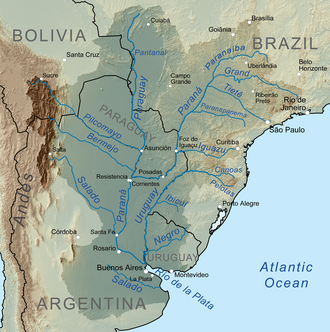
The gaucho (or gaúcho in Portuguese) is more than just a historical figure; he is a powerful folk symbol of bravery, independence, and skill. Primarily associated with Argentina and Uruguay, the gaucho legacy also extends into Paraguay, southern Brazil, southern Bolivia, and southern Chile. These skilled horsemen, renowned for being both brave and unruly, became central to the regional cultural traditions of the Southern Cone.
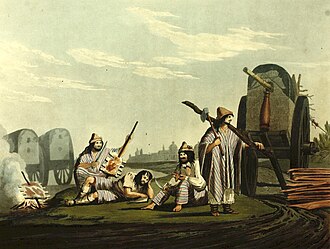
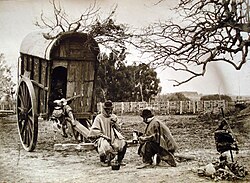
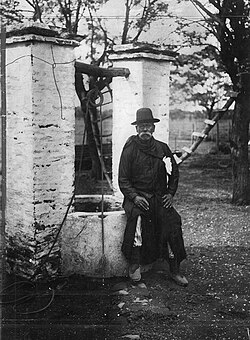
Historically, a gaucho was a mestizo (a person of combined European and Indigenous American descent) who inhabited the vast grasslands known as the Pampas during the 18th and 19th centuries. As migratory horsemen adept in cattle work, they played a vital role in the early livestock economies of the region.
Key Facts
- Regional Presence: Primarily Argentina and Uruguay, but also Brazil, Paraguay, Bolivia, and Chile.
- Core Skills: Expert horsemanship, lassoing, and cattle raising.
- Cultural Status: Transitioned from marginalized social outcasts to celebrated national icons in literature and folklore.
- Turning Point: The introduction of barbed wire in the late 19th century effectively ended the era of the free-roaming gaucho.
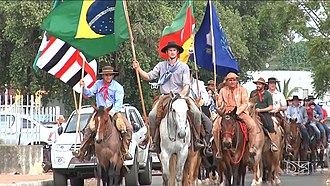
- Modern Meaning: In Brazil, gaúcho refers to any citizen of the state of Rio Grande do Sul, regardless of their profession.
The Origins and Etymology of the Gaucho

The exact origin of the word "gaucho" remains a subject of academic debate, with several theories attempting to trace its roots.
Theories of Linguistic Origin
Some scholars suggest the term may have come from the Arabic chauch (herder), which traveled through Andalusian Spanish. Others point to Indigenous roots, such as the Pehuenche cachu (friend) or the Quichua huajcho (orphan/maverick). A different theory proposes a Romani (Gitano) origin from the word gachó, meaning foreigner or wanderer.
| Proposer | Proposed Root | Meaning/Origin | Status/Objection |
|---|---|---|---|
| Emilio Daireaux | Arabic chauch | Herder | Discussed in multiple sources |
| Rodolfo Lenz | Pehuenche cachu | Friend / Astute man | Lack of proof of direction |
| Martiniano Leguizamón | Quichua huajcho | Orphan / Maverick | Improbable metathesis |
| Lehmann-Nitsche | Romani gachó | Foreigner / Wanderer | Transition unexplained |
History and Social Evolution
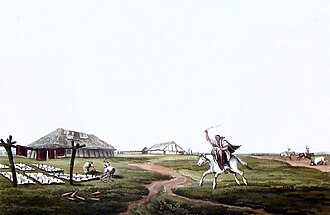
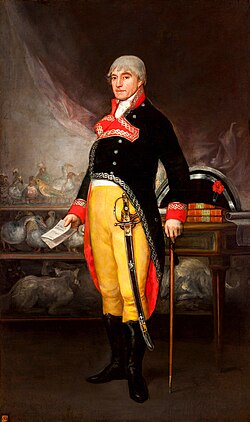
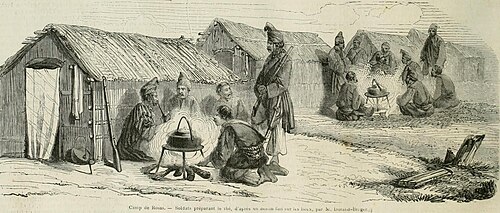
The gaucho's life was defined by the open range. In the early 19th century, they were essential to the wars of emancipation and independence, often serving as irregular soldiers due to their unmatched mobility and knowledge of the terrain.
The Borderlands of Brazil and Uruguay
In the fluid border regions between Brazil and Uruguay, cattlemen from Rio Grande do Sul often purchased estates in Uruguay. This area was frequently lawless and bilingual. Despite the abolition of slavery in Uruguay in 1846, Brazilian ranchers often ignored the law, moving slaves and cattle across borders with impunity until extradition treaties were established in 1851.
The Decline of the Free Gaucho
The late 19th century brought dramatic changes to the Pampas. Two primary factors led to the marginalization of the traditional gaucho:
- European Immigration: A massive influx of immigrants altered the ethnic composition of the region. By 1914, 40% of Argentina's residents were foreign-born.
- The Arrival of Barbed Wire: Introduced around 1876, barbed wire allowed landowners to fence the Pampas. This eliminated the need for migratory cowboys to herd cattle across open ranges.
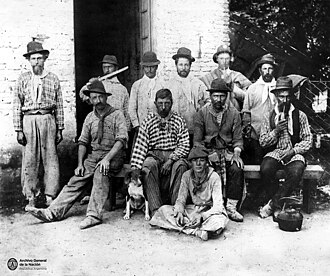
Forced off the land, many gauchos drifted into rural towns to find work as peons (low-paid laborers). While the mobile gaucho survived longer north of the Río Negro, the era of the independent horseman eventually faded.
The Gaucho as a Cultural Icon
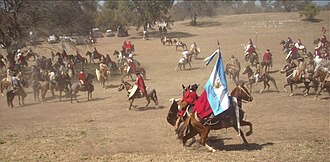
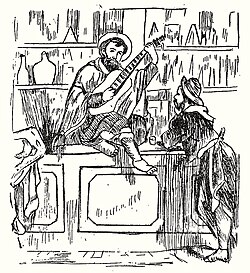
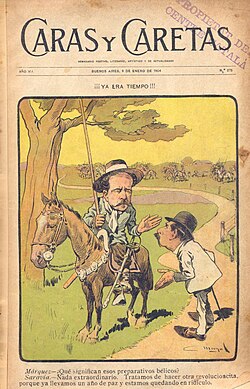
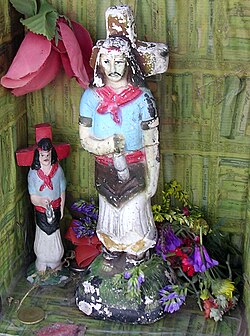
As the actual lifestyle of the gaucho vanished, the figure was romanticized by South American writers and artists. The gaucho became a symbol of national identity, representing nobility, generosity, and a fierce spirit of independence.
Horsemanship and Skill
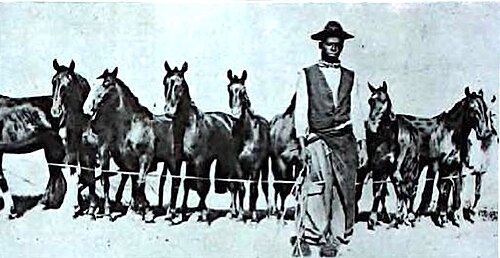
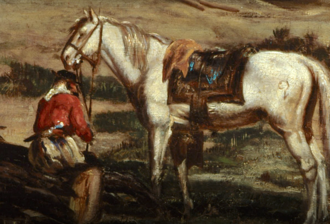
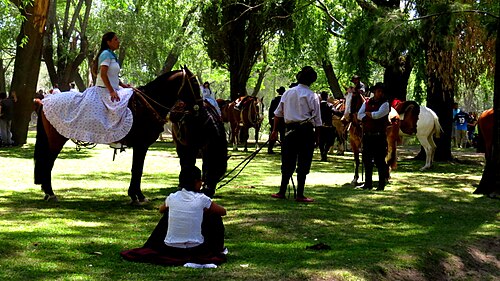
The gaucho's relationship with his horse was paramount. They preferred Criollo horses—small, tough animals capable of enduring the harsh environment. A gaucho's pride was often tied to his steeds, with some striving to own horses of matching colors.
Traditions and Modern Legacy
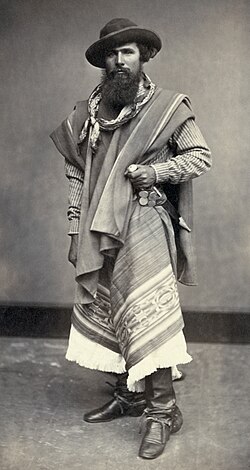
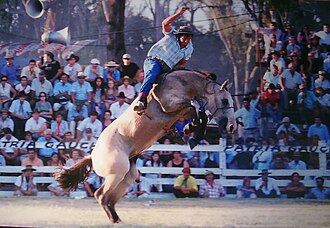
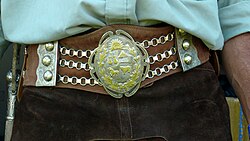
Today, the gaucho legacy lives on through traditional clothing, music, and sports. The facón (a large dagger-sword) remains a symbolic tool. Modern events like the Semana Farroupilha in Brazil and jineteada (a sport similar to bronco riding) keep the spirit of the pampas alive.
Frequently Asked Questions
![The Overseers, 1861, a careful depiction by Prilidiano Pueyrredón. "They scarcely know how to walk ... they remain on horseback, though the conversation may last several hours."[120]](/images/1a/cb/1acbfcfc4fb5a8c2eb8883555b70cf074785977ce3278726b879dcae5b4e372a.jpg)
What is a gaucho?
A gaucho is a skilled horseman from the plains of South America, specifically Argentina, Uruguay, and southern Brazil. Historically, they were mestizo cattle herders known for their bravery and independence.
Why did the traditional gaucho lifestyle disappear?
The lifestyle declined primarily due to the introduction of barbed wire fences in the 1870s, which ended the need for open-range herding, and a surge in European immigration that changed the social and ethnic landscape of the Pampas.
What is a Criollo horse?
The Criollo is a breed of horse known for being small but exceptionally tough and hardy, making it the ideal mount for the gaucho's demanding work on the plains.
Is the term "gaucho" still used today?
Yes. In Argentina and Uruguay, it can refer to someone experienced in traditional livestock farming. In Brazil, it is a metonym for anyone from the state of Rio Grande do Sul, regardless of whether they work with cattle.
What is the significance of the facón?
The facón is a large knife or dagger-sword used by gauchos as both a practical tool for cattle work and a symbol of their identity and readiness for defense.