Gasoline: Chemistry, Production, and Global Impact
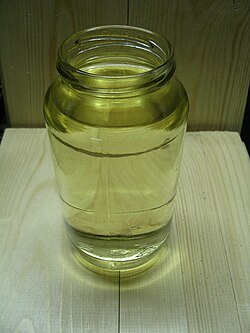
Gasoline (known as petrol in most English-speaking countries outside North America) is a transparent, yellowish, and highly flammable petrochemical liquid. It serves as the primary fuel for spark-ignited internal combustion engines, powering millions of vehicles worldwide. Produced in high volumes at crude oil refineries, gasoline is a complex mixture of organic compounds derived from the fractional distillation of petroleum and further refined with specific chemical additives to optimize performance.
Key Facts
- Composition: Derived from petroleum via fractional distillation and enhanced with additives.
- Primary Use: Fuel for spark-ignited internal combustion engines.
- Performance Metric: The octane rating measures a fuel's resistance to premature ignition (knocking).
- Environmental Impact: Combustion releases carbon dioxide, and uncontrolled burning produces soot and carbon monoxide.
- Global Production: The United States and China are among the world's leading producers.
Chemical Composition and Production
The production of gasoline occurs in oil refineries, where crude oil is processed through various units. The final chemical makeup of the fuel depends heavily on the specific processing units available at the refinery and the nature of the crude oil feed used. The resulting liquid consists of various hydrocarbons, including isooctane, butane, and 3-ethyltoluene.

To ensure the fuel is stable and efficient, refineries and blenders add various chemicals. These include oxygenates—oxygen-containing chemicals like ethanol, MTBE (methyl tert-butyl ether), or ETBE (ethyl tert-butyl ether)—which improve combustion efficiency. Other additives include detergents for fuel system cleaning, corrosion inhibitors, and antioxidants (such as substituted phenols and phenylenediamine derivatives) to prevent the formation of gum.

The Role of Octane Rating
A critical characteristic of gasoline is its octane rating, or performance number. This value indicates the fuel's ability to resist premature ignition, a phenomenon known as "knocking" that reduces engine efficiency and can cause damage in reciprocating engines.
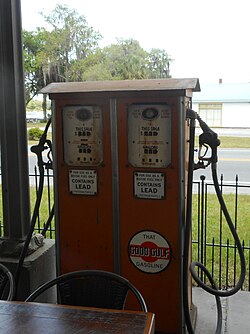
Historically, tetraethyl lead was the primary additive used to boost octane levels. However, due to severe health hazards, leaded gasoline has been phased out of modern automotive use, though it is still utilized in some aviation, racing, and off-road vehicle engines.
Regional Octane Classifications
Different regions categorize gasoline grades based on their octane levels:
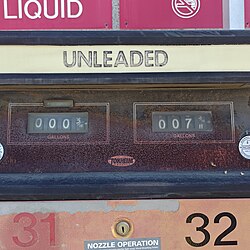
- United States: Regular, Mid-grade, and Premium.
- United Kingdom: Regular, Premium, Super, and High-performance.
- Scandinavia: Regular and Premium.
Global Production and Energy Comparison
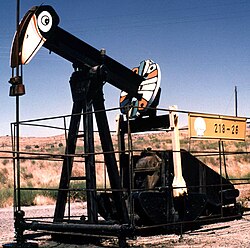
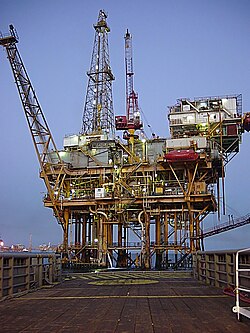
Gasoline production is a global industrial effort, with the United States leading in volume, followed by China, Japan, and Russia. The extraction process often involves diverse infrastructure, from land-based pumpjacks to offshore platforms.
When compared to other fuels, gasoline offers a high energy density, though it differs from diesel or alternative fuels like ethanol and methanol in terms of specific energy and combustion characteristics.
| Country | Production (Barrels) | Production (Megalitres) |
|---|---|---|
| United States | 9,571 thousand | 1,521.7 |
| China | 2,578 thousand | 409.9 |
| Japan | 920 thousand | 146 |
| Russia | 910 thousand | 145 |
| India | 755 thousand | 120.0 |
Safety, Toxicity, and Environmental Impact
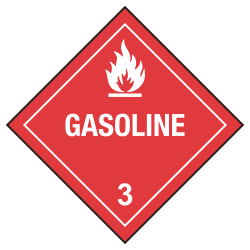
Gasoline is classified as a HAZMAT class 3 flammable liquid. It poses several risks to human health and the environment. Inhalation of gasoline vapors can lead to intoxication, and long-term exposure to components like benzene is linked to cancer risks. Additionally, gasoline spills can lead to the contamination of soil and water sources.
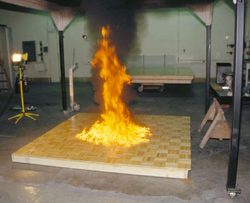
From an atmospheric perspective, the combustion of gasoline releases carbon dioxide (CO2), a greenhouse gas. When gasoline burns uncontrollably, it produces significant quantities of soot and carbon monoxide, contributing to air pollution.
Market and Pricing
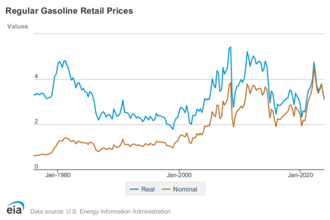
The price of gasoline is influenced by various factors, including crude oil costs, excise taxes, and seasonal demand. In the U.S., prices are often tracked via RBOB (Reformulated Gasoline Blendstock for Oxygenate Blending) plus taxes to reflect the final price paid at the pump.
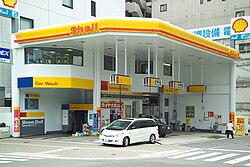

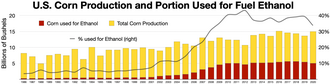
In recent decades, there has been a significant shift toward blending gasoline with ethanol, particularly in the U.S., where a growing percentage of corn production is diverted toward fuel ethanol production.
Frequently Asked Questions
What is the difference between gasoline and petrol?
There is no chemical difference; "gasoline" is the term used primarily in North American English, while "petrol" is used in other English-speaking countries.
What does the octane rating actually measure?
The octane rating measures a fuel's ability to resist "knocking," which is the premature ignition of the fuel-air mixture in an engine's cylinder.
Why is leaded gasoline no longer used in cars?
Leaded gasoline was phased out because tetraethyl lead poses significant health hazards to humans and the environment.
What are oxygenates in gasoline?
Oxygenates are chemicals containing oxygen, such as ethanol or MTBE, added to gasoline to improve combustion and reduce emissions.
How does gasoline affect the environment?
Gasoline combustion releases carbon dioxide and, if burned uncontrollably, produces carbon monoxide and soot. Leaks can also contaminate soil and groundwater.