Gabriel García Márquez: The Master of Magic Realism
Gabriel García Márquez, affectionately known as "Gabo," stands as one of the most influential figures in global literature. A Colombian novelist, short-story writer, and journalist, he became the face of the Latin American Boom, a literary movement that brought the region's rich storytelling traditions to the world stage. His work is most famous for pioneering magic realism, a style where fantastical elements are woven seamlessly into realistic settings, treating the extraordinary as mundane.
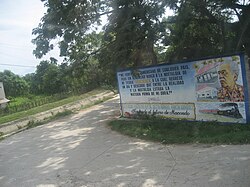
Born in Aracataca, Colombia, on March 6, 1928, García Márquez drew deep inspiration from the idiosyncrasies of the Colombian Caribbean. This nostalgia for his homeland served as the raw material for his most enduring creations, blending personal memory with the political and social turmoil of Latin America.
Key Facts
- Full Name: Gabriel José García Márquez.
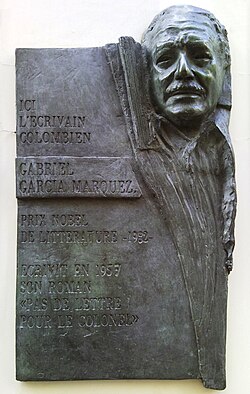
- Major Achievement: Awarded the Nobel Prize in Literature in 1982.
- Defining Style: Magic realism, blending the supernatural with the everyday.
- Most Famous Work: One Hundred Years of Solitude (1967).
- Education: Attended the National University of Colombia and the University of Cartagena.
- Legacy: Recognized as one of the most translated Spanish-language writers in history.
Life and Career
Early Years and Education
García Márquez's early life in Aracataca shaped his literary vision. He pursued higher education at the National University of Colombia and the University of Cartagena, where he developed the skills that would later bridge the gap between rigorous journalism and imaginative fiction.
The Journalist's Eye
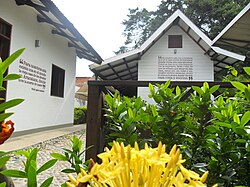
Before becoming a world-renowned novelist, Gabo was a dedicated journalist. His non-fiction work, such as The Story of a Shipwrecked Sailor (1970) and News of a Kidnapping (1997), showcased his ability to report on reality with precision. This journalistic foundation allowed him to ground his fictional worlds in a believable, tangible reality, making the "magic" in his novels feel authentic.
Rise to Global Fame
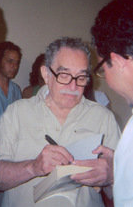
The publication of One Hundred Years of Solitude in 1967 catapulted him to international stardom. The novel tells the multi-generational story of the Buendía family in the fictional town of Macondo, a place that mirrors the history and struggles of Colombia and the wider Latin American continent.
Literary Style and Themes
Magic Realism and Macondo
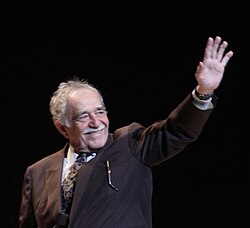
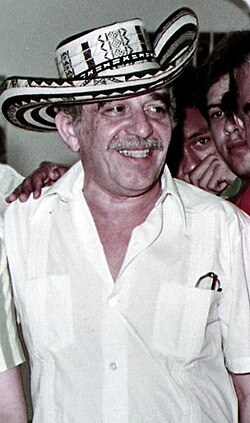
Magic realism is not merely a fantasy; it is a way of describing a reality where the impossible is accepted. In the town of Macondo, ghosts walk among the living and yellow flowers fall from the sky, yet these events are narrated with the same matter-of-fact tone as a political election or a family quarrel.
Recurring Themes
- Solitude: A central pillar of his work, exploring the isolation of individuals and entire civilizations.
- La Violencia: The reflection of Colombia's period of intense political conflict and civil unrest.
- Family and Fate: The cyclical nature of time and the inescapable patterns of ancestral history.
Diverse Body of Work
While his novels are his most celebrated contributions, García Márquez was a prolific creator across multiple genres, including novellas, short stories, and screenplays.
| Category | Notable Titles | Year |
|---|---|---|
| Novels | One Hundred Years of Solitude, Love in the Time of Cholera, The Autumn of the Patriarch | 1967, 1985, 1975 |
| Novellas | No One Writes to the Colonel, Chronicle of a Death Foretold | 1958, 1981 |
| Non-Fiction | The Story of a Shipwrecked Sailor, Living to Tell the Tale | 1970, 2002 |
| Short Stories | A Very Old Man with Enormous Wings, The Handsomest Drowned Man in the World | 1968 |
Cinema and Other Media
García Márquez's influence extended to the screen. He wrote and directed numerous films, such as The Blue Lobster (1954) and Time to Die (1966). Many of his literary works were also adapted into films, including the 1987 adaptation of Chronicle of a Death Foretold by Francesco Rosi.
Later Years and Legacy
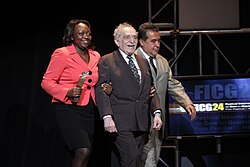
In his later life, García Márquez continued to write and engage with political issues, maintaining a complex relationship with various Latin American leaders. Despite declining health, his passion for storytelling remained. He passed away on April 17, 2014, in Mexico City at the age of 87.
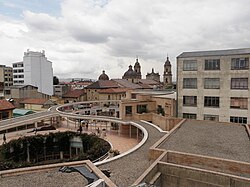
His legacy lives on through the Gabriel García Márquez Cultural Center in Bogotá and the Biblioteca Gabriel García Márquez in Barcelona, which was declared the world's best library in 2023. Even after his death, his work continues to be discovered, as seen with the posthumous publication of his novel Until August in 2024.
Frequently Asked Questions
What is magic realism?
Magic realism is a literary style where supernatural or fantastical elements are integrated into a realistic setting, presented as normal occurrences within the story's world.
Which is Gabriel García Márquez's most famous book?
His most famous work is One Hundred Years of Solitude, published in 1967, which tells the story of the Buendía family in the fictional town of Macondo.
When did he win the Nobel Prize in Literature?
Gabriel García Márquez was awarded the Nobel Prize in Literature in 1982.
What is Macondo?
Macondo is the fictional town created by García Márquez that serves as the primary setting for many of his stories, representing a microcosm of Latin American history and identity.
Did he write anything other than novels?
Yes, he was a prolific journalist, short-story writer, and filmmaker, producing a wide range of non-fiction books and screenplays throughout his career.