The Evolution of Fuji Television: From Early Broadcasts to Media Giant
For over six decades, Fuji Television has been a cornerstone of Japanese media, shaping the nation's cultural landscape through iconic programming, groundbreaking animation, and massive sporting events. Originally founded as the Fuji Television Network, Inc. in 1957, the company has evolved into a multifaceted media powerhouse under its parent company, Fuji Media Holdings.
From its humble beginnings in the post-war era to its current status as a global content provider, the history of Fuji TV is a journey of architectural shifts, technological advancements, and a diverse portfolio that spans television, film, music, and digital streaming.

Key Facts
- Founded: November 18, 1957 (as Fuji Television Network, Inc.)
- Parent Company: Fuji Media Holdings
- Headquarters: Odaiba, Minato, Tokyo, Japan
- Core Services: Broadcast television, radio, film, music, and OTT (Over-the-top) streaming platforms
- Major Content: Renowned for anime series like Dragon Ball and One Piece, and legendary dramas
- Digital Presence: Operates the FOD streaming service and various satellite channels
A Journey Through History and Architecture
The physical presence of Fuji Television has changed significantly alongside its corporate growth. The company's headquarters have moved through several iconic locations in Tokyo, reflecting the changing urban landscape of the city.
The Early Eras
In its early years, the network operated out of Yūrakuchō. As the company expanded, it moved to a second headquarters in Kawadacho, Shinjuku. This era saw the network transition into the age of color television and experience "golden ages" of programming that defined Japanese pop culture.
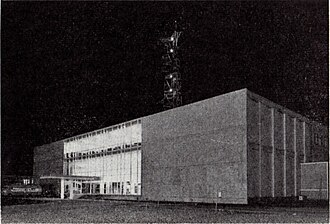
By the early 1990s, the Kawadacho location had been expanded with taller structures to accommodate the growing demands of a modern broadcasting network.

The Modern Era in Odaiba
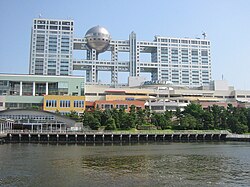
Today, Fuji Television is synonymous with its striking headquarters in Odaiba, Minato, Tokyo. Designed by the world-renowned architect Kenzo Tange, the building is a landmark of unique, futuristic architecture that serves as a symbol of the network's modern identity.
Diverse Programming and Cultural Impact
Fuji Television's influence is felt across various genres, making it a household name in Japan and a significant exporter of content worldwide.
Anime and Animation
The network has been a vital platform for some of the most successful anime franchises in history. Their library includes legendary titles such as:
- Dragon Ball series: Including Dragon Ball Z, GT, Kai, Super, and Daima
- Digimon series: Spanning from the original Adventure to Ghost Game
- One Piece: One of the most globally recognized anime properties
- Other notable titles: Yu Yu Hakusho and Anohana: The Flower We Saw That Day

Dramas, Variety, and Sports
Beyond animation, Fuji TV is a leader in Japanese dramas, producing hits like Long Vacation, Hero, and Nodame Cantabile. Their variety show lineup has historically included massive hits like Waratte Iitomo! and Hey! Hey! Hey! Music Champ.
In the realm of sports coverage, the network provides extensive broadcasting for major international and domestic events, including:
- Football (Soccer): FIFA World Cup, J.League, and various national team matches
- Multi-sport events: The Olympic Games (via the Japan Consortium) and Asian Games
- Other disciplines: Figure Skating, Baseball (Nippon Professional Baseball), and Formula One
Corporate Overview
| Category | Details |
|---|---|
| Parent Company | Fuji Media Holdings |
| Primary Subsidiary | Fuji Television |
| Stock Ticker | TYO: 4676 |
| Total Assets (March 2023) | ¥848,769 million |
| Net Income (March 2023) | ¥46,855 million |
| Operating Income (March 2023) | ¥31,401 million |
Frequently Asked Questions
What is the relationship between Fuji Media Holdings and Fuji Television?
Fuji Media Holdings is the parent company, while Fuji Television is a major subsidiary that focuses on television broadcasting and content production.
What are the main services provided by Fuji Television?
Fuji Television provides a wide range of services, including broadcast television, radio, film production, music, and digital streaming through its OTT (Over-the-top) platforms like FOD.
Where is the current Fuji Television headquarters located?
The current headquarters is located in Odaiba, Minato, Tokyo, in a building designed by architect Kenzo Tange.
Does Fuji Television produce anime?
Yes, Fuji Television has a massive history of producing and broadcasting world-famous anime series, including the Dragon Ball and Digimon franchises.
What is FOD?
FOD is the proprietary streaming service (OTT platform) operated by Fuji Television, offering on-demand access to its content.