Freedom of Religion: Principles, History, and Global Status
Freedom of religion, also known as religious liberty or Freedom of Religion or Belief (FoRB), is the fundamental principle that individuals and communities should have the right to manifest their religion or belief in public or private. This includes the freedom to teach, practice, worship, and observe their faith. Crucially, this right also encompasses freedom from religion—the right to profess no religion or belief at all.
Most nations recognize religious liberty as a fundamental human right. It is enshrined in major international conventions, including the United Nations International Covenant on Civil and Political Rights, the European Convention on Human Rights, the American Convention on Human Rights, and the United Nations Convention on the Rights of the Child.
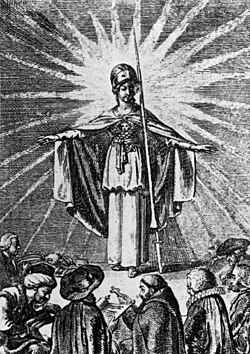
Defining the Scope of Religious Liberty
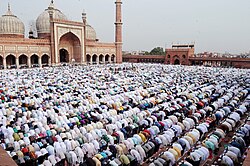
Religious liberty is a broad concept that is often broken down into three distinct but overlapping categories:
- Freedom of Belief: The internal right to believe whatever one wishes, including irreligious perspectives such as atheism, humanism, or existentialism.
- Freedom of Practice: The right to openly and outwardly manifest a belief in a public manner.
- Freedom of Worship: A term often used interchangeably with belief and practice, or as a middle ground between the two.
In countries with an official state religion, religious freedom generally means the government permits other communities to practice their faiths without persecution. Many scholars argue that true religious liberty requires secular liberalism—a framework that separates religious authority from state power—and rejects authoritarian forms of secularism.

Historical Evolution of Religious Tolerance

Early Foundations and Regional Developments
The quest for religious tolerance has appeared across various cultures and eras. In India, early inscriptions from Ashoka highlighted the importance of freedom of worship. In Europe, the Kingdom of Bohemia (modern-day Czech Republic) experienced a period of significant religious freedom between 1436 and 1620 following the Bohemian Reformation, though this ended after the Battle of White Mountain in 1620.
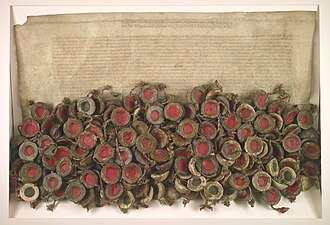
Other early legal milestones include the 1568 Act of Religious Tolerance and Freedom of Conscience in the Principality of Transylvania and the 1573 Warsaw Confederation in the Polish–Lithuanian Commonwealth, which marked an early step toward religious freedom in Eastern Europe.
Development in the Americas
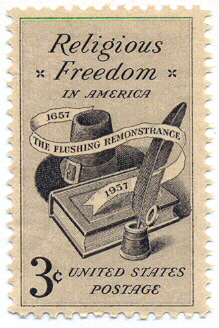
In the United States, religious liberty evolved through various movements, including the 1657 Flushing Remonstrance, which challenged bans on Quaker worship in New Netherland. These early struggles laid the groundwork for the legal protections now found in the constitutions of the U.S. and Canada.
Key Facts
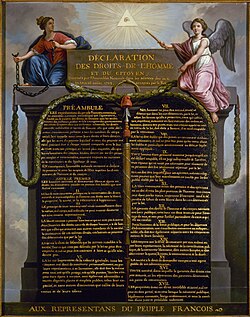
- Universal Right: Protected by the UN Universal Declaration of Human Rights and various regional conventions.
- Inclusive Scope: Covers the right to believe, the right to practice, and the right to change or reject a religion.
- Global Disparity: While most countries have laws protecting religious freedom, only about 25% fully respect these rights in practice.
- Common Restrictions: Many governments require religious groups to register or limit their ability to proselytize (attempt to convert others).
Contemporary Challenges and Restrictions
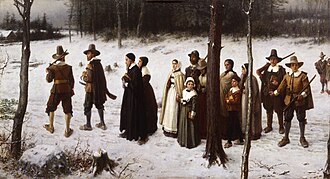
Despite international protections, religious freedom remains under threat in many regions. Contemporary debates often center on the tension between religious practice and secular law, as well as the rights of non-religious people.
Legal and Social Barriers
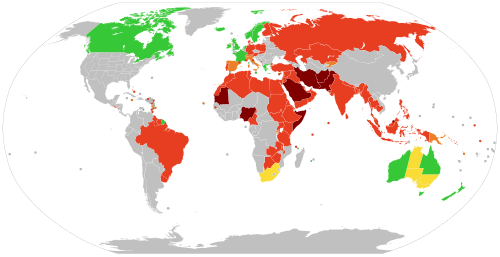
Many jurisdictions maintain blasphemy laws or penalties for apostasy (the act of renouncing a religion). In some Islamic institutions, such as the Fatwa committee at Al-Azhar University, apostasy can carry severe legal consequences.

Global Data on Religious Freedom
Research by the Pew Research Center indicates a complex global landscape. In 2009, nearly 70% of the world's population lived in countries with heavy restrictions on religion. These restrictions stem from both government prohibitions on free speech and social hostilities, including communal violence and terrorism.
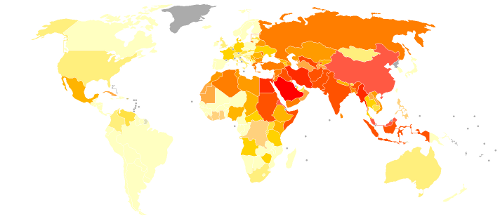
Data shows that in 178 countries, religious groups must register with the government, and in 75 countries, proselytization is limited. Furthermore, a significant portion of countries exhibit social hostilities specifically targeting religious minorities.
Summary of Religious Freedom Concepts
| Concept | Definition | Example |
|---|---|---|
| Freedom of Belief | Internal right to hold any conviction | Atheism, Humanism, Faith |
| Freedom of Practice | External right to manifest belief | Wearing religious attire, public prayer |
| Freedom from Religion | Right not to be compelled to believe | Opting out of state-mandated worship |
| Proselytism | Right to attempt to convert others | Missionary work, sharing faith |
Frequently Asked Questions
![Apostasy penalties in 2020 by country[81]](/images/0c/e5/0ce547bf3cfee16f4c01ea5e3635fc98b7594b96cc18a6005e033259d0f455fb.webp)
What is the difference between freedom of belief and freedom of practice?
Freedom of belief is the internal right to hold any opinion or faith, which is generally absolute. Freedom of practice is the right to express that belief through outward actions, which may be subject to certain legal restrictions regarding public order.
Does freedom of religion include the right to be an atheist?
Yes. Freedom of religion or belief (FoRB) explicitly includes the right not to profess any religion, encompassing atheism, humanism, and other forms of non-belief.
What is apostasy and why is it a concern for religious liberty?
Apostasy is the act of renouncing or changing one's religion. It is a concern because some countries and religious institutions impose severe legal penalties, including imprisonment or death, on those who leave their faith.
How does a state religion affect religious freedom?
In a country with a state religion, religious freedom is measured by whether the government permits other faiths to exist and practice without persecution or discrimination.
What are the most common restrictions on religious freedom today?
Common restrictions include government requirements for religious groups to register, laws banning proselytization, blasphemy laws, and social hostilities directed at religious minorities.