Folk Costume: A Global Journey Through Traditional Attire and Cultural Identity
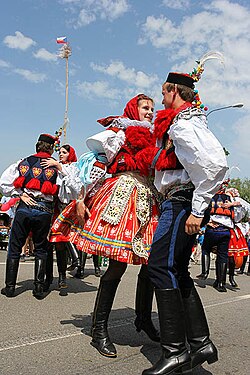
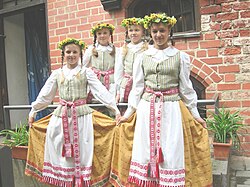
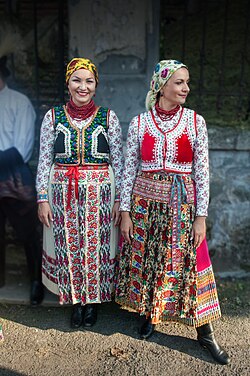
Folk costume, also referred to as traditional attire, ethnic dress, or regalia, serves as a powerful visual expression of an ethnic group, nation, or region. More than just clothing, these garments embody cultural, religious, and national identities. Folk attire encompasses a broad spectrum of wear, ranging from everyday garments to formal regalia, often operating outside the conventions of Western dress codes.
Depending on the context, these garments may be categorized as ethnic clothing when attributed to a specific ethnic group, or national and regional costumes when tied to a geographic location. Some of these styles carry official designations, while others evolve organically through community tradition.
Key Facts
- Folk costumes express cultural, national, and religious identity.
- They include both daily wear and formal ceremonial regalia.
- Many regions have specific official national costumes, while others rely on regional variations.
- Traditional attire often utilizes locally sourced materials, such as wool in Wales or natural fibers in Finland.
- Modern movements, such as the Hanfu movement in China, seek to revive historical dress styles.
Traditional Attire Across the Americas
In the Caribbean, traditional dress often blends historical influences. In Puerto Rico, men typically wear the guayabera (a pleated shirt) and panama hats, while women wear the enagua.
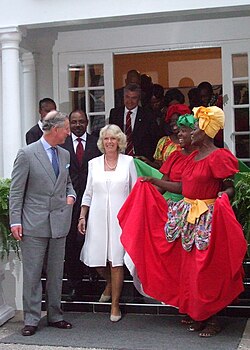
Central American attire is deeply rooted in indigenous heritage. In Guatemala, Mayan folk clothing remains prominent, and in Panama, the pollera for women and montuno for men are staples of traditional dress. Guna women are specifically known for wearing the mola, a vibrant textile art form.
Mexico features diverse regional styles, such as the tehuana of Oaxaca, often worn by dancers.
In North America, Canada's national identity is partially represented by the Hudson's Bay point blanket coat, introduced in 1922 as a blend of the mackinaw jacket and capote. In Greenland, the anorak is a primary element of traditional attire.
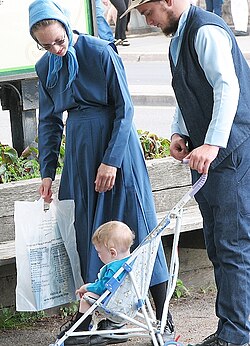
The United States showcases a variety of cultural dress, from the plain dress of the Amish in Pennsylvania, Ohio, and Indiana, to the 19th-century pioneer clothing worn by Mormons in Utah for historical events. Additionally, summer residents of Nantucket are known for wearing "Nantucket Reds."
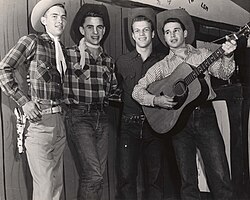
South American traditions are equally varied. In Argentina and Uruguay, the gaucho costume is the definitive folk attire. Ecuadorians often wear the poncho and panama hat, while in Paraguay, the ao po'i is traditional. Suriname features the kotomisse and pangi cloth.
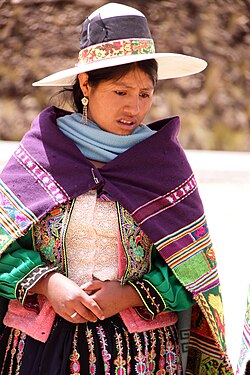
Asian and Middle Eastern Traditions
In the Sinosphere, China has seen a resurgence of hanfu—historical clothing from before the Manchu Qing dynasty—particularly among youth. This includes styles such as the shenyi or ruqun.
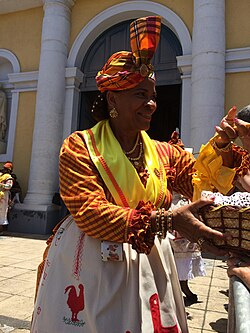
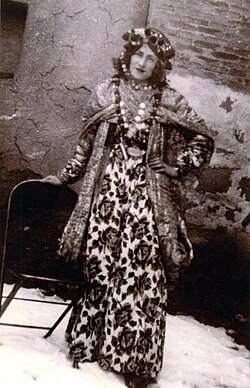
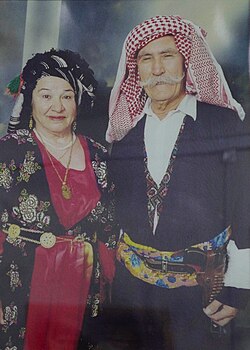
The Middle East and Central Asia possess rich textile traditions. In Iraq, attire includes the chador, Hashimi dress, and Kurdish clothing. Kurdish traditions are distinct, with specific costumes for both men and women.
Across the Indian Subcontinent, the sari remains a cornerstone of traditional dress, with specific handloom variations found in Bangladesh.
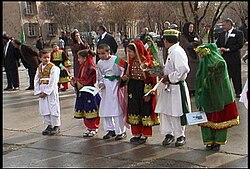
European Folk Heritage
European traditional dress is often highly regional. In the Netherlands, while daily use has declined, traditional dress is still worn in Staphorst, Volendam, and Marken. The klompen (wooden shoes) and the woman's bonnet are globally recognized symbols of Dutch attire.
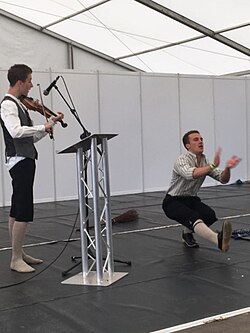
The British Isles maintain strong regional traditions. In England, folk costumes are primarily preserved through dance, such as the Cotswold Morris costumes (white shirts, bells, and sashes) and the North West morris costumes (velvet waistcoats and elaborate hats). In the North East, the rapper dance costume derives from 19th-century coal miner workwear, featuring hoggers (loose short trousers).
Wales is known for its Traditional Welsh costume, featuring a prominent Welsh hat and shawls for women, and red flannel shirts and breeches for men. These are frequently worn during Eisteddfodau and Saint David's Day.
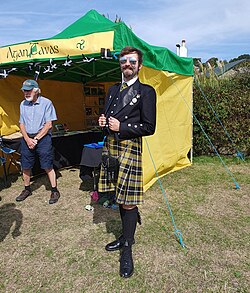
In Nordic countries, Sweden uses the Sverigedräkten as an official national costume since 1983, though provincial folkdräkt vary. Finland has over 400 recorded kansallispuku designs, which are hand-sewn masterpieces made from natural materials.
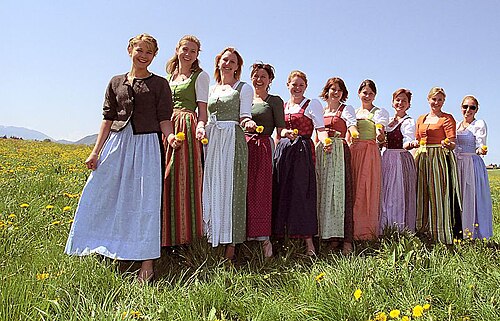
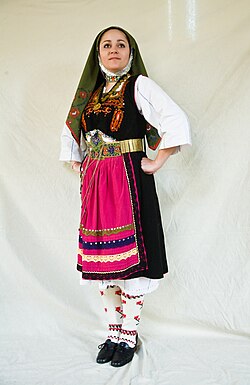
Southern Europe also maintains distinct styles. Spain's autonomous regions have their own costumes, such as the traje de flamenca in Andalusia and the beret in the Basque Country. Romania is represented by its own national costume, and Malta once widely used the għonnella (or faldetta).
African and Oceanian Attire
Africa's traditional clothing is vast and diverse. In Tunisia, the safasir is common. In Botswana, the ieteisi and tshega are worn, while Burundi utilizes the imvutano and the Seychelles use the kanmtole.
In Oceania, the Māori of New Zealand are known for the korowai (cloak) and piupiu. In Vanuatu, the Aelan dress and lap-lap are traditional. Polynesia features diverse styles, including the muumuu in Hawaii and the taʻovala and tupenu in Tonga.
| Region/Country | Traditional Garment | Key Feature/Context |
|---|---|---|
| China | Hanfu | Pre-Qing dynasty historical styles |
| Wales | Welsh Hat & Red Flannel | Cultural icons used in Eisteddfodau |
| Panama | Pollera / Montuno | Gender-specific national attire |
| Netherlands | Klompen | Traditional wooden shoes |
| Finland | Kansallispuku | Over 400 regional hand-sewn designs |
| New Zealand | Korowai | Māori traditional cloak |
| Puerto Rico | Guayabera | Traditional men's pleated shirt |
Frequently Asked Questions
What is the difference between a national costume and an ethnic dress?
A national costume is typically attributed to a specific country or nation and may have an official designation. Ethnic dress refers to clothing associated with a specific ethnic group, which may span across multiple national borders.
Is folk costume only for special occasions?
No. While many folk costumes are now used for formal events, festivals, or performances, folk attire historically includes both everyday wear and formal regalia.
What is the Hanfu movement?
The Hanfu movement is a 21st-century revival in China, primarily among youth, aimed at bringing back the historical clothing styles worn before the Manchu Qing dynasty, such as the shenyi and ruqun.
How are Finnish national costumes produced?
Finnish kansallispuku are traditionally hand-sewn from natural materials. They are regarded as handicraft masterpieces designed to last for decades.
What are some examples of traditional workwear that became folk costumes?
Examples include the English rapper dance costume, which is derived from 19th-century Northumberland and Durham coal miner workwear, and the Welsh folk costume, which evolved from 18th-century working-class garments.