Fiscal Conservatism in the United States: Principles, History, and Economic Impact
In the landscape of American political theory, fiscal conservatism represents a distinct economic philosophy centered on fiscal responsibility and disciplined management of public finances. Rooted in the principles of capitalism, individualism, and laissez-faire economics—an ideology advocating for minimal government interference in the economy—fiscal conservatives seek to limit the scope of the state to promote private enterprise and individual liberty.
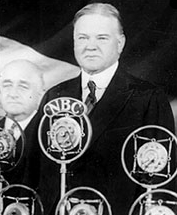
The movement's modern identity was forged during the 1930s. As the New Deal introduced expanded regulatory policies and a growing welfare state, many proponents of classical liberalism (a philosophy supporting both civil and economic liberties) began identifying as conservatives to distinguish themselves from the emerging brand of American liberalism.
Key Facts
- Core Pillars: Advocates focus on tax cuts, reduced government spending, deregulation, privatization, and free trade.
- Ideological Roots: The movement shares philosophical foundations with classical liberalism and often overlaps with libertarianism.
- Public Opinion: As of 2020, approximately 39% of Americans identified as "economically conservative."
- Economic Debate: A major faction supports supply-side economics, arguing that tax cuts stimulate growth and eventually increase government revenue.
- Historical Trend: While often associated with the Republican Party, research suggests budget deficits have historically been smaller under Democratic administrations.
Core Principles and Economic Factions
Fiscal conservatism is not a monolith; it contains various subgroups with differing priorities. While many emphasize the reduction of government debt and spending, another significant faction prioritizes tax cuts as the primary engine for prosperity.
Supply-Side Economics
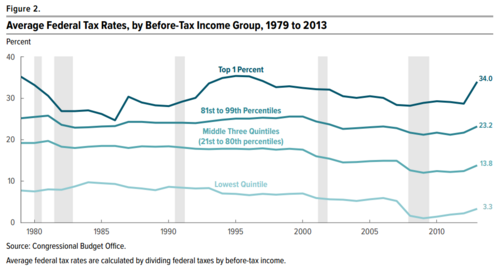
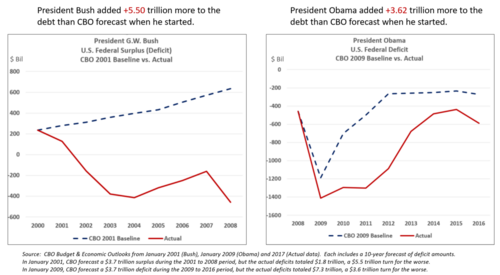
Proponents of supply-side economics argue that high taxation discourages investment and economic activity. They contend that lowering taxes incentivizes growth, which in turn generates higher tax revenues, potentially reducing long-term debt. However, the Congressional Budget Office (CBO) has consistently reported that income tax cuts often increase deficits and debt rather than paying for themselves. For instance, the CBO estimated that the Bush tax cuts added approximately $1.5 trillion to deficits and debt between 2002 and 2011.
Historical Evolution of Fiscal Policy
The application of fiscal conservative principles has varied significantly across different presidential administrations, leading to complex economic outcomes.
The Reagan Era
During the presidency of Ronald Reagan (1981–1989), fiscal conservatism was a central rhetorical theme. Reagan implemented significant tax reforms, including dropping the top personal income tax bracket from 70% to 28%. While his tenure saw strong real GDP growth and a significant decrease in inflation, it also saw a rise in national debt. By the end of his second term, the total debt reached $2.6 trillion, and the United States transitioned from a creditor nation to a debtor nation.
![Ronald Reagan spent the most of any recent President (Carter to Obama) as measured by annual average percentage of the GDP.[29]](/images/06/d7/06d700166543576f6cd255b713e6cd3f217710675d3f2c37f8187b90c5d8618a.png)
The Clinton Era and the "Third Way"
In contrast to the Reagan years, the administration of Bill Clinton utilized "New Democrat" principles, often referred to as the Third Way. Through the Omnibus Budget Reconciliation Act of 1993, the administration raised taxes on the top 1.2% of earners and corporations while cutting taxes for millions of low-income families and small businesses. Combined with spending reductions, these measures helped create budget surpluses from 1998 to 2001, marking the longest period of sustained economic growth in U.S. history.
Deregulation and the Carter Administration
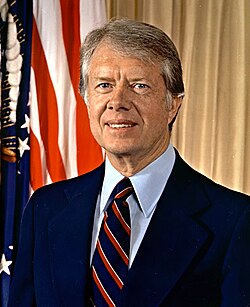
Fiscal conservatism also manifests through deregulation—the reduction of government power in a particular industry. A notable example is the Airline Deregulation Act of 1978, signed by President Jimmy Carter. This act removed government control over airline fares and routes, allowing market forces to dictate the industry, though the Federal Aviation Administration maintained its authority over safety.
Comparative Economic Data
Understanding the impact of different administrations requires looking at how deficits and debt relate to the Gross Domestic Product (GDP), which measures the total value of goods and services produced in a country.
| Era/President | Primary Policy Focus | Key Economic Outcome |
|---|---|---|
| Reagan Era | Tax cuts & Defense spending | Strong GDP growth; increased national debt |
| Clinton Era | Tax increases for top earners & Spending cuts | Budget surpluses (1998–2001) |
| Bush Era | Tax cuts | Increased deficits relative to CBO forecasts |
| Obama Era | Tax increases (via expiration of Bush cuts) | Lowered deficits relative to CBO baselines |
Frequently Asked Questions
What is the difference between fiscal conservatism and libertarianism?
While they overlap, many classical liberals who identify as libertarians hold more culturally liberal views and advocate for a non-interventionist foreign policy, whereas fiscal conservatism focuses specifically on economic policies like lower taxes and reduced spending.
Do tax cuts always pay for themselves?
According to reports from the Congressional Budget Office (CBO), income tax cuts have not historically paid for themselves; instead, they have tended to increase federal deficits and national debt.
How does deregulation affect the economy?
Deregulation, such as the Airline Deregulation Act, aims to remove government control over market entry, routes, and pricing, allowing market forces to determine costs and competition.
Why do some economists argue that Democratic presidents have smaller deficits?
Economists Alan Blinder and Mark Watson reported that since WWII, budget deficits have tended to be smaller under Democratic presidents (2.1% of potential GDP) compared to Republican presidents (2.8% of potential GDP).
What was the "Contract with America"?
Drafted by Newt Gingrich in the 1994 midterm elections, this platform advocated for fiscal responsibility, including balancing the budget, welfare reform, and providing the President with a line-item veto.