Finnic Languages
The Finnic languages represent a complex dialect continuum that evolved from a common ancestor known as Proto-Finnic. This linguistic family is primarily distributed across Northern Europe, spanning regions of Finland, Estonia, and Russia. The relationship between these languages is characterized by a gradual transition of features, creating a network of mutually intelligible or closely related speech varieties.
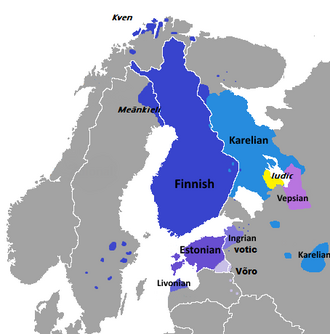
The Structure of the Finnic Family
The Finnic lineage is broadly divided into two primary branches: Inland Finnic and Coastal Finnic. These divisions reflect the historical migration and settlement patterns of the early Finnic peoples.
Inland Finnic
Inland Finnic is most prominently represented by the South Estonian group. This branch includes several distinct varieties, some of which have unfortunately become extinct, such as Kraasna and Ludza. Surviving and historically significant varieties include Seto and Võro, as well as the Mulgi and Tartu dialects.
Coastal Finnic
Coastal Finnic is further subdivided based on geographical proximity to the Baltic Sea, split between the Gulf of Riga and the Gulf of Finland.
- Gulf of Riga Finnic: This group consists of the Livonian language, including its Courland and Salaca varieties. While Livonian is now considered extinct, there have been notable revival attempts.
- Gulf of Finland Finnic: This is a diverse group containing Central Finnic (which includes Estonian) and Northern Finnic (which includes Finnish).
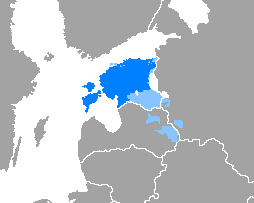
The Estonian and Votic Branches
Within the Gulf of Finland group, Estonian (North Estonian) serves as a primary language. Standard Estonian is based on Central Estonian, though they are not identical. Other Estonian varieties include Insular, Western, and Eastern Estonian, as well as the Northeastern coastal Estonian (Kirderannikumurre), which includes the Alutaguse dialect.
The Votic language is another distinct branch of the Gulf of Finland Finnic group. Currently nearly extinct, it comprises Western Votic and the now-extinct Eastern Votic and Krevinian varieties. The status of the Kukkuzi variety remains uncertain, as it may be extinct.
The Finnish Language and Its Dialects
Finnish (Suomi) is the most widely spoken Finnic language. It is divided between the formal Standard Finnish (Yleiskieli) and the spoken Colloquial Finnish (Puhekieli). The language exhibits a vast array of regional dialects.
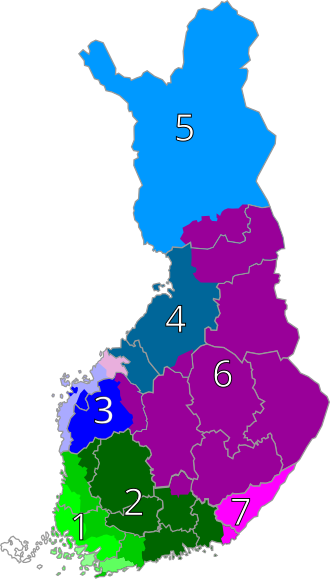
Western and Northern Dialects
Western Finnish includes the Southwestern dialects (Lounaismurteet), Tavastian dialects (Hämäläismurteet), and various regional groups such as the Pori and Somero regions. To the north, the Botnian (Ostrobothnian) dialects are split into Southern, Middle, and Northern groups. The Far-Northern (Peräpohjola) dialects include the Kemi and Kemijärvi varieties, as well as Meänkieli (spoken in Sweden) and the Kven language (spoken in Northern Norway).
Eastern and Southeastern Dialects
Eastern Finnish is dominated by the Savonian dialects (Savolaismurteet), which include Northern, Southern, and Eastern varieties, as well as the Kainuu and Central Finland dialects. Historically, Savonian dialects were also spoken in Värmland, Sweden, by the Forest Finns (Metsäsuomalaiset), though the Värmland Savonian dialect is now extinct. The Southeastern dialects (Kaakkoismurteet) form another distinct group, including the Lemi region.
Other Finnic Languages of Russia
Several Finnic languages are spoken within the borders of Russia, often existing as minority languages.
- Ingrian: This includes the Ižoran language and the Soikkola dialect. Other varieties like Hevaha and Orodezhi are extinct.
- Karelian: Distinct from the Karelian dialects of Finnish, this includes Livvi (Olonets Karelian) and Karelian proper, which is further split into Northern (Viena), Southern, and Tver Karelian.
- Vepsian: This group consists of Veps (divided into Northern/Onega, Central, and Southern) and Ludic (including Northern, Central, and Kuuďärv Ludic).
Key Facts
- Ancestry: All Finnic languages descend from a common ancestor called Proto-Finnic.
- Major Languages: Finnish and Estonian are the most prominent surviving members.
- Extinct Varieties: Many branches, such as Livonian and various South Estonian dialects, are extinct or nearly so.
- Geographic Reach: The family extends from Estonia and Finland into parts of Russia, Sweden (Meänkieli), and Norway (Kven).
- Dialect Continuum: The languages often blend into one another geographically rather than having sharp boundaries.
Summary of Finnic Language Groups
| Major Branch | Sub-Group | Key Languages/Dialects | Status |
|---|---|---|---|
| Inland Finnic | South Estonian | Võro, Seto, Mulgi | Active / Some Extinct |
| Coastal Finnic | Gulf of Riga | Livonian | Extinct (Revival attempts) |
| Coastal Finnic | Gulf of Finland | Finnish, Estonian, Votic | Active / Nearly Extinct |
| Coastal Finnic | Eastern/Russian | Karelian, Vepsian, Ingrian | Active / Minority |
Frequently Asked Questions
What is the difference between Finnish and Karelian?
While there is a dialect continuum between the two, Karelian is a distinct language from Finnish. Karelian includes varieties such as Livvi and Karelian proper (Viena, Southern, and Tver).
What is Meänkieli?
Meänkieli is a variety of Finnish spoken in Sweden, originating from the Tornio and Jällivaara dialect regions.
Is Livonian still spoken?
Livonian is considered extinct, although there have been efforts to revive the language.
What are the two main branches of Finnic languages?
The two primary branches are Inland Finnic (e.g., South Estonian) and Coastal Finnic (e.g., Finnish, Estonian, and Votic).
What is the relationship between Standard Estonian and Central Estonian?
Standard Estonian is based on the Central Estonian dialect, although the two are not identical.