Ferdinand Foch: The Supreme Allied Commander of World War I
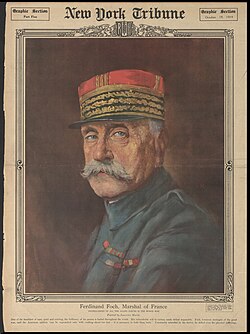
Ferdinand Foch was a towering figure of military strategy and leadership, serving as a French general, Marshal of France, and a distinguished member of both the Académie Française and the Académie des Sciences. He is most renowned for his role as the Supreme Allied Commander on the Western Front during the final year of the First World War, where his ability to coordinate international forces proved decisive in the Allied victory.
From his early days in the artillery to his eventual appointment as the Generalissimo of the Allied armies, Foch's career spanned 53 years of service. He is remembered not only for his strategic triumphs but also for his presence at the signing of the Armistice that ended the Great War.
Key Facts
- Full Name: Ferdinand Foch (1851–1929).
- Highest Rank: Marshal of France, Field Marshal of the United Kingdom, and Marshal of Poland.
- Primary Role: Supreme Allied Commander (March 26, 1918 – January 10, 1920).
- Major Achievement: Coordinated French, British, and American forces to stop the German spring offensive of 1918.
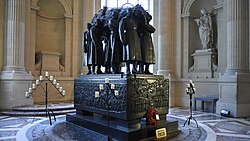
- Final Resting Place: Les Invalides, Paris.
Early Life and Rise to Command
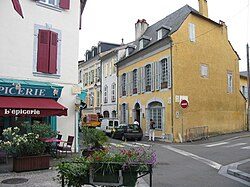
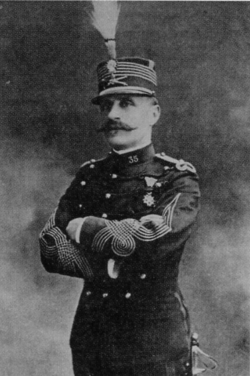
Born on October 2, 1851, in Tarbes, France, Foch was educated at the École polytechnique. His ascent through the military ranks was steady, reaching the rank of Général de Brigade in 1907. During this time, he assumed command of the French War College, a position he held until 1911.
Foch's intellectual contributions to military science were significant. In 1913, he influenced General Joseph Joffre in the drafting of Plan XVII, the French campaign plan. By August 1914, Foch was leading the XX Corps at Nancy, marking the beginning of his active combat leadership in the First World War.
The First World War: From Controversy to Command
The Early Campaigns (1914–1916)
During the early years of the war, Foch commanded the Ninth Army and later the Northern Army Group. He played key roles in the First Battle of the Marne, the Flanders, and the Artois campaigns. While some peers, such as Field Marshal Sir John French, regarded him as the "best general in the world," others were more critical.
Foch faced significant scrutiny for the heavy casualties sustained during the Artois Offensive and the Battle of the Somme. These tactical controversies led to his removal from command by General Joffre in December 1916, after which Foch was sent to the Italian front.
Strategic Influence and the Supreme War Council
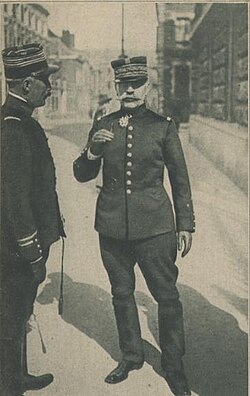
In 1917, Foch's influence expanded beyond the Western Front. He navigated complex diplomatic waters, opposing British Prime Minister David Lloyd George's plan to send large troop contingents to Italy, suggesting instead the deployment of heavy artillery. In November 1917, the Supreme War Council was established to coordinate the efforts of the Western Front powers, with Foch serving as a key military representative.
The Road to Victory (1918)
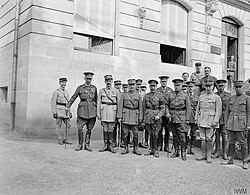
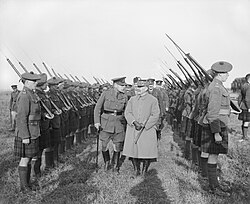
The turning point of Foch's career came in March 1918. In response to the massive German spring offensive, Foch was appointed Supreme Allied Commander. This role required him to unify the strategic efforts of the French, British, and American armies.
Foch successfully managed strategic reserves to halt the German advance and subsequently launched the Hundred Days Offensive. Working closely with Field Marshal Sir Douglas Haig, Foch planned the Grand Offensive starting September 26, 1918, which ultimately broke the German lines. On August 6, 1918, in recognition of his leadership, he was named a Marshal of France.
The Armistice
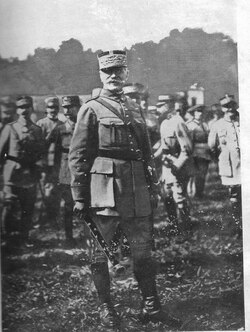
In November 1918, Marshal Foch accepted the German cessation of hostilities. He was a central figure at the Armistice of 11 November 1918. In a gesture that would later be viewed as a symbol of victory, Foch left the railway carriage immediately after the preamble of the armistice was read—an act of perceived humiliation that Adolf Hitler would later mimic in 1940 during France's surrender in World War II.
Post-War Career and Legacy
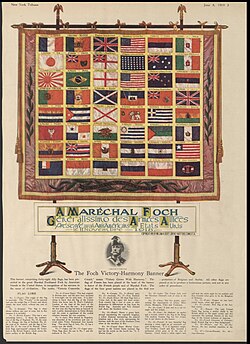
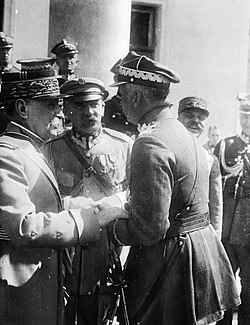
Following the war, Foch's international prestige continued to grow. He was appointed a British Field Marshal in 1919 and a Marshal of Poland in 1923 for his advisory role during the Polish–Soviet War and the Greater Poland Uprising.
Foch retired from the French Army in 1923 after 53 years of service. He passed away on March 20, 1929, and was buried at Les Invalides in Paris, resting alongside Napoleon.
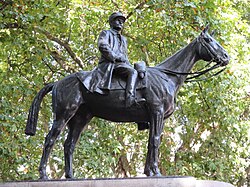
Summary of Military Career
| Year | Rank/Position | Key Event/Command |
|---|---|---|
| 1907 | Général de Brigade | Commandant of the French War College |
| 1913 | Commander, XX Corps | Drafted Plan XVII |
| 1914-1916 | Commander, Army Group North | Battle of the Somme and Artois Offensive |
| 1918 | Supreme Allied Commander | Hundred Days Offensive; Armistice of 1918 |
| 1918 | Marshal of France | Promoted August 6, 1918 |
| 1923 | Marshal of Poland | Advisor during Polish-Soviet War |
Frequently Asked Questions
Why was Ferdinand Foch appointed Supreme Allied Commander?
Foch was appointed in March 1918 to provide unified leadership and coordination among the French, British, and American forces in the face of the all-out German spring offensive.
What was Foch's role in the end of World War I?
Foch coordinated the war-winning counterattacks of 1918 and accepted the German cessation of hostilities, attending the signing of the Armistice on November 11, 1918.
Was Foch always well-regarded by his peers?
No. While some, like Sir John French, praised him as the best general in the world, others, such as William Robertson, viewed him as overly talkative or academic. He was also criticized for heavy casualties during the Somme and Artois campaigns.
What honors did Foch receive outside of France?
Foch was awarded the rank of Field Marshal of the United Kingdom in 1919 and Marshal of Poland in 1923.
Where is Ferdinand Foch buried?
He is buried at Les Invalides in Paris, France, in a monumental tomb sculpted by Paul Landowski.