The Evolution of Facebook: From Dorm Room Project to Global Social Giant
What began as a niche social networking experiment in a Harvard dorm room has transformed into one of the most influential digital platforms in human history. Facebook, now owned by Meta Platforms, has redefined how billions of people communicate, consume news, and interact with the world. From its technical foundations to the complex societal debates it sparks, the story of Facebook is a central chapter in the history of the internet.
Key Facts

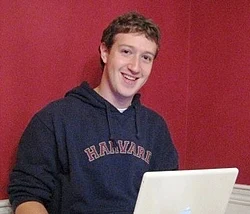
- Founded: February 4, 2004, in Cambridge, Massachusetts.
- Founders: Mark Zuckerberg, Dustin Moskovitz, Chris Hughes, Andrew McCollum, and Eduardo Saverin.
- Monthly Active Users: Approximately 3.07 billion (as of March 6, 2026).
- Languages Supported: 112 languages.
- Parent Company: Meta Platforms.
The Origins and Growth of a Social Network

Facebook was launched in early 2004, quickly expanding from a college-focused directory to a worldwide service. Over the decades, the platform has undergone numerous visual and functional transformations. Early iterations, such as "Thefacebook," featured distinct profiles that laid the groundwork for the modern social media experience.
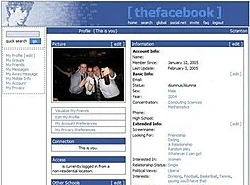
The platform's identity has evolved alongside its technology. The original logo served users for over a decade before being updated, reflecting the company's shift toward a more streamlined digital presence. Today, the service is accessible globally, though it remains subject to various national blocks in certain countries.

As the user base grew into the billions, the interface became more sophisticated, moving from simple text-based interactions to a complex ecosystem of media, messaging, and real-time updates.
Core Features and Technical Infrastructure
To support billions of users, Facebook relies on a massive technical architecture. The platform is written using programming languages such as C++, PHP, and Hack (a specialized language developed by the company via the HHVM, or HipHop Virtual Machine). To ensure fast loading times globally, the company utilizes a Content Delivery Network (CDN), which caches data closer to the user's physical location.
User Interaction Tools
The platform's engagement is driven by several key features that have become industry standards:
- News Feed: A constantly updating list of stories and updates from friends and pages.
- The "Like" Button: A simple way for users to react to content, which has since expanded to include various emotional reactions.
- User Profiles and Timelines: Personalized spaces that act as a digital history of a user's social activity.
- Instant Messaging: Integrated communication tools that allow for real-time text and video calls.

Security and Bug Bounties
Maintaining security for billions of accounts is a monumental task. Facebook employs a Bug Bounty Program, which incentivizes independent security researchers to find and report vulnerabilities. To recognize these contributors, the company has previously issued specialized "White Hat" rewards.

Societal Impact and Controversies

As Facebook's influence grew, so did the scrutiny regarding its impact on privacy, politics, and mental health. The platform has been at the center of several major global events and debates.
Privacy and Data Management
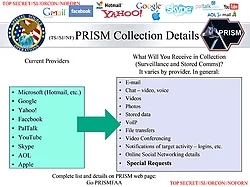
One of the most significant challenges has been the management of user data. High-profile incidents, such as the Cambridge Analytica scandal, raised urgent questions about how third parties access and use personal information. Additionally, concerns regarding "shadow profiles"—data collected on individuals who may not even have accounts—and the collection of mobile device activity have fueled ongoing privacy debates.
Political Influence and Content Moderation
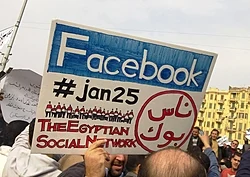
Facebook has played a dual role in global politics. While it has been used as a tool for mobilization during movements like the Egyptian protests, it has also faced criticism for being a conduit for misinformation, hate speech, and coordinated inauthentic behavior (the use of fake accounts to manipulate public opinion). Issues ranging from Russian interference in elections to propaganda in regions like Myanmar have forced the company to implement stricter content moderation policies.
Global Access and Censorship
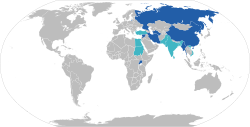
The platform's availability is not universal. Various governments have implemented blocks on Facebook to control the flow of information within their borders. This tension between global connectivity and national sovereignty is a recurring theme in the platform's history.

Platform Summary
| Category | Details |
|---|---|
| Owner | Meta Platforms |
| Primary Languages | C++, Hack, PHP |
| Monthly Users | 3.07 Billion |
| Key Features | News Feed, Like Button, Messenger, Timelines |
| Global Reach | Available in 112 languages |
Frequently Asked Questions
Who founded Facebook?
Facebook was founded by Mark Zuckerberg, Dustin Moskovitz, Chris Hughes, Andrew McCollum, and Eduardo Saverin.
What is Meta Platforms?
Meta Platforms is the parent company that owns Facebook and other services, representing the evolution of the original Facebook, Inc.
How many people use Facebook?
As of March 2026, Facebook has approximately 3.07 billion monthly active users.
What programming languages does Facebook use?
The platform is built using C++, PHP, and Hack (which runs on the HHVM).
Is Facebook available in every country?
No. While it is available worldwide in 112 languages, some countries currently block or have previously blocked access to the service.