European Convention on Nationality
The European Convention on Nationality (E.T.S. No. 166) is a comprehensive legal instrument developed by the Council of Europe to standardize and humanize the laws governing nationality. Signed in Strasbourg on November 6, 1997, the convention establishes a framework to protect individuals from arbitrary loss of citizenship and ensures fair processes for acquiring nationality.
The convention is open to member states of the Council of Europe, as well as non-member states that participated in its creation or those seeking accession. It officially entered into force on March 1, 2000, after meeting the requirement of three ratifications. As of 2021, 29 countries have signed the treaty, with 21 of those having ratified it.
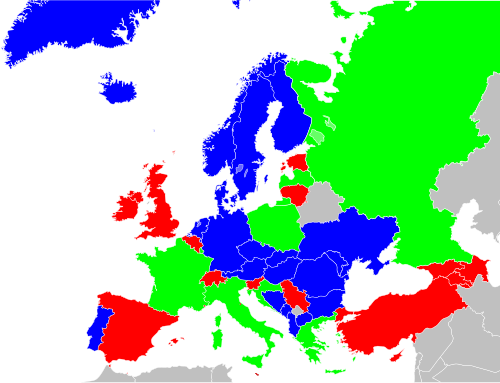
Key Facts
- Signed: November 6, 1997, in Strasbourg.
- Effective Date: March 1, 2000.
- Citation: ETS 166.
- Participation: 29 signatories and 21 ratifications (as of 2021).
- Core Purpose: To regulate the acquisition, loss, and renunciation of nationality while preventing discrimination.
Core Provisions of the Convention
Marriage and Nationality
Under Article 4(d), the convention mandates that neither the marriage nor the dissolution of a marriage should automatically change a person's nationality. Furthermore, if one spouse changes their nationality during a marriage, it cannot automatically affect the nationality of the other spouse.
This provision addresses historical legal practices from the early 20th century, where women often automatically acquired their husband's nationality and lost their own upon marriage. Such automatic changes created significant legal hurdles, including the loss of original nationality, the inability to receive consular assistance (as states generally do not provide such aid to their own nationals residing under their jurisdiction), and unexpected military service obligations.
Non-Discrimination Standards
Article 5 prohibits discrimination within a state's internal nationality laws based on sex, religion, race, colour, or national or ethnic origin. Additionally, states are forbidden from discriminating between nationals based on whether their citizenship was acquired by birth or through subsequent legal processes.
Acquisition of Nationality
Article 6 outlines the pathways to obtaining nationality, focusing on three primary methods:
- By Descent: Nationality may be acquired at birth from either parent for those born within the state's territory (though states may limit this for children born abroad).
- By Birth (Jus Soli): Nationality can be granted by virtue of being born in the state's territory, though states may restrict this to children who would otherwise be stateless.
- Naturalisation: The process of legally acquiring nationality after meeting specific criteria. The convention stipulates that the required period of lawful and habitual residence for eligibility cannot exceed ten years.
The convention also requires states to facilitate nationality acquisition for specific groups, including refugees, stateless persons, spouses of nationals, adopted children, and those who were lawfully resident before the age of eighteen.
Loss and Renunciation of Nationality
The convention strictly regulates how a person can lose their nationality to prevent statelessness.
Involuntary Loss: Article 7 limits the deprivation of nationality to specific cases: voluntary acquisition of another nationality, fraud during the acquisition process, voluntary service in a foreign military, adoption by foreign nationals, or conduct that is seriously prejudicial to the state's vital interests. It also allows for the loss of nationality for those habitually residing abroad.
Voluntary Renunciation: Article 8 grants individuals the right to renounce their nationality, provided that doing so does not leave them stateless. States may, however, place restrictions on this right for nationals living abroad.
Convention Summary
| Feature | Details |
|---|---|
| Signing Date | November 6, 1997 |
| Effective Date | March 1, 2000 |
| Max Residence for Naturalisation | 10 Years |
| Prohibited Discrimination | Sex, religion, race, colour, national/ethnic origin |
| Key Protection | Prevention of automatic nationality change via marriage |
Frequently Asked Questions
Does marriage automatically change my nationality under this convention?
No. Article 4(d) specifically states that neither marriage nor the dissolution of marriage shall automatically affect the nationality of either spouse.
What is the maximum residence requirement for naturalisation?
According to Article 6, the period of lawful and habitual residence required for naturalisation eligibility cannot be more than ten years.
Can a state deprive a person of their nationality?
Yes, but only under specific conditions outlined in Article 7, such as fraud, voluntary service in a foreign military, or conduct seriously prejudicial to the state's vital interests.
Can a person voluntarily give up their nationality?
Yes, Article 8 provides the right to renounce nationality, as long as the person does not become stateless as a result.
Who is eligible for facilitated acquisition of nationality?
Facilitation is required for spouses of nationals, children of nationals born abroad, adopted children, stateless persons, refugees, and those lawfully resident before age eighteen.