Essay Writing: History, Forms, and Evolution of the Genre
At its core, an essay is a piece of writing that presents the author's own argument. However, the definition is intentionally fluid, often overlapping with other forms such as letters, articles, pamphlets, and short stories. While most modern essays are written in prose, the form has historically included works in verse, such as Alexander Pope's An Essay on Criticism.
Essays are generally categorized into two styles: formal and informal. Formal essays are defined by their logical organization, dignity, and serious purpose. In contrast, informal essays emphasize the personal element, utilizing humor, a rambling structure, and self-revelation to explore individual tastes and experiences.

Key Facts
- The word "essay" comes from the French essayer, meaning "to try" or "to attempt."
- Michel de Montaigne is credited as the first author to describe his writings as essays.
- The genre extends beyond text into film essays and photographic essays.
- Academic essays (papers) typically prioritize factual, logical presentation over personal voice.
- Japan developed a similar genre called zuihitsu centuries before the European essay.
The Origins and Evolution of the Essay
The Influence of Montaigne
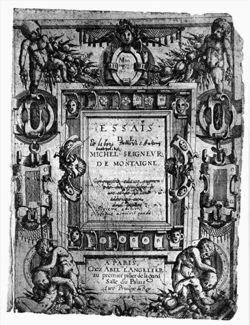
The modern essay began with the Frenchman Michel de Montaigne (1533–1592). Inspired by the works of Plutarch, Montaigne began composing his "attempts" in 1572. He used the term to describe his efforts to put his thoughts into writing. His first edition, Essais, was published in 1580, and his body of over 100 works is widely regarded as the predecessor of the modern form.
Expansion Across Europe
Following Montaigne, Francis Bacon published essays in English starting in 1597. By 1609, the term "essayist" entered the English language. During the Age of Enlightenment, the essay became a vital tool for polemicists and a staple of periodical literature. Figures like Joseph Addison, Richard Steele, and Samuel Johnson used journals such as the Tatler to reach a wider audience, leading the term "essay" to become nearly synonymous with "article."
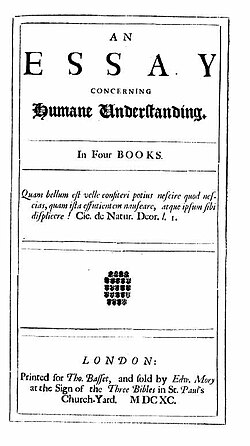
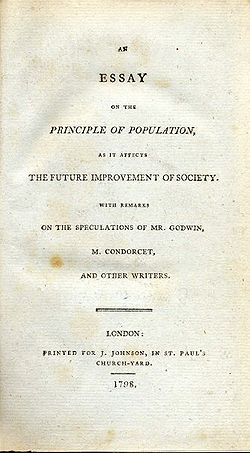
While brevity usually defines the genre, some voluminous works adopted the name to signal the tentative nature of their inquiry, such as John Locke's An Essay Concerning Human Understanding and Thomas Malthus's An Essay on the Principle of Population.
Global Perspectives: Japan and China
Long before the European tradition, Japan developed zuihitsu—loosely connected essays and fragmented ideas. Notable examples include Sei Shōnagon's The Pillow Book (c. 1000) and Yoshida Kenkō's Tsurezuregusa (1330). Unlike in Europe, women in Japan traditionally played a significant role in writing this genre.
In Imperial China, the eight-legged essay (bāgǔwén) served a strictly functional purpose. Used in civil service examinations during the Ming and Qing dynasties, these essays tested a candidate's knowledge of Confucian thought and logic. Because they demanded strict adherence to standards over creativity, some historians argue this rigid form contributed to cultural stagnation in the 19th century.
Diverse Forms and Modern Applications
Academic and Literary Styles
In academic settings, essays (often called papers) are more formal than literary essays. They typically follow a logical, factual structure and often discourage the use of first-person pronouns. Longer academic works may include a literature review—a summary analysis of existing research on the topic.
Beyond the Written Word
The concept of the essay has evolved into other media. A film essay blends documentary styles with a focus on the evolution of a theme, often featuring a guiding narrator. This hybrid genre, which sits between fiction and documentary, has been utilized by filmmakers such as Chris Marker, Michael Moore, and Orson Welles.
Similarly, a photographic essay uses a linked series of images, sometimes accompanied by captions, to cover a specific topic.

Summary of Essay Types
| Category | Primary Characteristic | Common Example/Context |
|---|---|---|
| Formal | Logical organization, serious purpose | Academic papers, learned arguments |
| Informal | Personal, humorous, rambling | Personal reflections, daily observations |
| Zuihitsu | Fragmented ideas, loosely connected | The Pillow Book (Japan) |
| Eight-Legged | Strictly standardized, non-creative | Imperial Chinese civil service exams |
| Film Essay | Hybrid of documentary and fiction | Thematic cinematic explorations |
Frequently Asked Questions
What is the difference between a formal and informal essay?
Formal essays are characterized by a serious purpose, logical organization, and a dignified tone. Informal essays are more personal, often featuring humor, a rambling structure, and the author's individual experiences.
Who invented the essay?
Michel de Montaigne is credited as the first author to describe his work as "essays" (from the French essayer, meaning "to try"), viewing them as attempts to put his thoughts into writing.
What is an eight-legged essay?
The eight-legged essay was a highly structured style of writing used in the imperial examinations of China's Ming and Qing dynasties to test knowledge of Confucianism and logic.
Can an essay be a movie?
Yes, a film essay is a genre that blends documentary and fiction, typically focusing on the evolution of a theme or idea and often incorporating a personal narrative voice.
Is a research paper the same as an essay?
In many academic contexts, they are used interchangeably. However, academic essays (papers) are generally more formal, rely heavily on factual evidence, and often include a literature review.