Emperor Penguin: The Giant of the Antarctic Ice
The emperor penguin (Aptenodytes forsteri) is a marvel of biological adaptation, standing as the tallest and heaviest of all living penguin species. Found exclusively in the frozen landscapes of Antarctica, these birds have evolved to survive some of the harshest conditions on Earth, from sub-zero temperatures to the crushing pressures of the deep ocean.
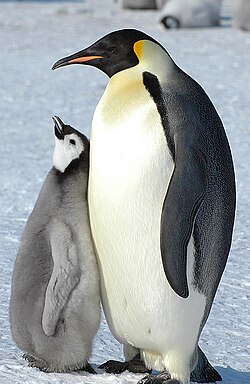
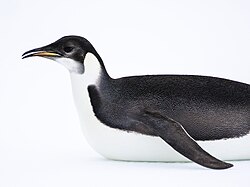
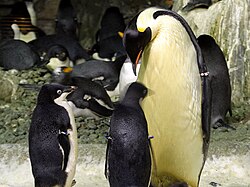
Physically, adults are striking in their appearance. They reach up to 100 cm (39 in) in length and weigh between 22 and 45 kg (49 to 99 lb). Their plumage is characterized by a black head and back that contrasts sharply with a white belly, a pale-yellow breast, and vibrant yellow patches on their ears.
Key Facts
- Status: Declared Endangered by the IUCN in April 2026.
- Habitat: Exclusive to Antarctica.
- Size: Up to 100 cm in length; 22–45 kg in weight.
- Breeding: The only penguin species to breed during the Antarctic winter.
- Lifespan: Typically 20 years in the wild, with some reaching 50.
- Primary Threat: Loss of sea ice due to rapid climate change.
Life Cycle and Breeding Habits
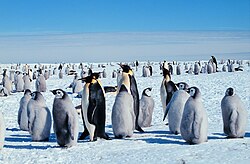
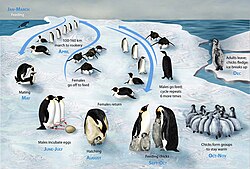
The breeding cycle of the emperor penguin is one of the most grueling in the animal kingdom. To reach their breeding colonies, which can house several thousand individuals, penguins trek between 50 and 120 km (31–75 mi) across the ice.
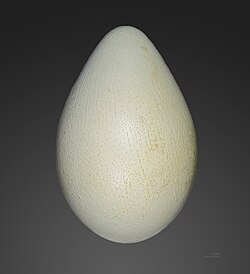
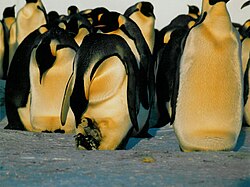
In May or early June, the female lays a single, avocado-shaped egg measuring approximately 12 cm × 8 cm. This egg is remarkably small relative to the mother's size, representing only 2.3% of her body weight. To protect the embryo from the freezing cold, the male takes over incubation for just over two months while the female returns to the sea to feed.
Once the chick hatches, the parents alternate trips to the ocean to forage for food, returning to the colony to feed their offspring. This cooperative effort is essential for the chick's survival, though the odds are steep: only 19% of chicks survive their first year of life.
Growth and Maturity
As the chicks grow, they transition through various stages of plumage before reaching adulthood. While the average adult survival rate is high at 95.1%, the high juvenile mortality rate means that 80% of the total population consists of adults aged five years and older.
Foraging and Survival
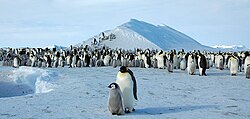
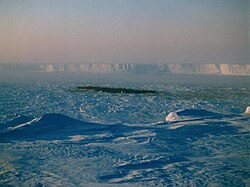
Emperor penguins are powerful swimmers and divers. They forage for food up to 500 km (310 mi) from their colonies, with individual trips covering between 82 and 1,454 km (51–903 mi). When returning from the sea, males often head toward polynyas—areas of permanent open water—located roughly 100 km (62 mi) from the colony.
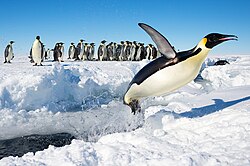
Their diet relies heavily on krill, a small crustacean that serves as a primary food source. However, the availability of krill is closely tied to the presence of sea ice, making the penguins highly vulnerable to environmental shifts.
Conservation Status and Climate Threats
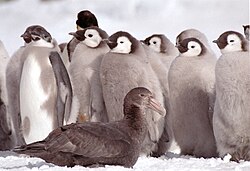
In April 2026, the International Union for Conservation of Nature (IUCN) officially listed the emperor penguin as an endangered species. The primary driver of this decline is the rapid loss and break-up of sea ice caused by greenhouse gas emissions and climate change.
Satellite data from 2009 to 2018 revealed a population loss of approximately 10%, representing over 20,000 adults. Scientific models suggest a grim future: there is a 45% probability that the population will decline by more than 50% by the year 2073. Some studies even suggest that by 2100, the majority of colonies could face quasi-extinction due to repeated breeding failures caused by rising temperatures.
| Feature | Detail |
|---|---|
| Scientific Name | Aptenodytes forsteri |
| Maximum Height | 100 cm (39 in) |
| Weight Range | 22–45 kg (49–99 lb) |
| Egg Weight | 460–470 g (16–17 oz) |
| Average Lifespan | ~20 years |
| Conservation Status | Endangered (IUCN) |
Frequently Asked Questions
Why are emperor penguins endangered?
The primary cause is the loss of sea ice due to climate change. Since they rely on sea ice for breeding and the ice supports the krill they eat, the melting habitat leads to breeding failures and population decline.
How do they protect their eggs in the winter?
The male penguin incubates the single egg for over two months during the Antarctic winter, keeping it warm against his body while the female is away foraging at sea.
How long do emperor penguins live?
In the wild, the average life expectancy is approximately 19.9 years, although some individuals have been observed to live up to 50 years.
What is a polynya?
A polynya is an area of permanent open water surrounded by sea ice. Emperor penguins use these areas as access points to the ocean when foraging near their colonies.
What is the survival rate for penguin chicks?
The first year is the most dangerous; only about 19% of hatched chicks survive to adulthood.