Eleusis: From the Sacred Mysteries of Demeter to Modern Industrial Hub
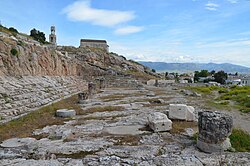
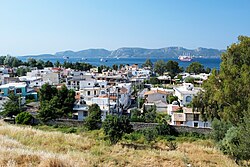
Located on a height near the sea and opposite the island of Salamis, Eleusis (modern Elefsina) stands as one of the most spiritually significant sites of the ancient world. Once a powerful independent state and later a deme of Attica, its fame stems from its role as the chief seat of worship for Demeter and Persephone. The city's strategic position on the road from Athens to the Isthmus of Corinth, combined with its fertile plains, made it a natural center for both agriculture and religion.
The landscape of Eleusis is deeply intertwined with Greek mythology. Local caves are traditionally viewed as the gateway to Tartarus, specifically the spot where Hades abducted Persephone. This mythological connection led to the establishment of the Ploutonion, a sanctuary dedicated to the deities of the underworld.
Key Facts
- The Eleusinian Mysteries: Regarded as the most sacred of all Grecian mysteries, focusing on the hope for life after death.
- The Telesterion: The largest temple in Greece, designed initially by Ictinus, the architect of the Parthenon.
- Political Status: Despite becoming an Attic deme, Eleusis was uniquely permitted to retain the title of polis (city-state) and coin its own money.
- The Sacred Way: The primary route for the annual procession from Athens to Eleusis, used as far back as 1600 BC.
- Modern Identity: Today, Elefsina is a major industrial center and the primary hub for crude oil refining in Greece.
Mythology and the Rise of the Polis
The name Eleusis is believed to derive from the advent (eleusis) of Demeter, though some traditions attribute it to an eponymous hero. In its earliest days, it was one of twelve independent states in Attica. Early history records a "theological war" between Athens, dedicated to Athena, and Eleusis, dedicated to Poseidon. This conflict ended with the defeat of the Eleusinians, who acknowledged Athenian supremacy while retaining control over the celebration of their sacred mysteries.
The Eleusinian Mysteries
The Eleusinian Mysteries, or the Mysteries of Demeter and Kore, became globally popular by 600 BC and remained influential until the late 4th century AD. These secret rites were based on the myth of Demeter's search for her daughter, Persephone (Kore), who had been abducted by Hades. The rituals offered initiates the promise of a better afterlife, symbolized during the ceremony by the showing of a stalk of grain, the seed of life.
The myth also details Demeter's time in Eleusis, where she disguised herself as an old woman and nursed the son of King Keleos, Demophoon. After an insult from Queen Metaneira, Demeter revealed her divine glory and commanded the construction of a rich shrine in her honor.
The Great Eleusinian Relief
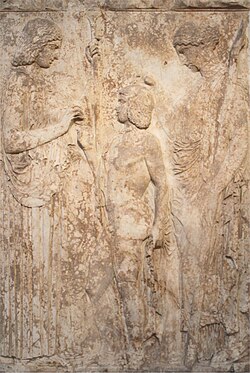
Dating to 440-430 BC, the Great Eleusinian relief is the most significant votive work found at the sanctuary. It depicts Demeter offering ears of wheat to Triptolemos—the son of King Keleos—to bestow agriculture upon mankind, while Persephone blesses the scene with a torch in hand.
Classical and Roman Influence
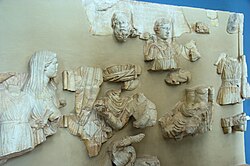
The city faced various hardships, including the burning of the temple of Demeter by Persians in 484 BC and periodic flooding from the river Cephissus. However, under the Roman Empire, Eleusis experienced a golden age as initiation into the Mysteries became a fashion among the Roman nobility.
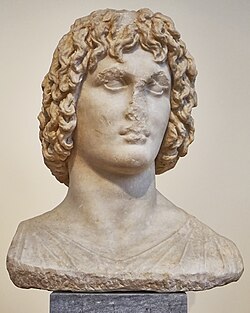
Emperor Hadrian, initiated around 125 AD, contributed significantly to the city's infrastructure by raising embankments to prevent flooding. Around 160 AD, an aqueduct fed by springs from Mount Parnitha was completed, providing drinking water and enabling the creation of public baths and fountains.
Architectural Legacy
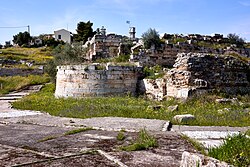
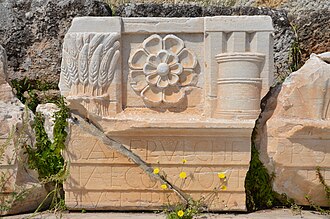
The Telesterion was a marvel of ancient architecture, described by Strabo as being as large as a theatre. While Ictinus began the design, it took many years and several architects to complete. A portico of 12 columns was added around 318 BC by the architect Philo.
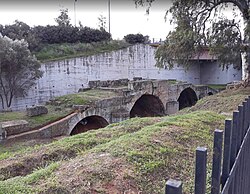
Another engineering highlight is the Roman bridge, which carried the Sacred Way over the Kephissus river. This well-preserved structure features a 30-meter main bridge with four arches and sloping access ramps.
From Medieval Decline to Modern Industry
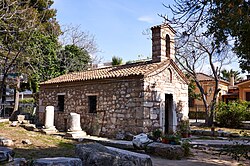
Following its destruction by Alaric I in 396 AD, Eleusis faded from historical prominence. By the Byzantine and Ottoman eras, it was described as a small, sparsely populated village settled by Arvanites. It was not until after the Greek War of Independence in 1829 that the settlement began to grow again.
The late 19th century saw a drastic transformation as Eleusis became an industrial powerhouse. Factories such as TITAN concrete and the Kronos distillery were established. The population grew further after 1922 with the arrival of Greek families from Asia Minor, who founded Upper Elefsina.
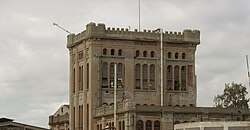
In the 20th century, the city played a role in World War II; the Elefsina Airfield was used by the RAF, including Squadron 80 where author Roald Dahl served. Today, while struggling with the legacy of industrial pollution, the city is a vital suburb of Athens, home to the Elefsis Shipyards and the annual Aeschylia Festival.
| Era | Key Characteristic | Major Landmark/Event |
|---|---|---|
| Ancient/Classical | Religious Center | Eleusinian Mysteries & Telesterion |
| Roman | Prosperity & Infrastructure | Hadrian's Aqueduct & Roman Bridge |
| Medieval/Ottoman | Decline & Rural Settlement | Arvanite settlement |
| Modern | Industrialization | Oil Refineries & Elefsis Shipyards |
Frequently Asked Questions
What were the Eleusinian Mysteries?
They were secret religious rites dedicated to Demeter and Persephone that promised initiates a hope for a better life after death, centered on the myth of the abduction of Persephone and the gift of agriculture.
Who was the architect of the Telesterion?
The building was initially designed by Ictinus, the same architect responsible for the Parthenon in Athens, though it was completed over many years by various other architects.
Why was Eleusis allowed to coin its own money?
Because of its immense sacred character and importance as the site of the Mysteries, Eleusis was granted the unique privilege of retaining the title of polis and minting its own currency, a right otherwise reserved for Athens in Attica.
What is the significance of the Sacred Way?
The Sacred Way was the ceremonial road connecting Athens to Eleusis, used for the annual procession of the Great Mysteries and lined with burial monuments reflecting the social power of the era.
What is the modern economic role of Elefsina?
Modern Elefsina is a major industrial hub for Greece, serving as the primary location for the import and refining of crude oil and housing the Elefsis Shipyards.